Nature and wildlife A landmark victory for our oceans: the Global Ocean Treaty comes to life The Global Ocean Treaty is finally coming into force, after more than sixty countries officially ratified it. by Ariana Densham January 27, 2026
Oceans If you care about our oceans, this film is a must-watch From the Sea We Came is more than a film. It is a love letter to the sea, a historical record, and a warning to humankind. by Noelle Young September 8, 2025
Nature and wildlife The Sargasso Sea: what we discovered beneath the waves Greenpeace spent three weeks exploring the mysterious Sargasso Sea in the West Atlantic. Here's what we found. by Alexandra Sedgwick September 1, 2025
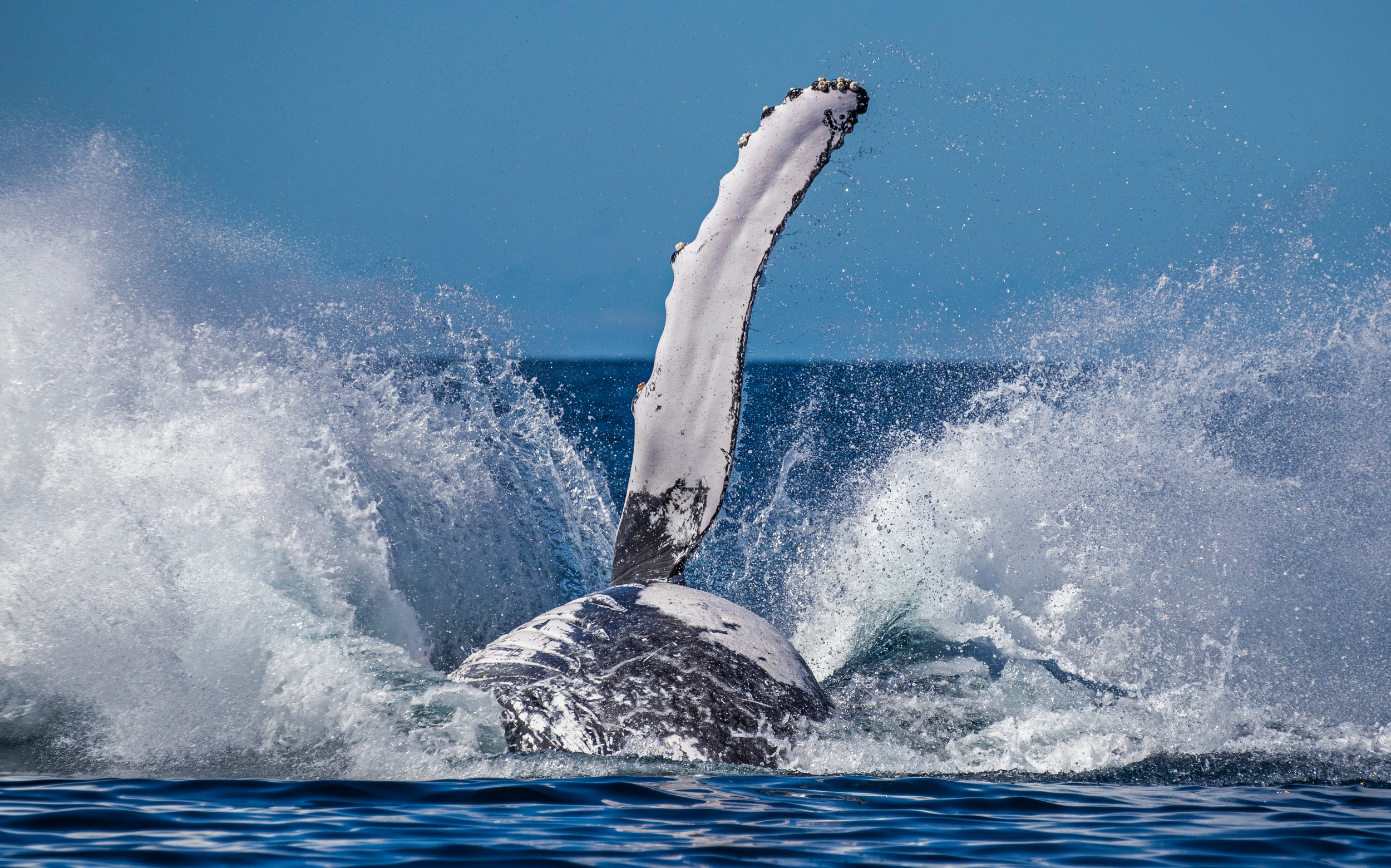
Whales How to save the whales from Trump Donald Trump's push for deep sea mining is putting whales in peril. Together we can push back. by Henry Fry July 15, 2025
Activism One year of Labour: what has Keir Starmer’s government achieved so far? A first-year report card for the UK government. by Greenpeace UK July 3, 2025
Oceans Introducing Jacob Collier and Aurora’s limited edition Greenpeace T-shirt A special collaboration for a healthy ocean: Jacob Collier and AURORA have created a limited-edition t-shirt to support Greenpeace’s oceans campaigns. by Greenpeace UK June 23, 2025
Activism Victory! Government bans bottom trawling in 41 Marine Protected Areas A massive win for some of the UK's most precious underwater habitats. by Chris Thorne June 14, 2025
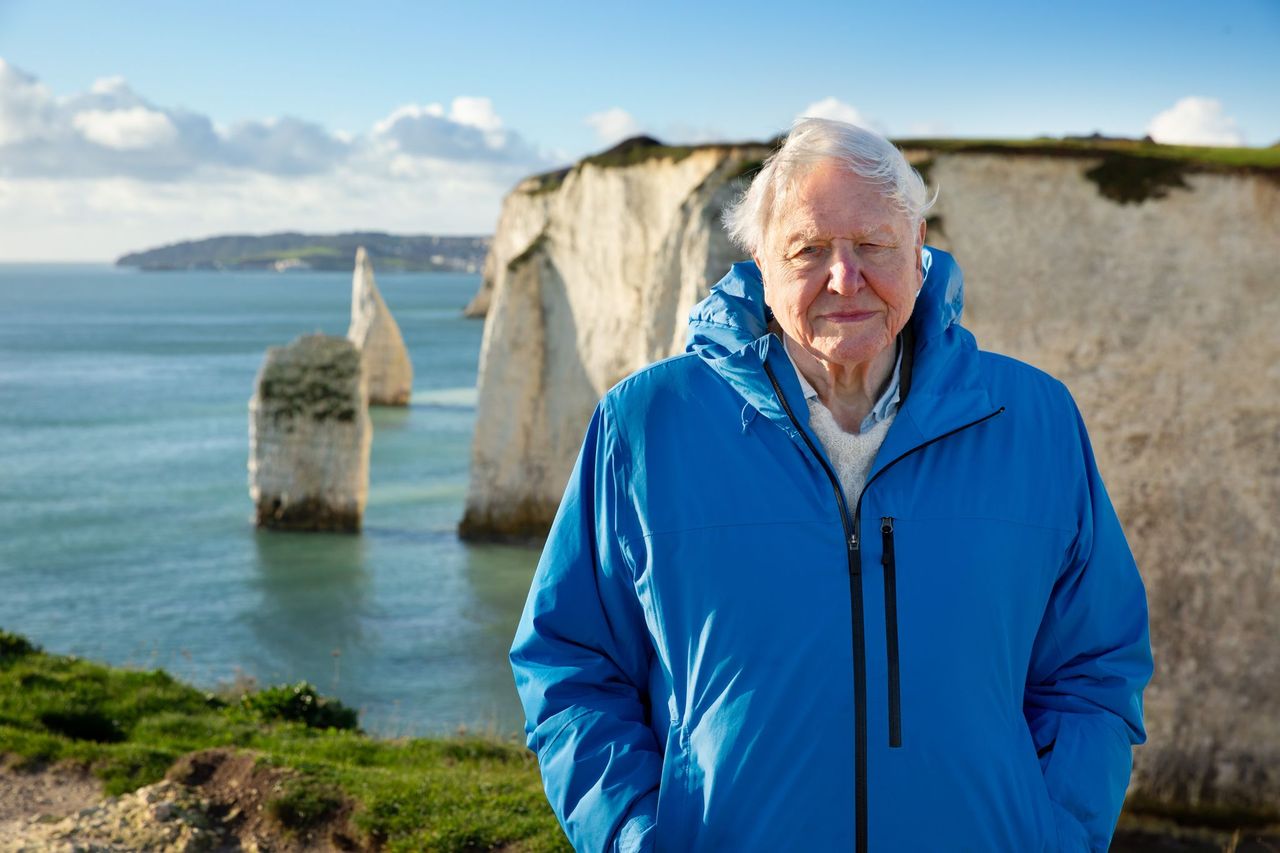
Fishing 5 things I learned from watching David Attenborough’s new film ‘Ocean’ From dancing albatross to boxing crabs, Attenborough shows us a wild and precious ocean world that needs our help. by Henry Fry May 8, 2025
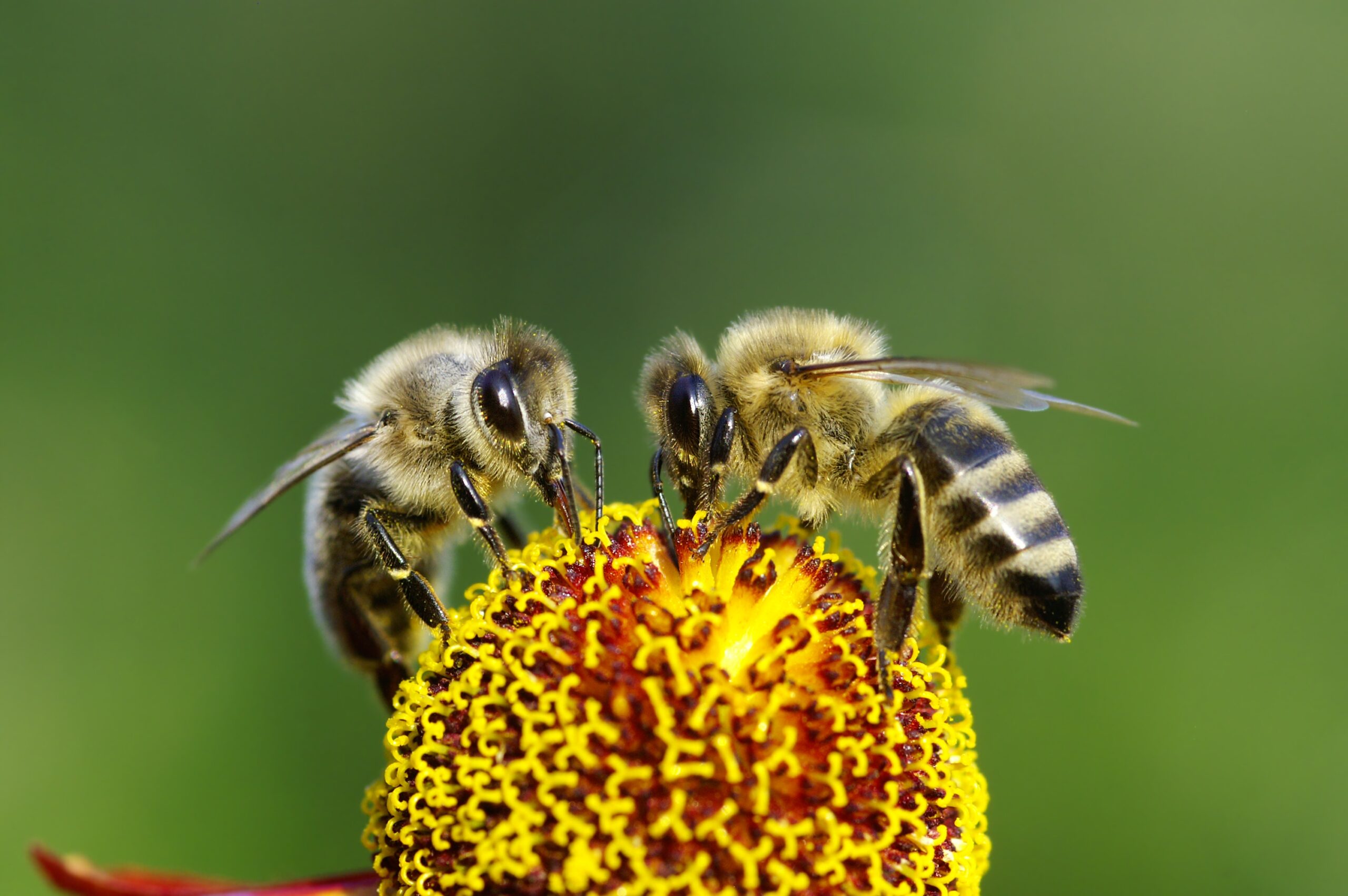
Activism How Greenpeace is working to protect pollinators and defend nature Nature is under threat – but together we’re fighting back. From saving the bees to defending the seas, here’s how Greenpeace is standing up for pollinators and the wider natural world. by Greenpeace UK April 25, 2025
Nature and wildlife 9 interesting facts about puffins Puffins are enchanting little seabirds. Here are 9 fascinating facts about puffins and their marvellous, yet sometimes challenging, lives in the wild. by Greenpeace UK March 14, 2025