Posted by Angela Glienicke -
31 July 2013 at 4:12pm
Normally you associate
Thailand’s beaches and holiday resorts with emerald water and white sands, but
on Saturday morning 50,000 litres of crude oil spilled from a leak in a
pipeline into the Gulf of Thailand, off Rayong province.
A clear majority of EU countries have
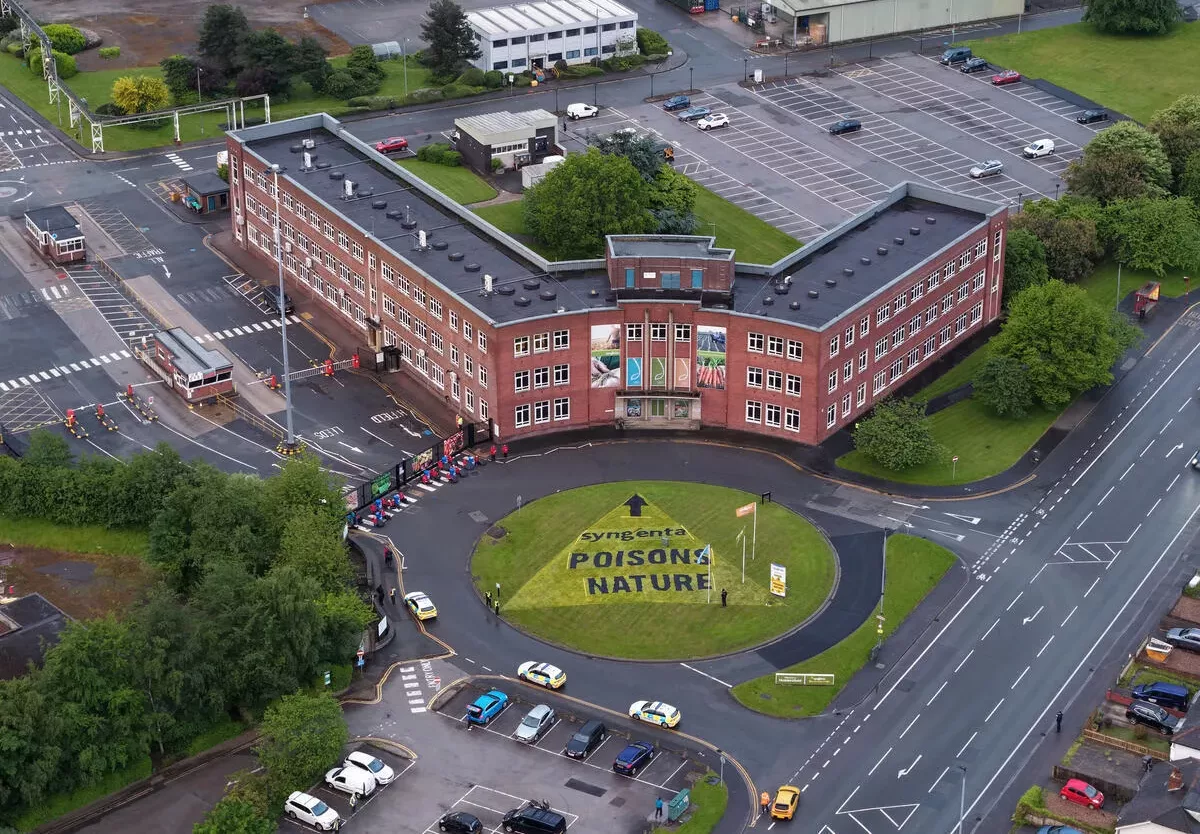
supported the European Commission proposal to temporarily ban three pesticides
that are scientifically shown to be harmful to bees: imidacloprid and
clothianidin, produced by chemical company Bayer, and thiamethoxam, produced by
Syngenta.
In a shock to the scientific community, neonicotinoids,
- or neurotoxic agricultural insecticides - have been shown in laboratory tests to
cause brain damage in bees.
Actually, it wasn’t that much of a shock. There’s
never been any doubt over the potential of these chemicals to harm bees - the
recent controversy has been over dosage.
At the start of November, we threw down the gauntlet to 15
top Italian and French luxury fashion brands. We challenged them to clean up their products by agreeing not to use toxic chemicals and to ensure their leather and packaging wasn't causing deforestation.
Posted by petespeller -
29 November 2012 at 11:38am -
Comments
Zara, the world’s largest clothing retailer, today announced a commitment to go toxic-free following nine days of intense public pressure. This win belongs to the fashion-lovers, activists, bloggers and denizens of social media. This is people power in action.
Fashion companies like Zara are using toxic chemicals to make their clothes
What are you wearing today? Touch it. Go on. What does it feel like? Yes, you're touching a piece of clothing. You're touching a type of fabric. You're touching a fashion choice. And yet, there's more to it: You're also touching a story. Because every piece of clothing – in your wardrobe, in my wardrobe, in everyone's wardrobe – has a story.
Encouraging a fashion behemoth to change the way it produces clothing is no small task. But armed with the facts and the collective power of supporters like you, we are able to achieve the sort of success story we are announcing today.
Which is that Marks & Spencer has committed to eliminate all releases of hazardous chemicals throughout its entire supply chain and products by 2020.
The ship used by Trafigura to dump waste in the West African town of Abidjan, Ivory Coast
Six years ago a multinational company bought large amounts of unrefined gasoline in the US and refined it through an industrial process called caustic washing onboard a ship, the Probo Koala, in the Mediterranean Sea.
Water is essential for life, but it is also the world's most threatened
essential resource. It is imperative that solutions are found to stop
poisoning the precious resources we have left with hazardous chemicals.
International fast-fashion retailer C&A has just joined with China’s biggest
sportswear company, Li-Ning, and Adidas,
Nike, Puma and H&M
to launch a Joint Roadmap to begin tackling the fashion industry’s toxic
pollution problem.
This year our Detox
campaign exposed the direct link between global clothing brands, their
suppliers, and toxic water pollution around the world. The Joint Roadmap is an
important step forward, and a reminder of what public pressure can achieve.