Can scientists save the world?

Posted by christian - 12 March 2009 at 4:36pm - Comments

UNFCCC

In the run up to the UN Climate Talks in Copenhagen, climate scientists are entering the political fray © Oxfam/Piotr Fajfer

You may be noticing more climate science stories in the press this week than usual - about rapidly rising sea levels, or shrinking tropical forests - or the melting rate of Greenland.

The flurry of activity is coming out of a conference of the world's leading climate scientists that's currently underway in Copenhagen. The conference is being touted as 'science does politics' - an opportunity for climate scientists to make their voices heard in the run up to the United Nations climate talks happening in the city in December.

Given that scientists often like to view their profession as apolitical and separate from the greasy wheels of power, it's an interesting move. With notable exceptions like James Hansen, many scientists don't really like getting involved in politics. It's perhaps not that surprising when you remember they were the kids from school who were really interested in maths and how the weather worked, but in a recent article on Yale's environment360 blog, Elizabeth Kolbert worries that now climate change has moved fully into the world of politics, scientists seem more reluctant to get involved.

Of course it's also true that in the rough and tumble of the political world, nothing can discredit a scientist faster than the suggestion that their work might be 'politically motivated'. The powerful vested interests that oppose action on climate change - big fossil fuels companies, airlines, sometimes governments - are quick to use any methods they can to silence people who tell them things they don't want to hear. Staying apolitical is also a survival strategy.

To try and make sure that the science was reliable and impossible to ignore, the Intergovernmental Panel on Climate Change was set up to produce climate science summaries for policymakers. 'Summaries' is a slightly misleading term - the reports they produce every five years of so run to thousands of pages - but the staggeringly rigorous process of coming to scientific agreement, which involves getting agreement on the science from scientists from all across the world, certainly gives them weight.

The scale and conservatism of the process means the IPCC's conclusions are difficult to ignore - which was important in the days (unfortunately not too long ago) when the main task for climate scientists was still to prove that climate change was actually happening. But now that the debate has moved on and politicians are aware of the issue (for the most part), the slowness of the IPCC process is turning out to be a bit of a liability. Given the speed at which we're making new discoveries about how our planet works, waiting five years for new discoveries to be processed and passed on to politicians isn't ideal.

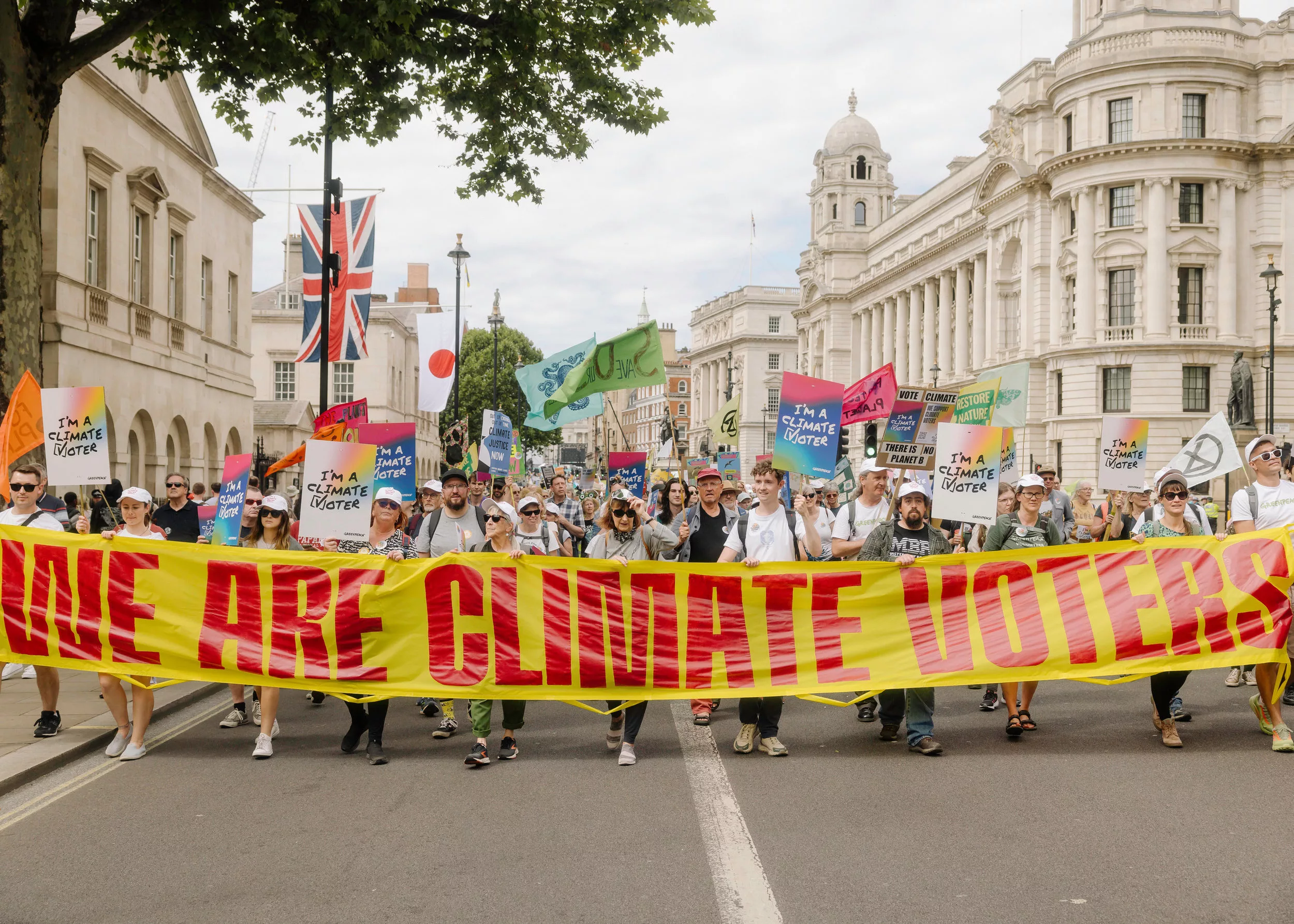
That's why scientists are looking for ways to have a faster and more direct impact on politics - organising conferences, writing articles for newspapers, and even taking part in protests. Simon Lewis, a Royal Society fellow and specialist on tropical forests, reckons that scientists should be protesting and even getting involved in civil disobedience, pondering whether "a day spent on the street, rather than in my case being in the lab, office or rainforest field site, might be my most useful service to humanity..."

On 'The World Tonight' this week, Kevin Anderson of the Tyndall Centre spoke about the delicate political balancing act that scientists have to undertake - communicating the sometimes daunting science without scaring policymakers into thinking nothing can be done. At the end of the day, he reckoned, politics has to respect the climate science, however tough and unappealing that might be. But that means that climate scientists are going to have to engage with the dirty world of politics. So that might be what we're seeing in Copenhagen right now - the first stirrings of a more politically active climate science community.

Follow Greenpeace UK