How we can protect the oceans
Our planet is 70% oceans and seas, but only a tiny fraction is currently protected. We need a global network of ocean sanctuaries to protect oceans from overfishing, oil drilling and plastic pollution. The new UN Global Ocean Treaty will help in this vital step for ocean conservation.
We’ve often thought of the oceans as limitless, full of fish and able to cope with whatever we throw at them. The oceans and seas harbour incredible wildlife, provide food for billions and help balance our climate.
We know so little about the oceans – we’ve studied the surface of Mars in more detail than the ocean floor. But just because we can’t see much of what happens beneath the waves doesn’t mean our activities aren’t having an impact. Far from it – the oceans are changing and their health is in rapid decline.
Why we need to protect the oceans
Industrial fishing methods have been so ruthless, many fish species are on the point of collapse. Marine environments are devastated by oil spills while deep-sea mining threatens fragile life in the depths. And many types of pollution inevitably make their way into the ocean – we’ve only just woken up to the problems of plastic pollution on marine life.
As well as struggling with these problems, oceans are being hit hard by climate change. As our planet warms, they’ve absorbed a lot of the excess heat but this means the oceans themselves are warming. Sea water has also sucked up extra carbon dioxide from the atmosphere which is making the water more acidic. Both of these changes are hitting marine life hard.
It’s clear we urgently need to do much more to protect our oceans. Creating ocean sanctuaries – like national parks at sea – is essential. These would keep out threats from industrial fishing, drilling and mining, giving marine life a chance to recover. Protected areas won’t keep out pollution or climate change, but they will give marine life the space to cope with these pressures.
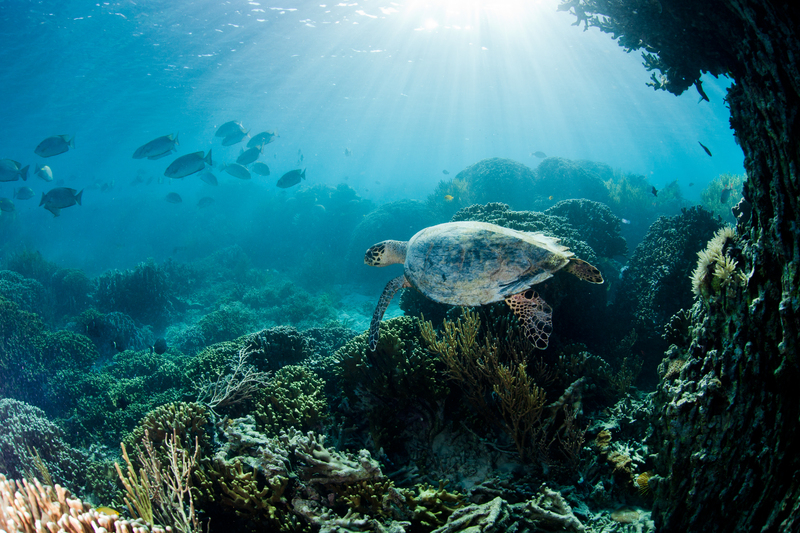
Do ocean sanctuaries really work?
See how ocean sanctuaries that already exist are helping sea life recover and thrive.
Ocean conservation for food and fighting climate change
Ocean conservation is necessary to protect marine wildlife and fight climate change. Creating more ocean sanctuaries will also allow fish stocks to recover, with more and bigger fish. Billions of people rely on fish for their protein and healthier fish means better food security for them.
We’re discovering how important sea life is for regulating the climate. Whales and tiny krill are just some of the creatures which help remove carbon from the atmosphere and store it in the deep sea for thousands of years.
Scientists say that we need to protect at least 30% (with the emphasis on ‘at least’) of our oceans by 2030 to halt their decline.
Over half of our planet is ocean which lies outside the boundaries of any country. Protecting these areas needs international co-operation.
The UN Global Ocean Treaty
In March 2023, the United Nations agreed a Global Ocean Treaty after two decades of negotiations. It sets the rules and tools for protecting ocean life over nearly half of our planet. Most importantly, it provides a pathway to creating ocean sanctuaries all over the world.
Healthy oceans help combat climate change by locking away carbon, and provide food and livelihoods to more than three billion people – mostly in the Global South.
This treaty is a golden opportunity to repair the damage we’ve done to the oceans. Given how much we depend on our oceans, it’s an opportunity we need to take.
Some big ocean sanctuaries have already been created. The Papahānaumokuākea marine national monument near Hawaii is huge, beaten in size only by the Ross Sea protected area in Antarctica. Even so, only 1% of all international waters are protected in any form.
The new Global Ocean Treaty finally makes it possible to create a network of ocean sanctuaries across the globe, areas where fragile ecosystems and marine life can recover and thrive.

Change the world with us
Together we can take on the world’s worst polluters and solve its biggest problems. See how you can get involved.