Email Print

Esperanza featured on 'From Our Own Correspondent'

esperanza-papua.jpg

For those of you who missed Saturday's edition of one of Radio 4's most popular programmes, 'From Our Own Correspondent', you missed a great piece on the desperate plight of Pacific tuna. Focusing on overfishing by EU and Asian nations around the Cook Islands, it covered the story of our very own ship Esperanza busting a Japanese purse seining vessel which was fishing illegally in Cook Island waters.

You can listen to it here: http://www.bbc.co.uk/podcasts/series/fooc.

Read more »
Tags:
Email Print

How to cook jellyfish...

In this, the second instalment of the 'Our Ocean Wonderland' animations, Stephen Appelby considers the culinary seafood options likely to be open to us once we've emptied the seas of edible fish.

Read more »

Tags:
Email Print

BBC Online: Tuna ban 'justified' by science

Banning trade in Atlantic bluefin tuna is justified by the extent of their decline, an analysis by scientists advising fisheries regulators suggests.

Original Article Link
Email Print

The End Of The Line: UK TV premiere

Film: End of the Line

It's finally here.

The movie that changed the way people think about what’s on their dinner plate is hitting a small screen near you. The End of the Line will be screened at 10pm on More4 tomorrow night, Tuesday 20th October.

Read more »
Tags:
Email Print

Video: Jellyfish and chips, anyone?

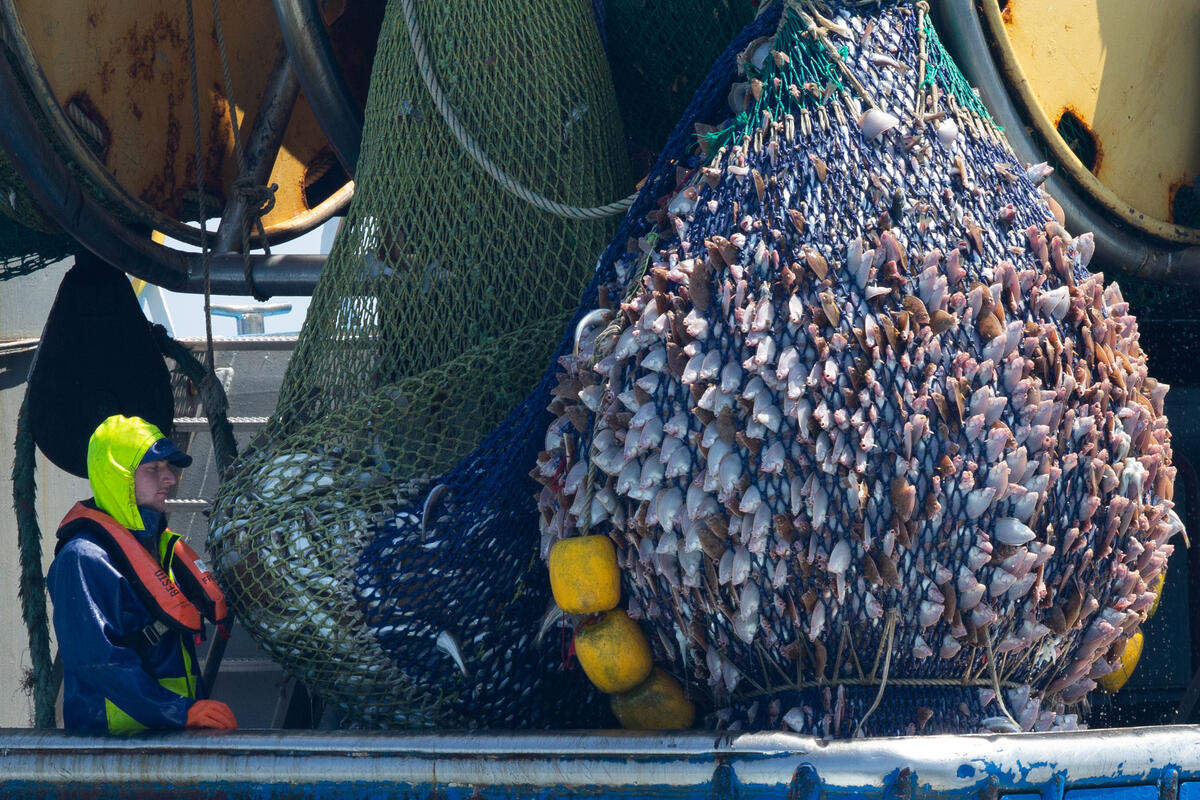
Those of us who've been trying to make sense of what sort of impact destructive overfishing is having on marine life know things are bad - when you have a global fleet with the capacity to catch every edible thing in our oceans four times over, patchy regulations at best, and a massive incentive for fishermen to catch the most valuable species quickly before someone else fishes them out - it's not surprising many fish stocks are in trouble.

Read more »
Tags:
Email Print

BBC Online: Fish report hits bottom note

Richard Black's latest Earthwatch blog examines why the 2006 UN resolution on bottom-trawling the seabed has had almost no effect on the problem of overfishing and destruction.

Original Article Link
Email Print

Tomorrow will be too late...

Every once in a while in my meanderings through the web, I come across something that really hits the spot - like this amazing animation from Phil Reynolds, for example. Phil's taken an idea from Charles Clover's book about overfishing, The End of the Line, and he uses it beautifully to illustrate the problem of 'bycatch' - the non-commercial species which are also killed during the process of bringing our favourite fish species to the table.

Read more »
Tags:
Email Print

LA Times: Troubles at the sushi bar - Activists target Nobu in Los Angeles

High-end sushi chain Nobu probably hasn't heard the last of Greenpeace, which has extended its campaign against Nobu Matsuhisa's namesake restaurants to the West Coast.
Original Article Link
Email Print

Celebs threaten to boycott Nobu over unsustainable fish

Sugababes star Amelle Berrabah oustide Nobu London

Sugababes star Amelle Berrabah helps to promote our 'Endangered Sushi' message outside Nobu London © Dennis Gill

The End Of The Line has certainly been getting the rich and famous agitated on the often-overlooked issue of fish. The film's narrator Ted Danson has been a long time campaigner on oceans issues but in the past couple of weeks many more famous faces have been getting interested in fishy things.

Read more »
Tags:
Email Print

The end of the line?

Author Charles Clover and director Rupert Murray at work on 'The End of the Line'.

The End Of The Line author Charles Clover talks to us about his book, the film and the plight of the ocean.

What's the film about?

It's an adaptation of my book, exploring how fishing is currently the most destructive human activity on 70 per cent of the planet's surface.

Fishing with modern technology is wiping out whole ecosystems we have barely started to understand. It's driving species such as the bluefin tuna towards extinction, undermining the food security of billions of people and damaging the oceans ability to act as a sink for carbon dioxide from the atmosphere – all to provide us with delicious things to eat.

Read more »
Tags: