GP Worldwide

Creative Commons

Email Print

John West - still in denial?

John Worst - avoid their unsustainable tinned tuna

We already know that John West's website contains plenty of corporate puffery. After all, this is the company that claims to "only purchase fish which is caught with no harm to the marine environment" but which came a dismal last in our sustainability league table of tinned tuna brands. Yes, John West truly is John Worst on tinned tuna.

Read more »
Email Print

Thousands of sharks and turtles wiped out for tined tuna

13 Aug 2008

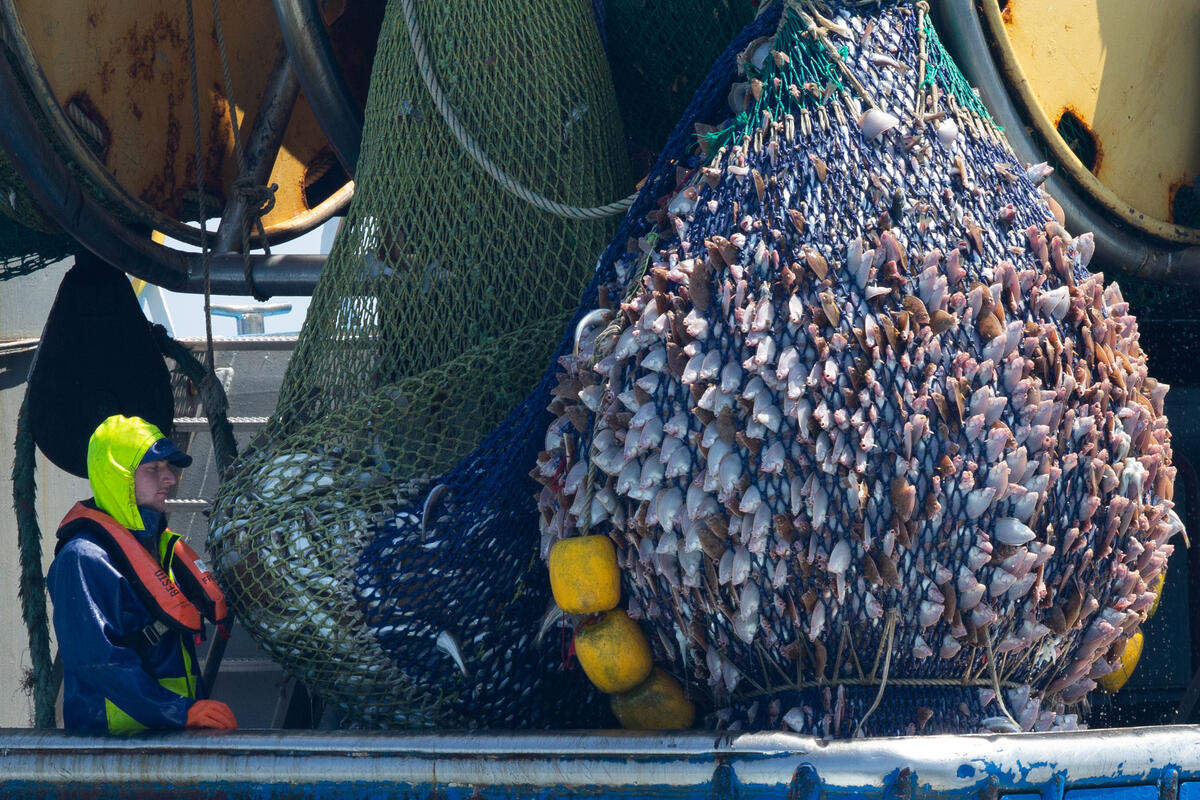
Tinned tuna sellers John West are relying on fishing methods responsible for wiping out thousands of sharks and turtles every year - including some rare and threatened species.

The UK's largest seller of tinned tuna has been ranked bottom of an environmentally friendly tinned tuna league table due to the use of these destructive fishing methods used to catch its tuna.

John West tinned tuna is often caught using ‘fish aggregation devices', or FADs, which are used to attract tuna. But they also attract a host of other species including turtles, sharks and juvenile tuna before everything around the FAD is scooped up in a huge net. On average, every time a FAD is used, 1kg of these other species will be caught for every 10kg of tuna (1).

Sainsburys own-brand tinned tuna topped the Greenpeace league table. Their fish are caught using a pole and line, making them the only tinned tuna brand that is fished using solely sustainable methods.

David Ritter, head of Greenpeace's oceans campaign, said:

"Thousands of turtles and sharks are killed every year while catching tuna to be put in tins. And John West - the biggest tinned tuna seller in the UK - is currently the worst supplier of the lot.

"Whilst the label on the tin may say ‘dolphin-friendly', some tuna fishing methods can be hugely destructive.

"John West must stop selling tuna caught in this way. And, if the whole fishing industry is going to be truly sustainable, then they must support the introduction of large scale marine reserves across the world's oceans."

Tinned Tuna League Table

  1. SAINSBURY'S. All of Sainsbury's tinned tuna is now pole and line caught, making their own-brand the only one that is entirely fished using sustainable methods.
  2. CO-OP. Around 50 per cent of the Co-op's tinned tuna is caught using pole and line.
  3. MARKS AND SPENCER.  Good overall seafood procurement policy, but a great deal of their tuna comes from fishing boats that have no restriction on the use of FADs.
  4. ASDA. Show awareness of the problems, but a great deal of their tuna comes from fishing boats that have no restriction on the use of FADs and the tins fail to say how the fish was caught. Have expressed some support for marine reserves.
  5. MORRISONS. Again, some awareness of the problems, a great deal of their tuna comes from fishing boats that have no restriction on the use of FADs and the tins fail to say how the fish was caught.
  6. TESCO. The majority of Tesco tuna comes from boats that have no restrictions on using FADs, and they fail to tell customers how the fish was caught.
  7. PRINCES. No restrictions on the use of FADs,no support for marine reserves and Princes tins never say how the fish was caught.
  8. JOHN WEST. Never tells consumers how the tuna was caught, no restrictions on the use of FADs for the majority of their catch, no support for marine reserves and more widespread use of tuna from stocks under specific threat. And the John West general sustainable seafood policy is lacking basic credibility.

Greenpeace press office: 020 7865 8255

Notes:

(1) D. Bromhead et al, Review of the impact of fish aggregating devices (FADs) on tuna fisheries. Australian Department of Agriculture, Fisheries and Forestry, 2003

Email Print

John West: the worst on tinned tuna

John West - the worst in the UK for tinned tuna

Tinned tuna is big business - there's a can in almost everyone's cupboard. Here in the UK we can't get enough of it - we're the second biggest consumer in the world after the USA. Globally tuna exports are worth more than any other fish species, at around 2.7 billion dollars per year.

But there are big problems with the way tuna is caught. Our new briefing paper, Tinned Tuna's Hidden Catch, explains how large numbers of sea turtles, sharks and other fish are all being wiped out by the global tuna industry. And tuna is in trouble itself, with some species critically endangered by overfishing.

Read more »
Email Print

Jellyfish and chip supper?

Mauve stinger and chips, anyone?

A new report by the Institute of Marine Sciences at the National Research Council in Barcelona links the rapid growth of jellyfish populations throughout the world's oceans to overfishing of their natural predators such as tuna and as a result of global warming.

Read more »
Email Print

Tuna league table 2008: John West

John West - bottom of the tinned tuna pile