Email Print

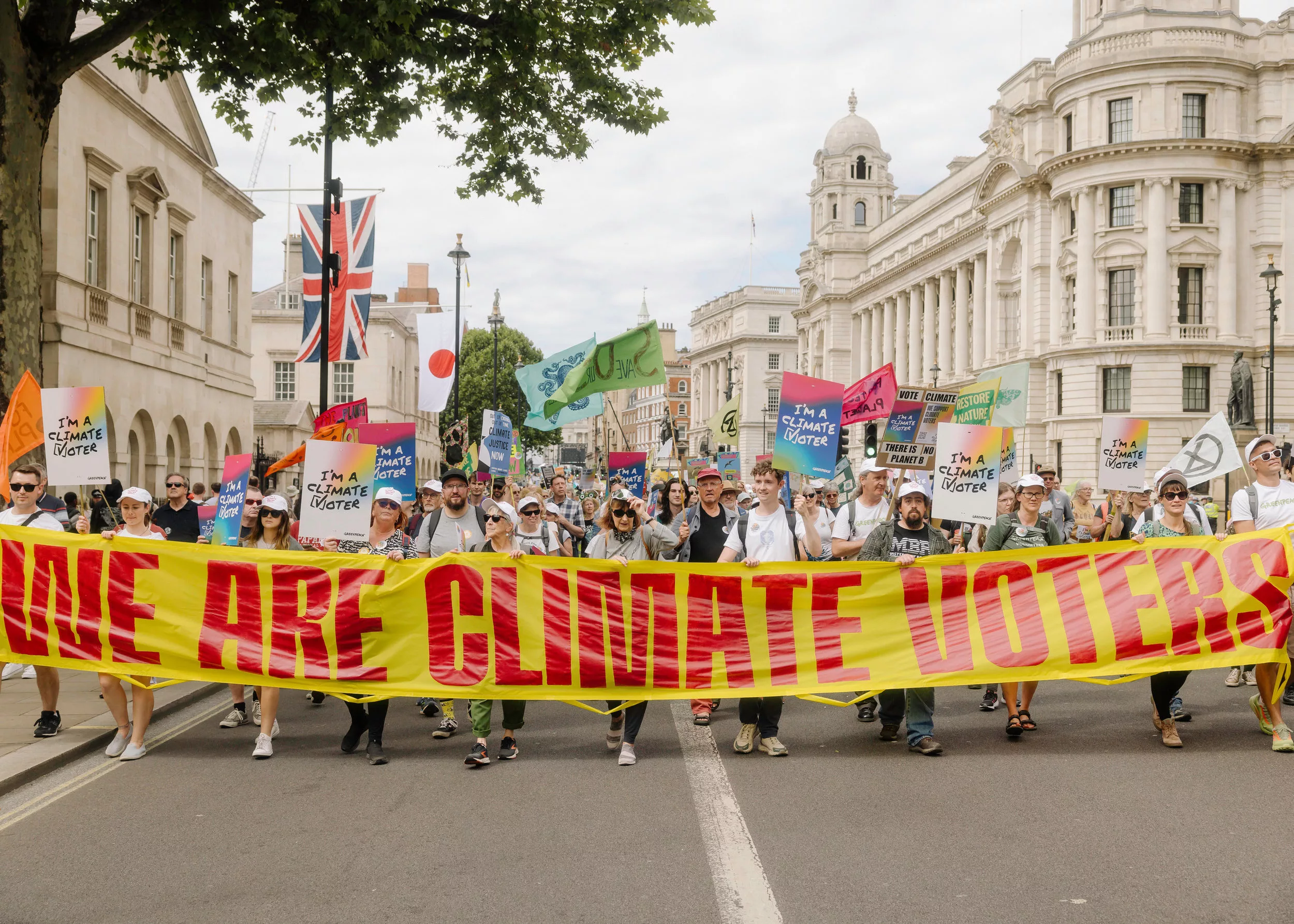
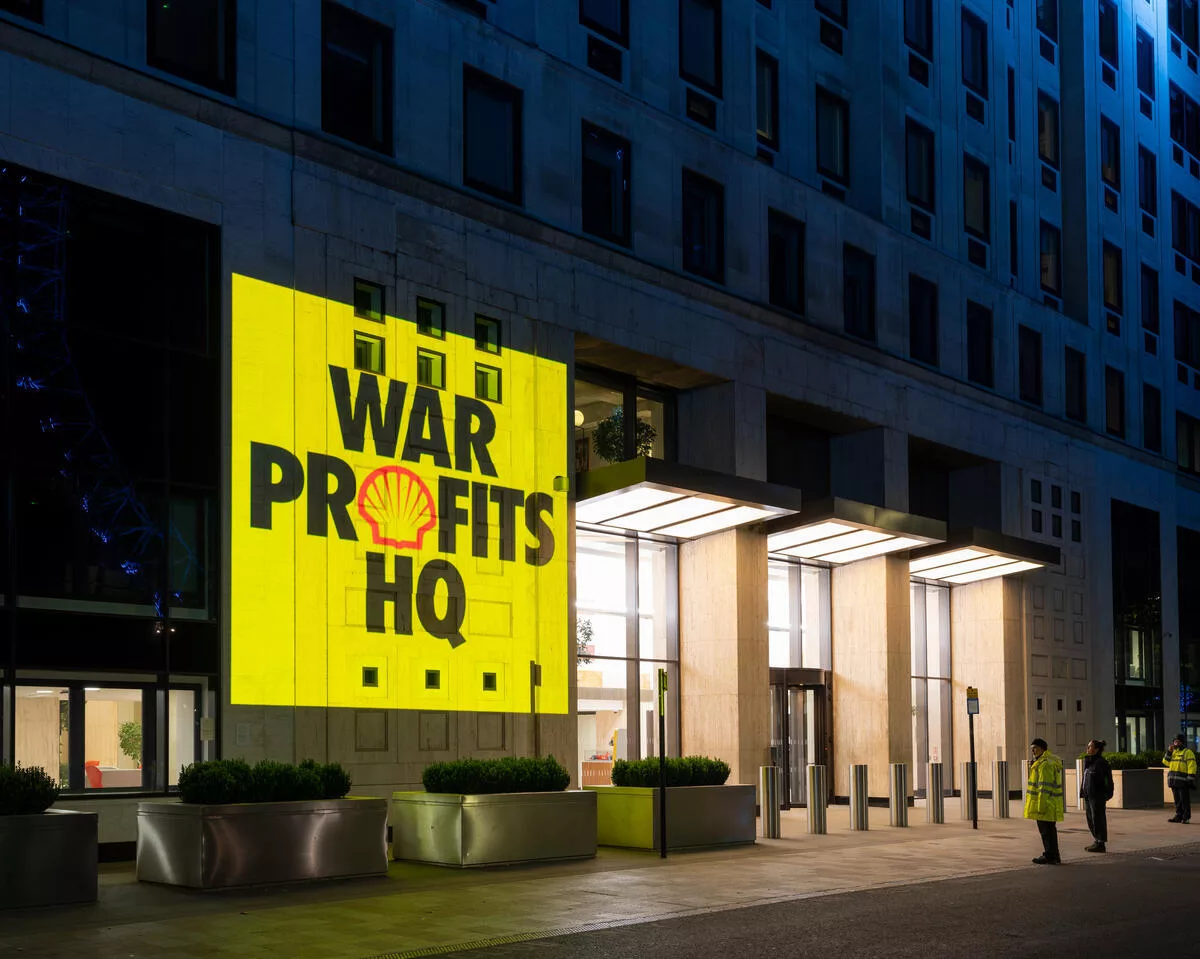
September 2009 - the month in pictures

A round-up of September's images from around the Greenpeace world. Enjoy!

Read more »
Tags:
Email Print

Rice up against the twin threats of genetic engineering and climate change

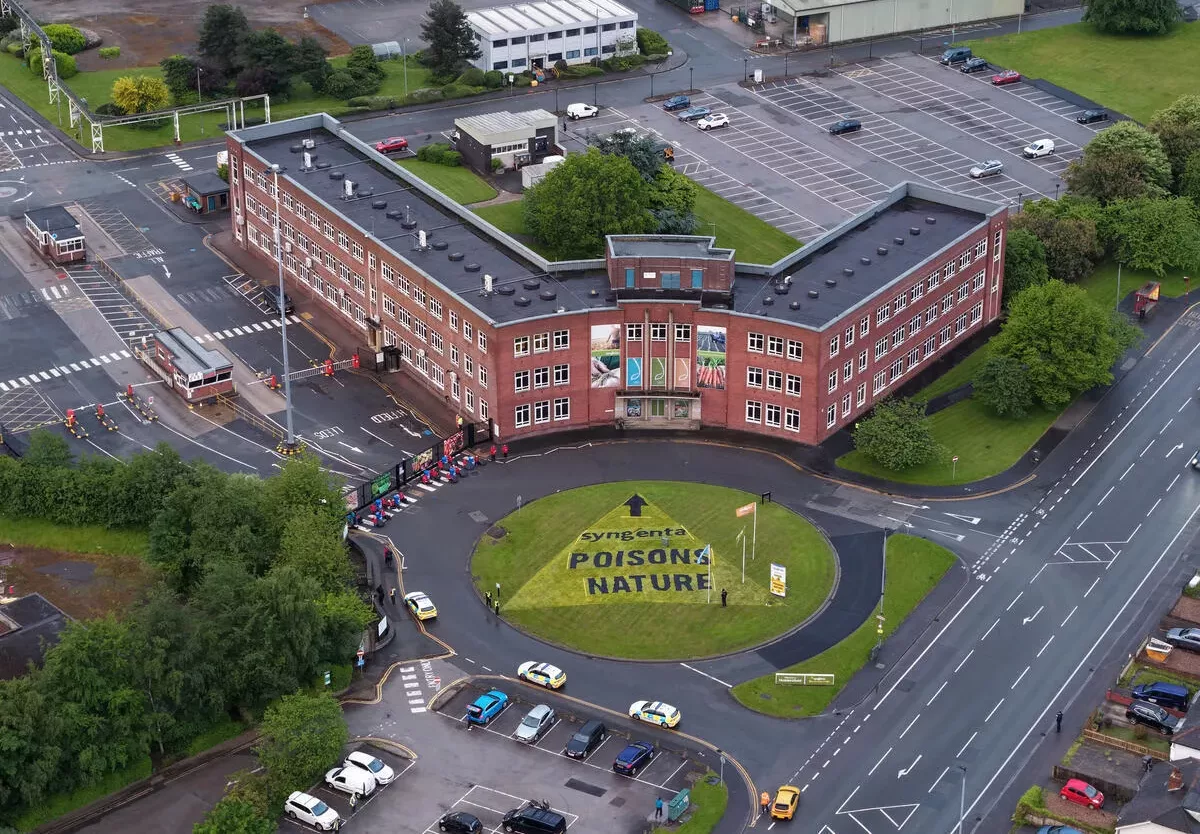
Arial view of Thai rice art

Last March hundreds of Thai Greenpeace supporters, volunteers and farmers took part in an amazing experiment - to create a giant, beautiful organic work of art in the rice fields of Thailand's Central Plains.

Read more »
Tags:
Email Print

Tesco takes shark-fin of the shelves

 This female Caribbean Reef Shark in Roatan apparently survived a finning - most do not. CC copyright yukikokubo
This female Caribbean Reef Shark in Roatan apparently survived a finning - most do not © CC yukikokubo

Tesco have just announced that they're going to stop selling shark fins in their stores in Thailand.

This follows some bad press on the issue and subsequent lobbying by the Shark Trust to clean up their act.

Sharks are a dividing issue with people – some people love them and are fascinated by them, others are terrified of them. Whilst sharks have an ferocious and fearsome reputation, and any shark attack or alleged sightings of man-eating great whites off Cornwall make the news, we rarely hear of the impact we humans are having on sharks. And we are having an enormous impact.

Read more »
Tags:
Email Print

Undercover video throws light on illegal timber trade

The undercover experts down the road at the Environmental Investigation Agency have released this short video exposing the trade in illegal timber from the forests of Laos. Shady deals and corruption allow large amounts of dodgy lumber to be processed in Vietnam and Thailand, where it's made into products like garden furniture for export to (among other places) the UK. Yet another reason why we need laws in Europe to ban the import of illegal timber.

Tags:
Email Print

The developing world

Greenpeace volunteers in Thailand help a farmer decontaminate his papya field where interbreeding with GM varieties has occurred

Greenpeace volunteers in Thailand help a farmer decontaminate his papya field where interbreeding with GM varieties has occurred


Published on August 14, 2006
Email Print

Thailand bans genetically modified crop trials

6 Apr 2001
GM cornfield

GM cornfield

Greenpeace today applauded the Thai Government's decision to stop the release of all Genetically Modified (GM) crops into the environment and no longer allow any GM field trials in Thailand. With this decision Thailand takes the lead in Asia to protect its environment, biodiversity and farmers from genetic pollution.

The cabinet of the Prime Minister Thaksin Shinawatra decided to instruct the Ministry of Agriculture and Cooperatives to halt all approvals for GM field trials (1). The decision should also mark the end of ongoing field trials on GM cotton and GM corn, conducted by agribusiness giant Monsanto, the second largest seed provider in Thailand (2). Thailand has already banned all commercial growing of GM crops on its territory (3).

"Thailand's biodiversity is unique and precious. It is our culture, our food and our future. Greenpeace congratulates this Government action to protect our food and fields from the dangers of genetic engineering and encourages other ASEAN governments to follow. We demand that Monsanto respects this decision and terminates their existing field trials," said ecologist Dr Jiragorn Gajaseni, Executive Director of Greenpeace South East Asia.

By making this bold decision Thailand can avoid the environmental and economic problems already being experienced by those countries that have adopted GM crops. In Canada GM canola is developing into a major weed problem, which requires the use of conventional toxic herbicides for removal. In the United States over a billion dollars have been spent trying to recall a genetically modified potentially allergenic Starlink corn, which contaminated 430 million bushels of harvest.

In order to truly assure Thailand's GM free status, Greenpeace calls on the government to now urgently check and control remaining imports of genetically modified food and commodities, such as corn and soybeans from the US.

"Thailand has taken the first step to protect Asia from the threat of genetic modification. The message is clear: The only way to prevent genetic pollution from GM crops is never to plant them in the first place," said Auaiporn Suthonthanyakorn, Greenpeace GM campaigner for South East Asia.

Notes for editors:
1) The decision of the Prime Minister 50/2001, made on 3 April is an instruction and it translates: the Ministry of Agriculture and Cooperative to halt all GM crop field trials. On the same day it was decided to set up a panel to draft a biosafety act, farmers, consumers and academics will participate in this panel.

2) In 2000, the two GM crops allowed for field testing in Thailand were Monsanto's Bt (bacillus thuriengiensis) Bollgard cotton and Monsanto's Bt corn, both genetically modified to kill insects. For the Bt Bollgard cotton, Monsanto has a permit to conduct field trials for this and the next year. Monsanto's field trials have been contested by Thai farmers' organisations and environmental groups.

(3) In October 1999, the Thai Economic Policy Committee decided to ban the import of GM seeds for commercial cultivation, but continued to allow research-oriented imports. The ban will continue until GMOs are scientifically proven to be safe.

Further information:
Contact:
Greenpeace press office on: 020 7865 8255