Impact report 2025
Together we stood up to bullies, defended our planet, and changed the course of history. This is what we achieved in 2025.
2025: a year of courage and resistance
In early 2026, Canadian PM Mark Carney was praised for his speech at the World Economic Forum. He argued against the idea that ‘the strong can do what they can and the weak must suffer what they must’.
Carney was describing a truth that runs through our movement’s DNA: we must never be afraid to stand up to bullies …
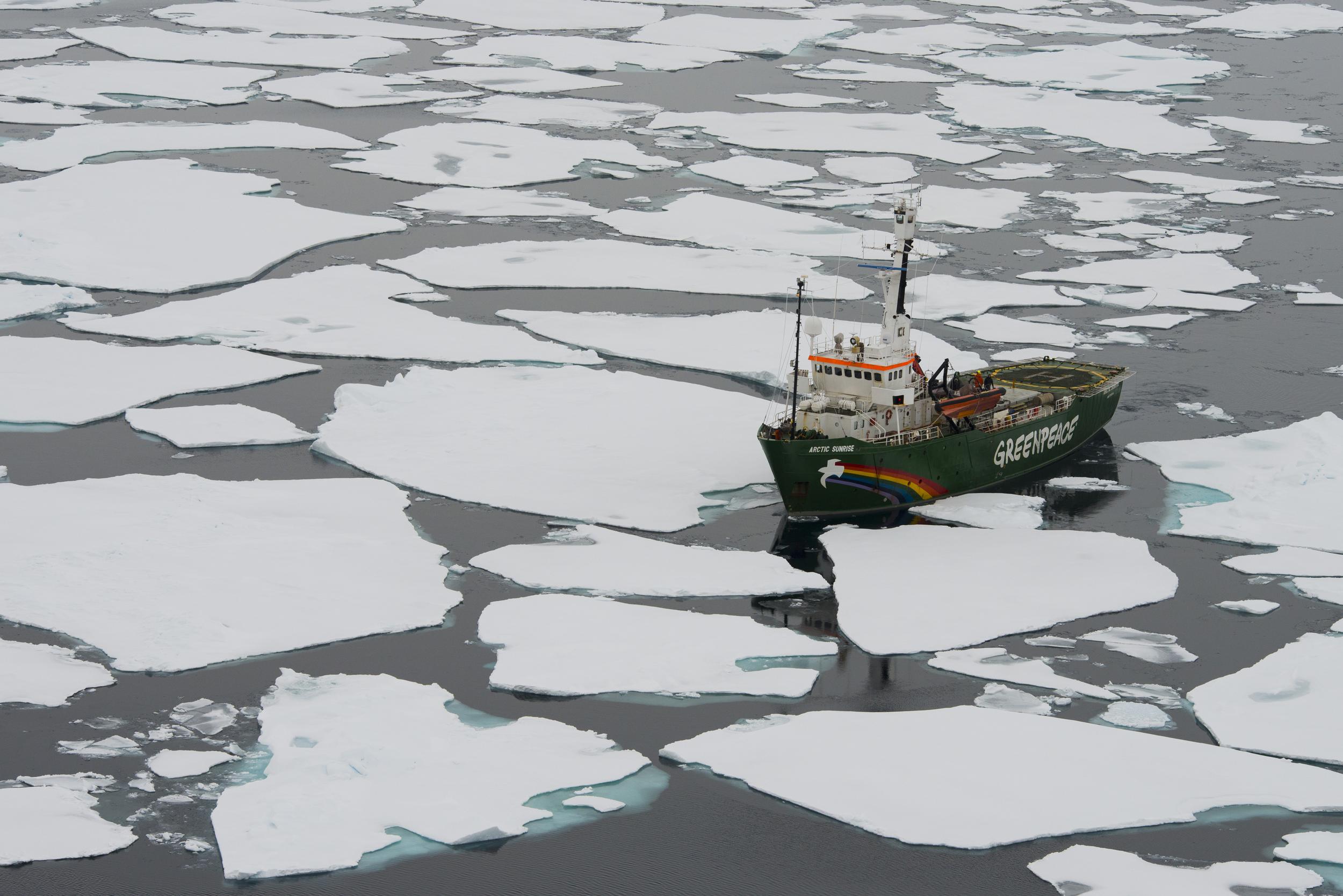
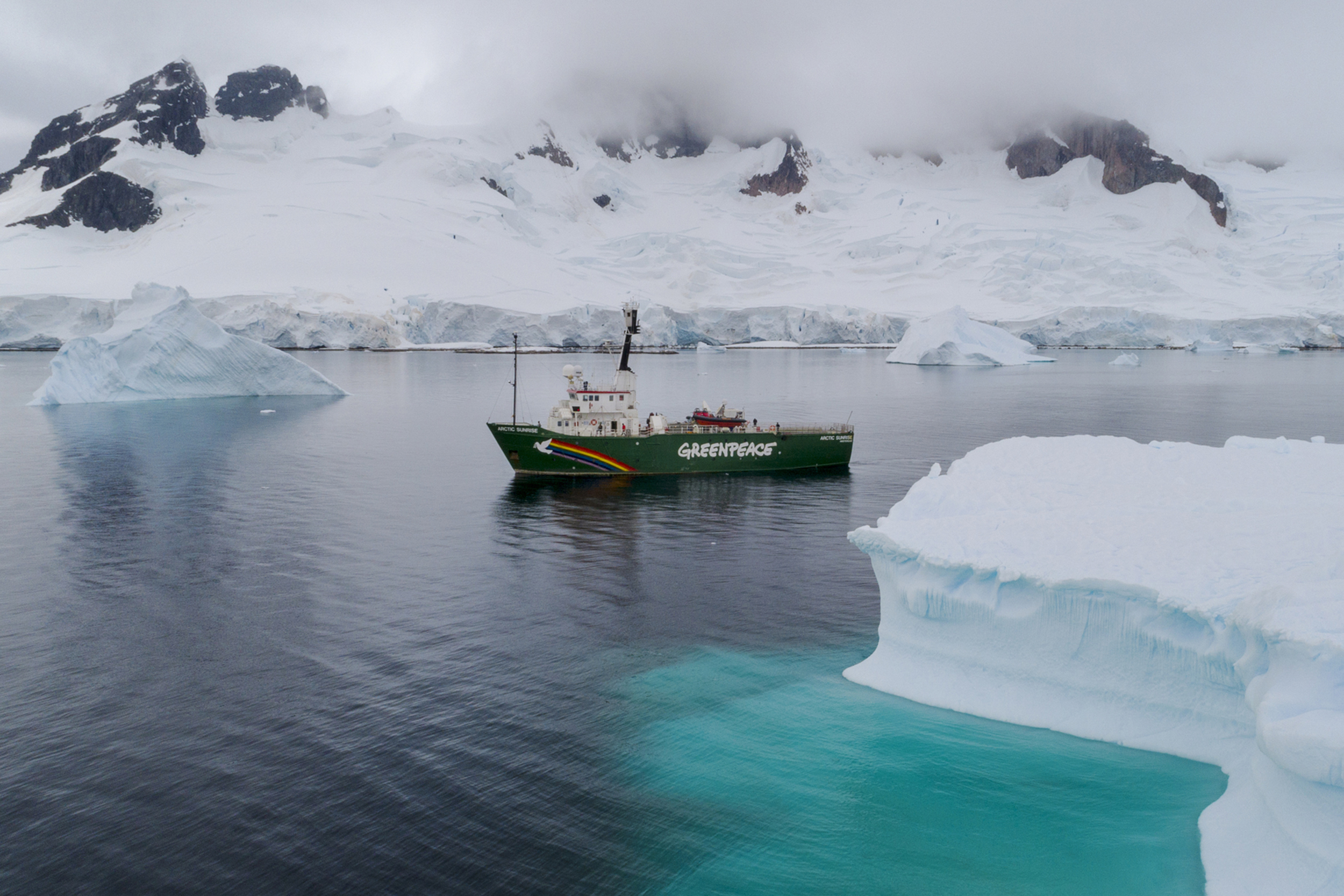
We refused to be bullied into stopping our successful campaigns to protect the Antarctic, end commercial whaling or stop Arctic drilling. We refused to be bullied by Vladimir Putin when Russia captured 30 Greenpeace activists before releasing them. Time and again, our unity and determination has created unstoppable momentum. We’ve left bullies isolated – and ultimately defeated.
2025 was another year when politicians and polluters tried to intimidate and undermine us. Like President Trump unraveling climate legislation, or Big Oil companies trying to sue Greenpeace USA out of existence.
But we were part of landmark progress, too. The Global Ocean Treaty is testimony to the power of our global movement. The UK’s decision to end exploration for North Sea fossil fuels is a huge stride towards a clean energy future. Both are the result of decades of careful, targeted, relentless campaigning.
With the war in Iran, we have even more reason to end our dependence on fossil fuels. Our thoughts are with the people affected by this senseless violence and our resolve for a greener, more peaceful planet, is stronger than ever. This is the path that Greenpeace has always taken. Thank you for being on that path with us.
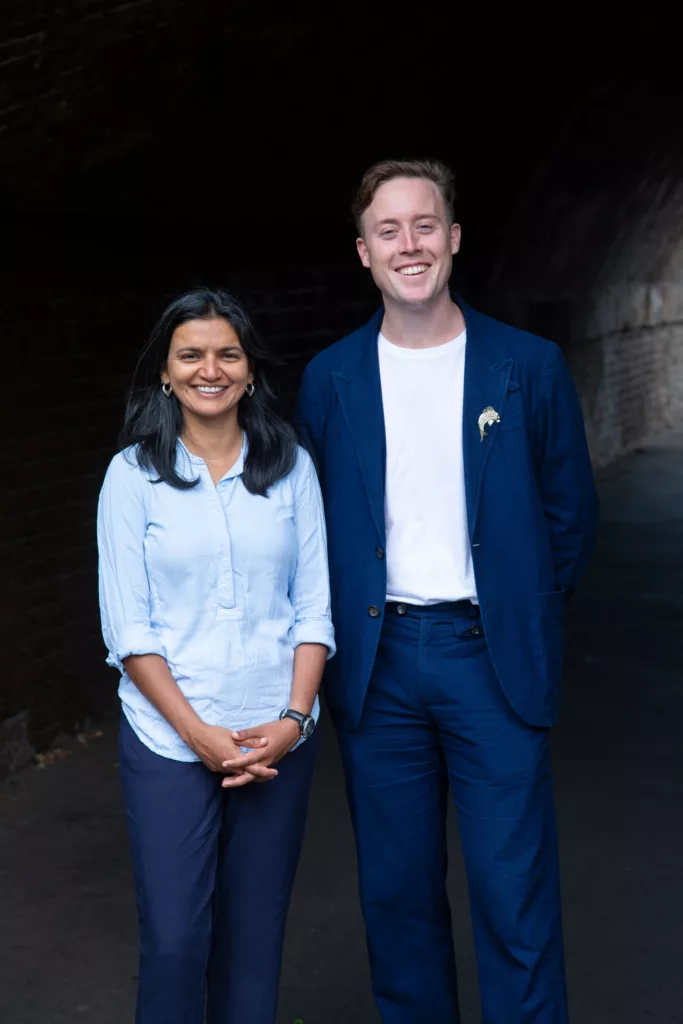
Areeba Hamid and Will McCallum
Co-executive directors, Greenpeace UK
JUMP TO A SECTION
UK climate
New hope in a defining year
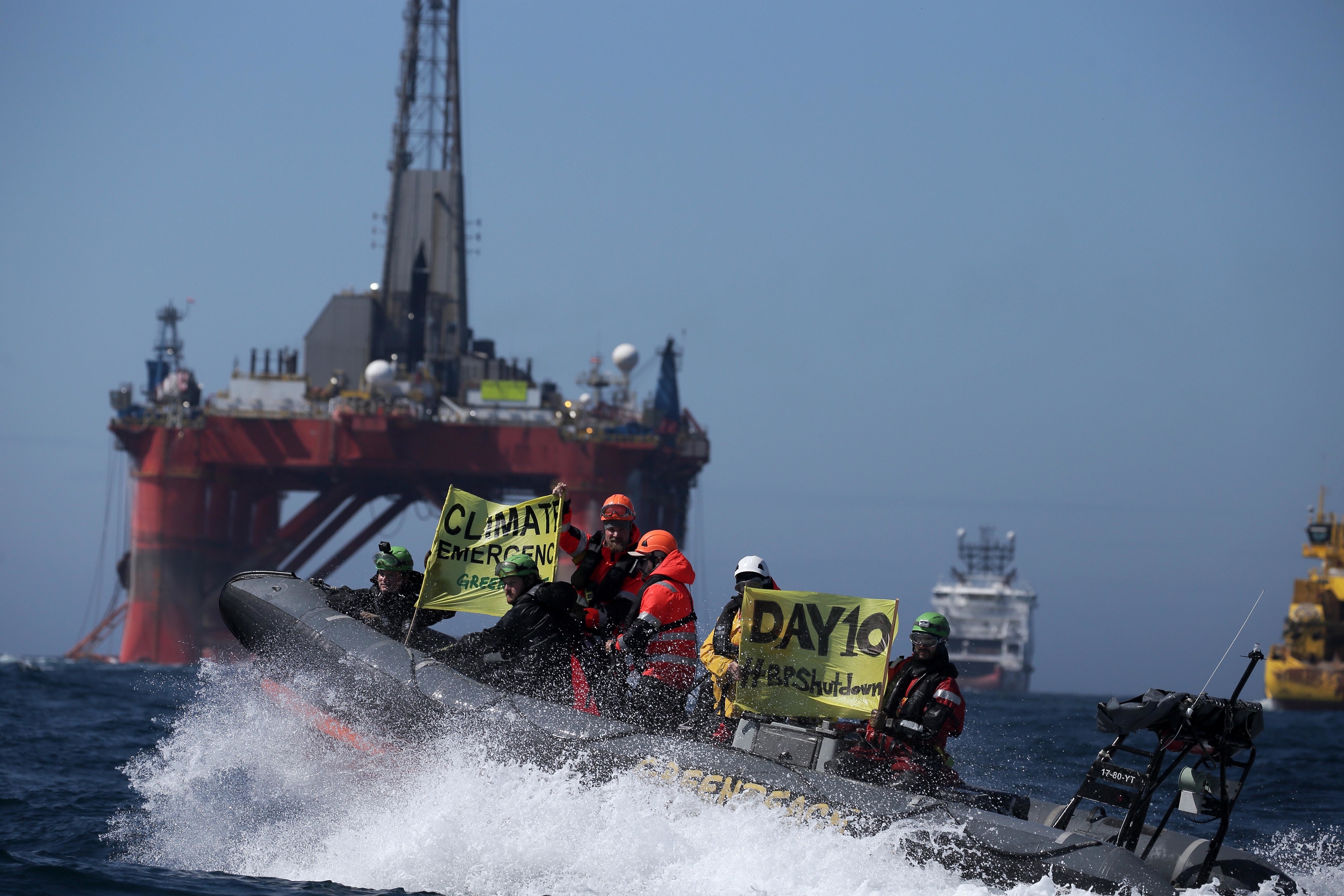
In November, the government confirmed that no new licences will be granted for oil and gas exploration in the North Sea. This landmark pledge makes the UK the world’s largest economy to end new fossil fuel exploration.
For decades, hundreds of thousands of us have campaigned against fossil fuels. Now a finish line is in sight. The seemingly impossible has been achieved – together.
Influencing Westminster
Alongside this huge victory, our pressure made waves through government this year.
- The Department of Energy’s consultation into ‘Building the North Sea’s Energy Future’ closely reflected our No New Oil campaign.
- £1bn of funding was announced for offshore wind projects. This meets our longstanding call to help fossil fuel workers to switch to green jobs.
- We helped convince the government to keep the windfall tax on fossil fuel companies. That came after thousands of supporters wrote to MPs and signed our petition. 16 organisations co-signed a letter we drafted to the chancellor, too.
- Our research on how we can slash energy bills if we stop gas-fired power stations from setting electricity prices was raised in the House of Lords. Plus, energy companies Octopus and E.On backed the policy in Parliament.
- And when we called for a review into the Crown Estate exploiting its monopoly in offshore wind, it prompted questions in the House of Commons.
Rulings for our climate
It was also a significant year in the courts. The Scottish Court of Session ruled that the Conservative government had acted unlawfully by licensing exploration of the Jackdaw and Rosebank North Sea oil fields. With campaigning group Uplift, we had argued that the licensing failed to consider potential emissions. The judge agreed, revoking consent for development.
And we were pleased to see the sentences of six Just Stop Oil campaigners reduced, after we supported the activists’ case alongside Friends of the Earth. But as our co-executive director Areeba says: “These sentences are still unprecedented and have no place in a democracy that upholds the right to protest.”
Stop drilling, start paying
A year of changing the story
In 2025, storms, floods, wildfires and droughts left people in the UK facing damages worth £2.8bn. But behind that staggering figure are lives ruined. Communities decimated. Homes destroyed. All while Shell raked in profits of £13.6bn.
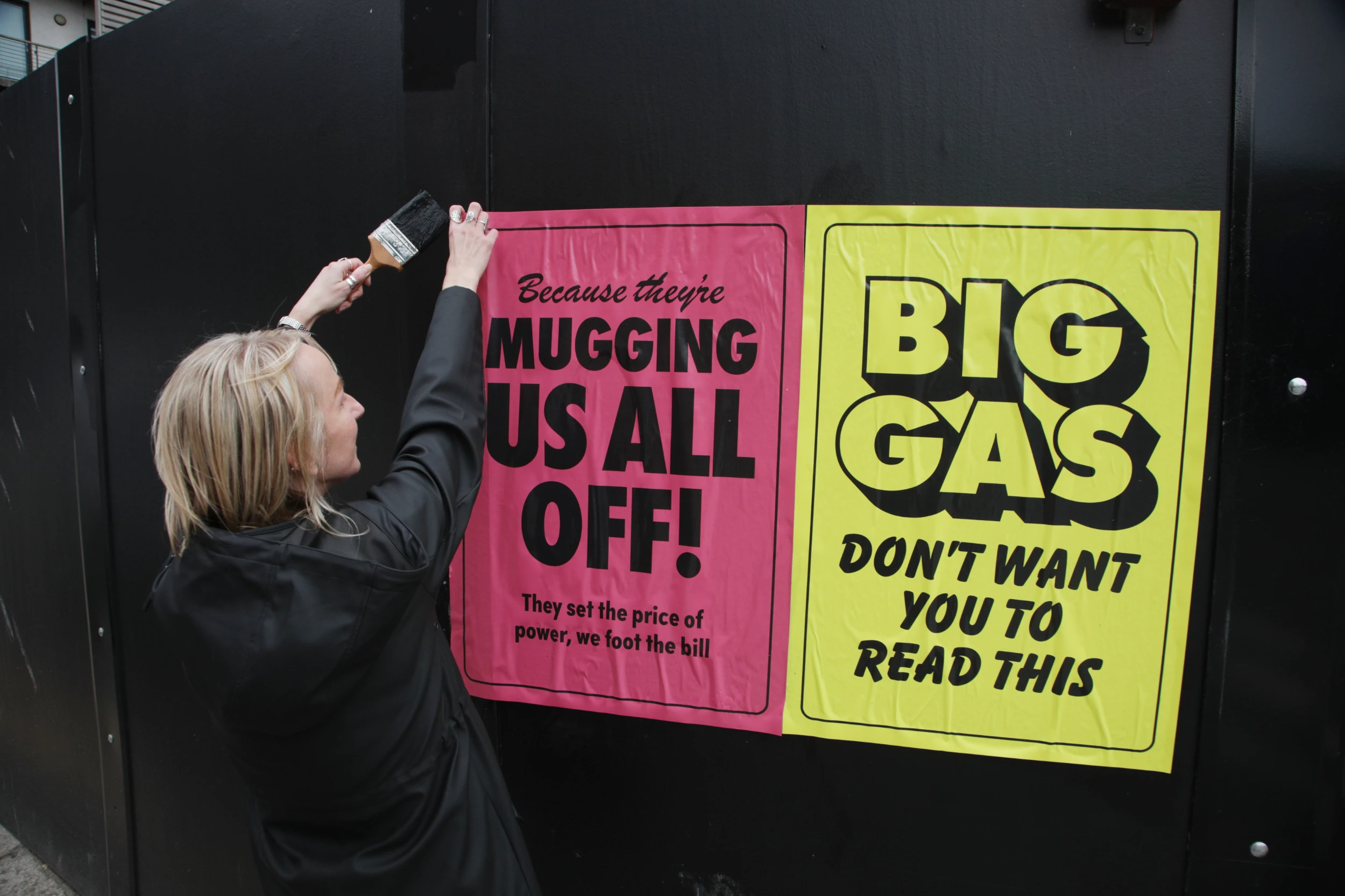
We worked to shift the narrative, responding to extreme weather by making clear that fossil fuel bosses should foot the bill – not those least responsible. We launched the Polluters Pay Pact, giving people a way to call upon Big Oil to rebuild after climate disasters and invest in climate solutions.
Close to 300,000 people signed the pact, including The Fire Brigades Union. The FBU’s general secretary Steve Wright says, “While oil and gas giants profit from pollution, firefighters are left to deal with the climate crisis. And all too often without the resources they need to protect lives.”
From Parliament to oil platforms
We used a range of striking, effective tactics to highlight the need for climate justice.
- 50 MPs joined our event in Parliament to learn about options for new polluter taxes.
- We intervened at UN talks in Kenya, supporting a global tax on polluters to fund climate action.
- Celebrities like Joe Lycett and Peter Capaldi joined us to help spread the word.
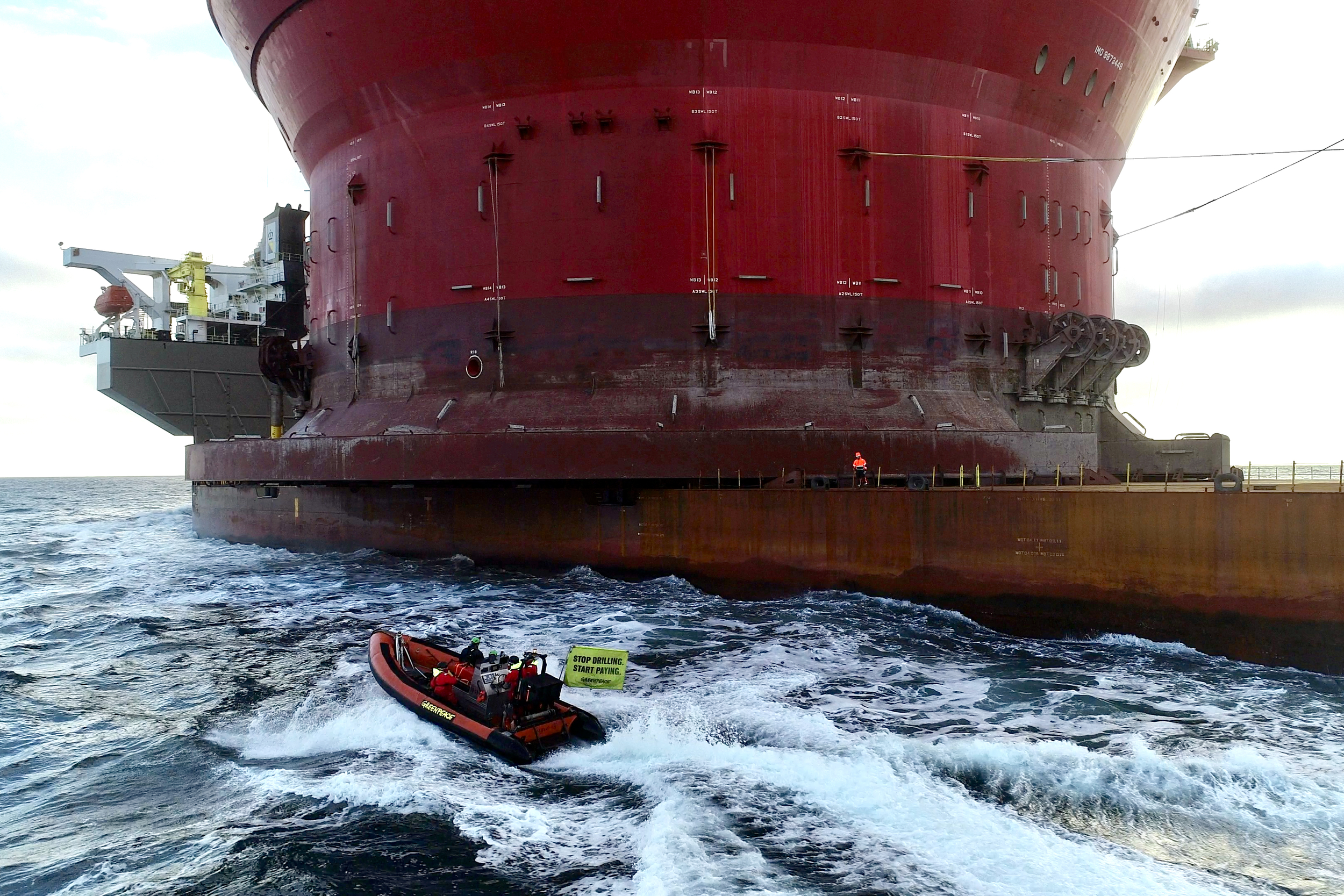
- Our Stop Drilling, Start Paying messaging was repeated everywhere, from the BBC to The Mirror.
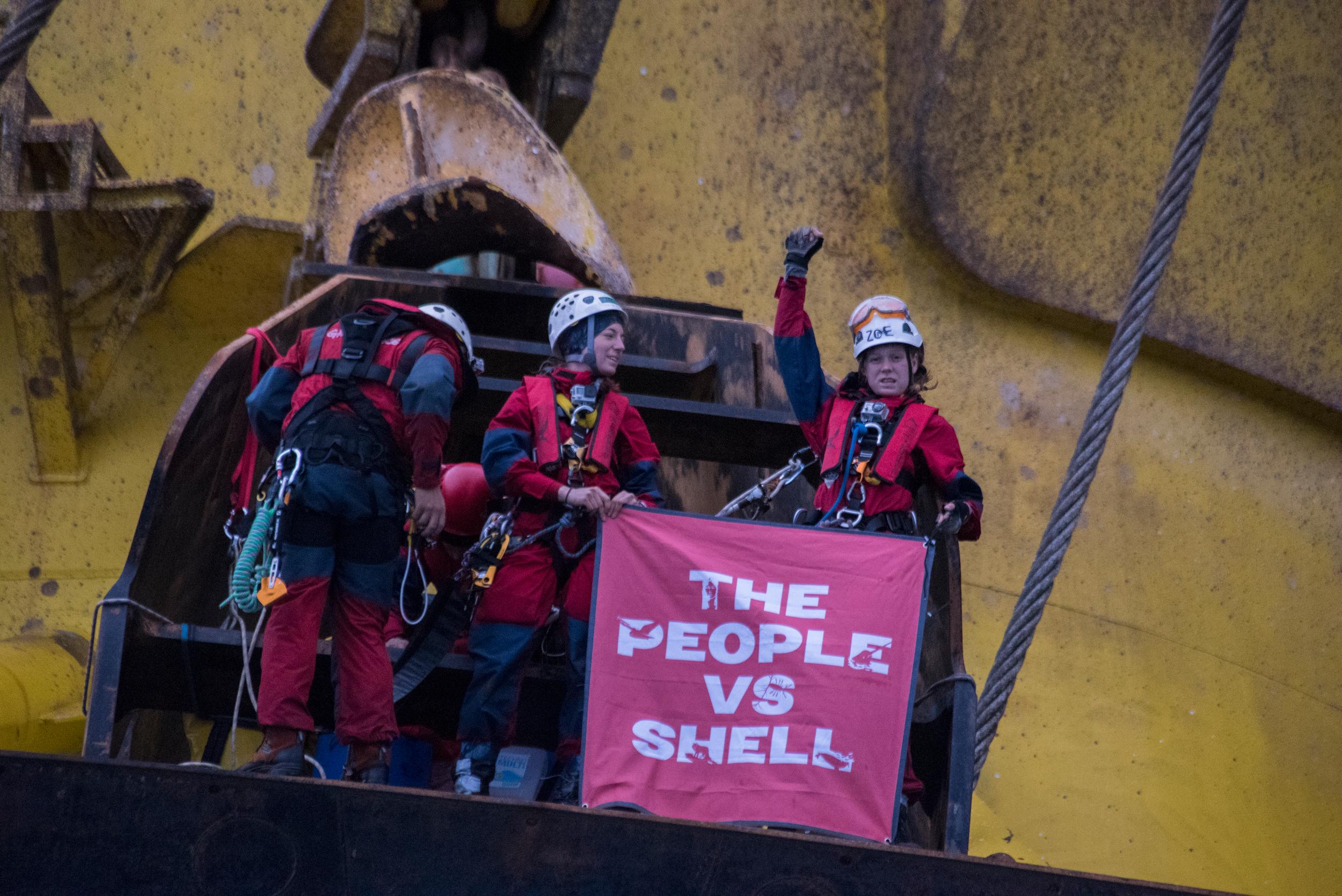
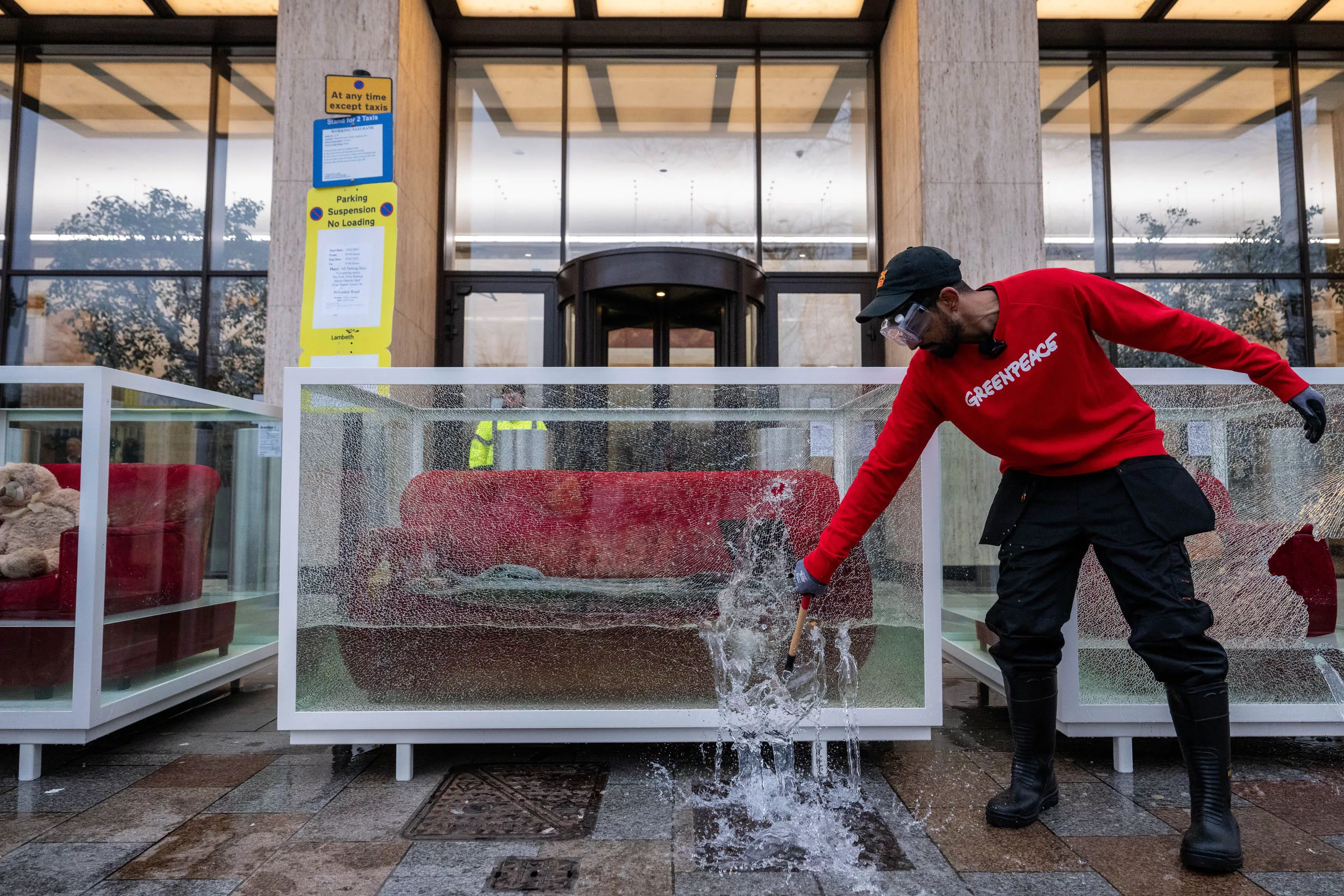
- In February, activists took a hammer to an ‘exhibition’ around Shell’s London HQ, displaying the once-cherished belongings of Filipino communities, wrecked by typhoons.
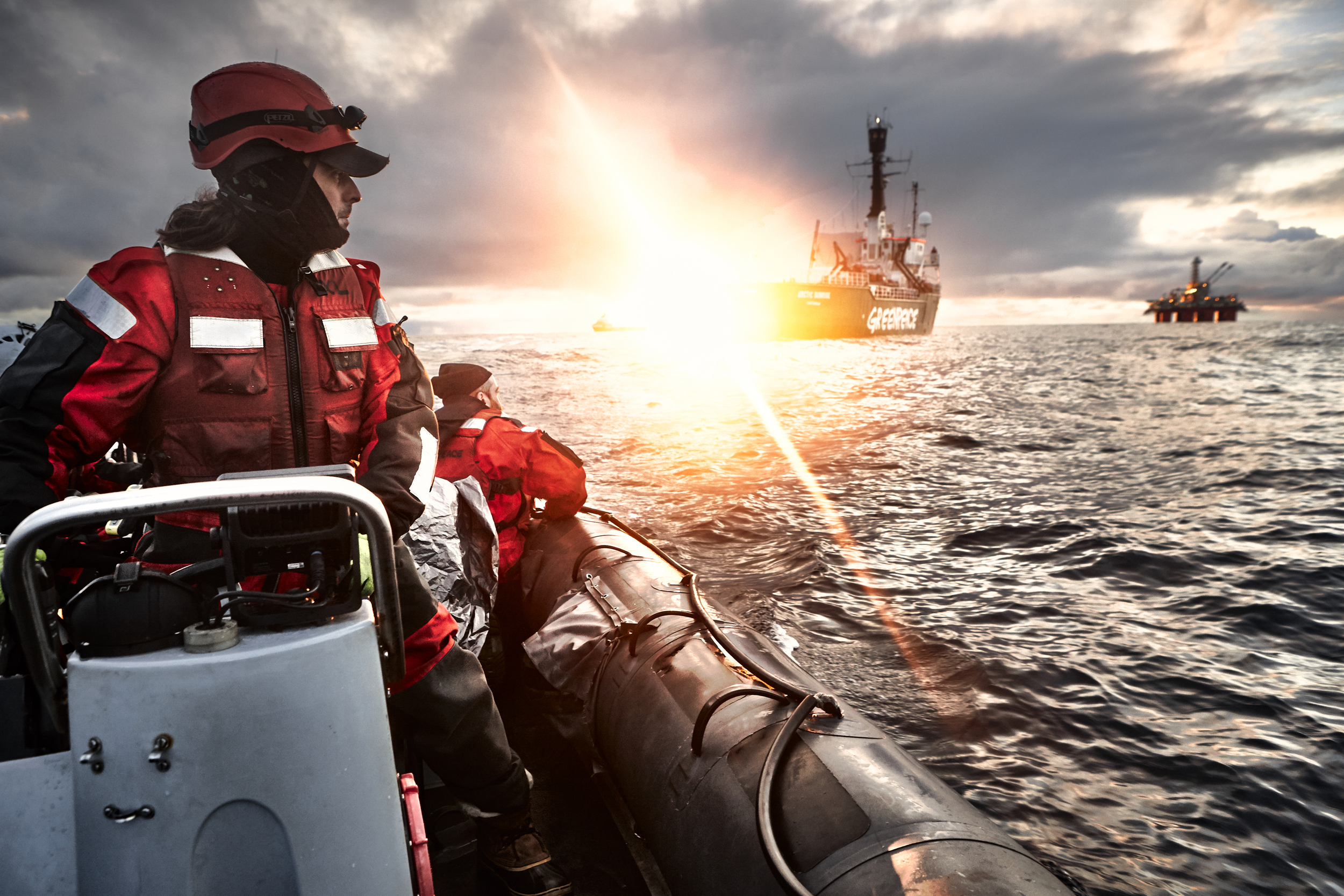
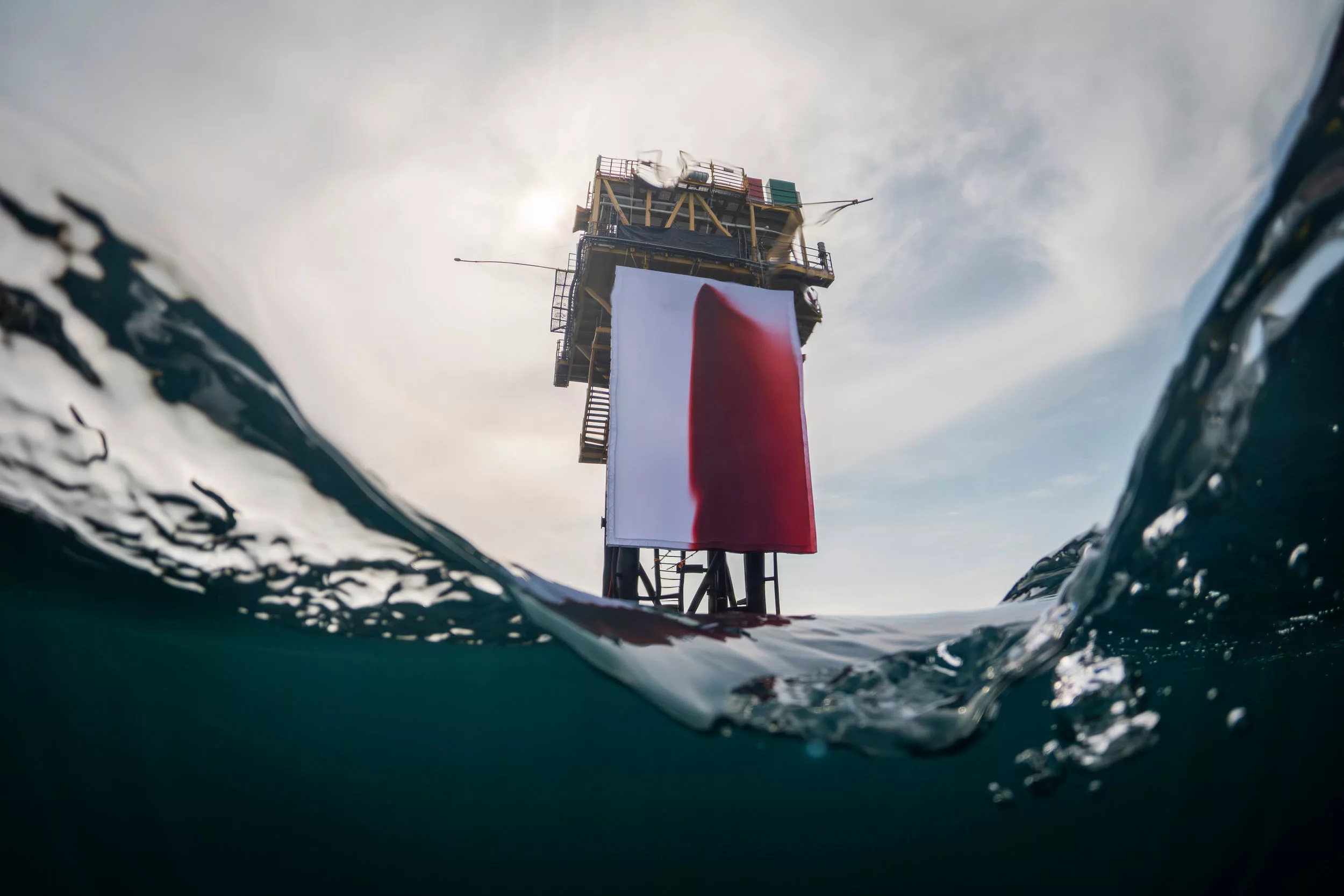
- In August, artist Anish Kapoor made headlines with BUTCHERED, an original artwork installed by Greenpeace climbers on a Shell platform in the North Sea. It shows a stain of 1,000 litres of blood-red liquid, to “reflect the butchery [oil companies] are inflicting on our planet”. Kapoor says he wanted to pay tribute to “the tireless activists who choose to disrupt, disagree and disobey”.
Oceans
A once-in-a-generation treaty becomes reality
The Global Ocean Treaty was agreed in 2023. But 60 governments had to sign it into law before it could take effect. So Greenpeace campaigners piled pressure on governments across the world in 2025.
At the start of the year, only 15 countries had ratified the Treaty – so we pushed politicians to up their ambition. Using petitions, media briefings and meetings with policymakers, we made our movement impossible to ignore.
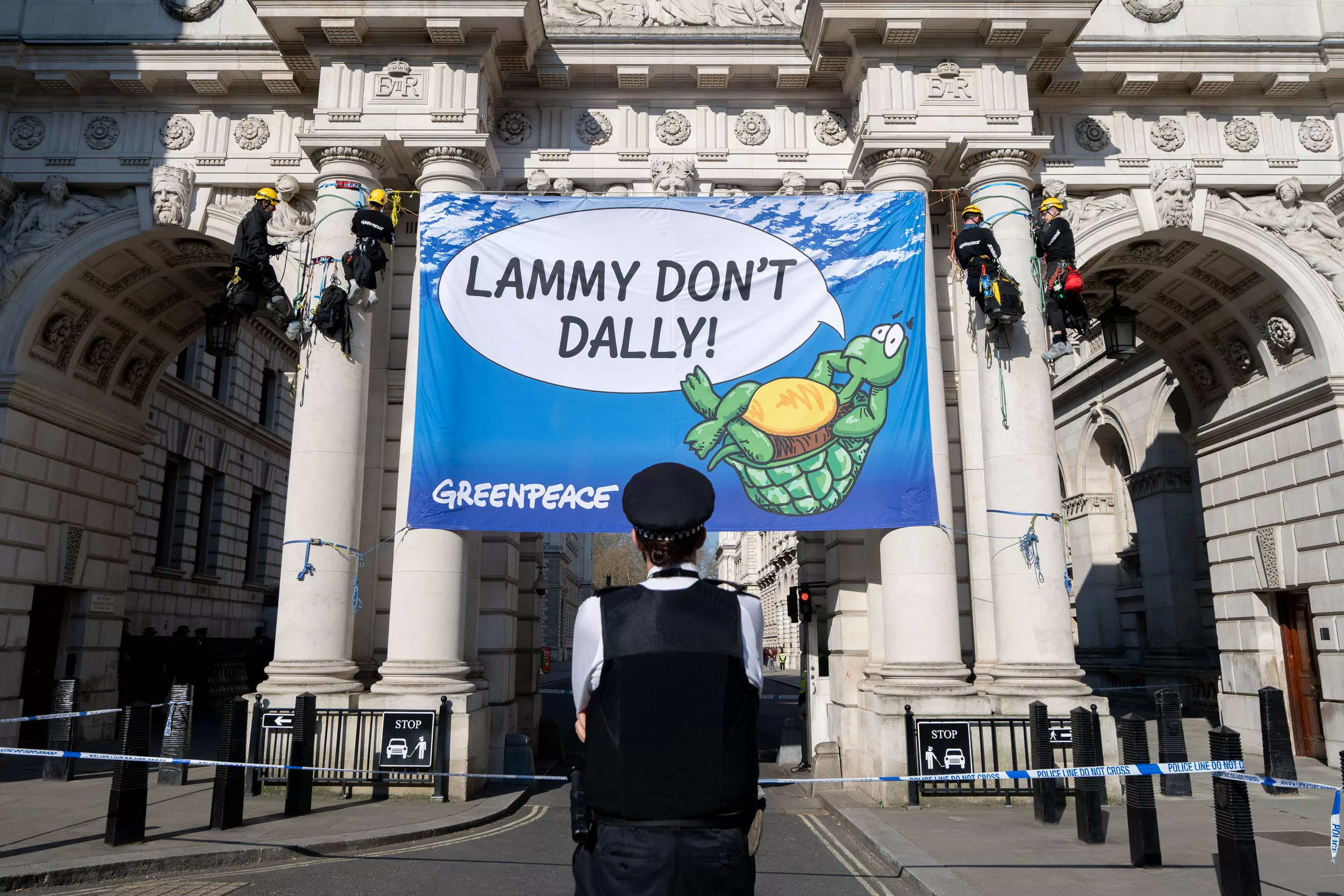
Nearly 40,000 people emailed ministers and Greenpeace climbers hung a ‘Lammy Don’t Dally!’ banner targeting the Foreign Secretary in Westminster.
By September, we hit the 60 countries threshold and the Global Ocean Treaty came into force in January 2026. This could create the largest network of ocean sanctuaries in history. And it could protect a third of our blue planet from harms like industrial fishing and oil drilling.
The UK was not one of the 60 countries, but it began the ratification process in September. Officials told us our campaign led to discussions at the highest levels of government. One MP said Greenpeace was the organisation that ‘never gave up’. Almost every MP who spoke in a debate in Parliament on the Treaty had been emailed by Greenpeace supporters.
Making protection count
After 13,000 supporters responded to the consultation, the government announced its plan to ban destructive bottom trawling in 41 UK ocean sanctuaries. And the ban on North Sea sandeel fishing – a 2024 Greenpeace win – was upheld in court, protecting a vital food source for vulnerable seabirds.
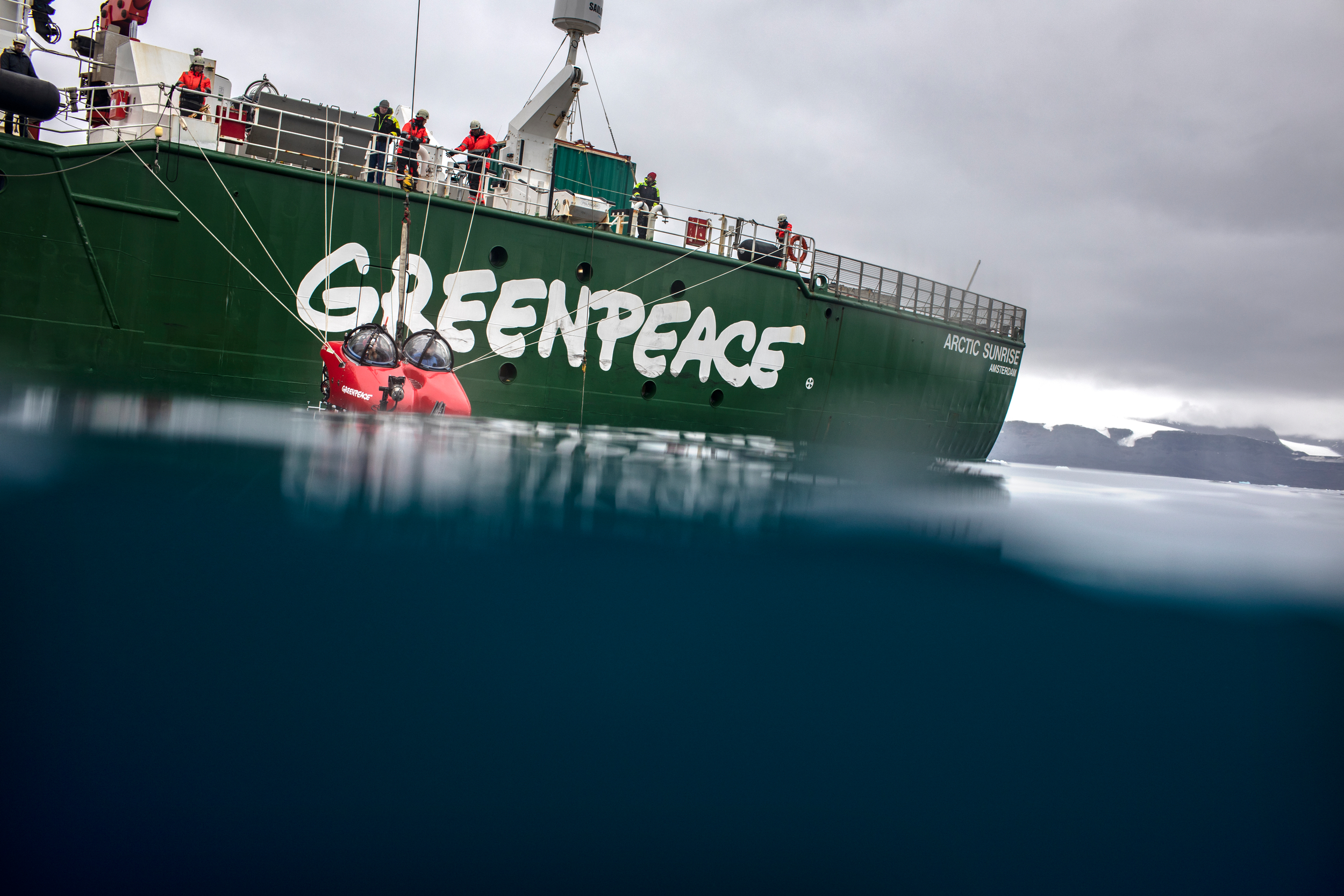
Our campaign against deep sea mining gathered momentum, too. 40 countries supported a moratorium by the end of the year. Research carried out from our ship, Arctic Sunrise, showed how iconic species like bottlenose dolphins would be at severe risk. And previously an industry cheerleader, Norway has ruled out mining in Arctic waters until at least 2029.
But with President Trump threatening to begin mining, this battle isn’t over.
Together, we’ll keep fighting for our oceans – and keep winning.
Plastics
Defiance in the face of corporate corruption
While negotiations for a Global Plastics Treaty stalled, we exposed plastic lobbyists and galvanised business leaders.
August’s Global Plastics Treaty talks were going to be the last, but due to the overwhelming presence of plastic lobbyists arguing against a reduction, it was a victory that talks ended without an agreement. That means we could go back to the table, rather than accepting a weak outcome.
With you by our side, we weren’t deterred by plastic polluters and their intimidation.
- Over 100,000 people signed our petition to ban fossil fuel lobbyists from the room.
- We published our research ‘Plastics, Profits and Power’. It reveals how seven companies produced enough plastic to fill 6.3 million rubbish trucks since they started lobbying against us in 2022.
- We handed our report to Inger Andersen, head of the UN Environment Programme, who agreed to meet with our negotiating team.
- Our campaign resulted in the Environment Select Committee choosing to focus on the Treaty, and they invited us to give evidence.
- MPs repeatedly cited our research as the government became one of 120 to block proposals for a weakened Treaty.
Driving business action
We continued to shift the narrative among businesses, too. 450 business leaders joined our Champions of Change initiative. After two years of pressure, Unilever publicly backed plastic production cuts and called for the Treaty’s Business Coalition to focus on reducing plastics. That’s a radical shift from their previous position.
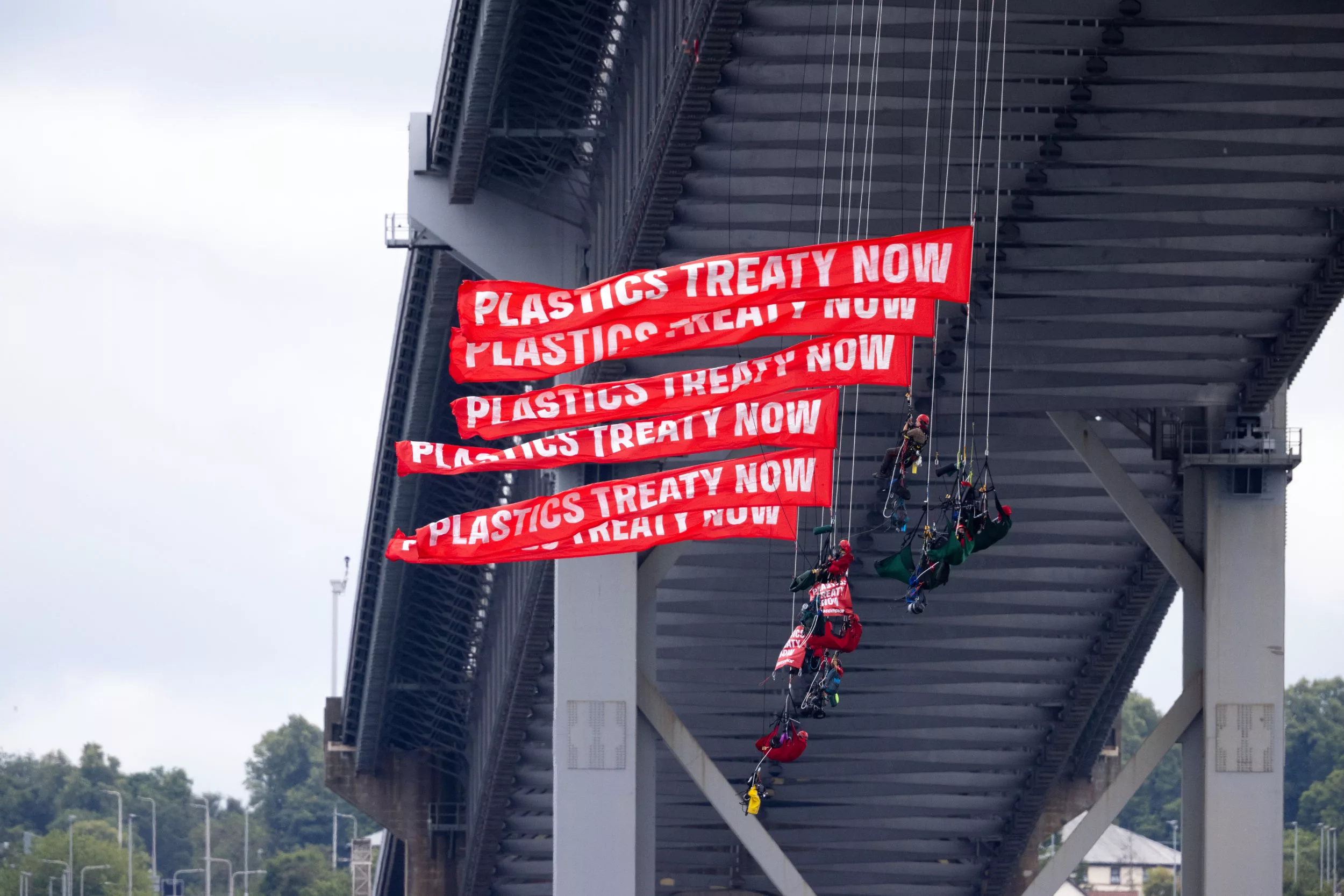
And we blocked an INEOS gas tanker from passing through the Forth Bridge. Together, we put the company’s bottomless appetite for plastic production in the global spotlight.
We won’t let corporations put profits ahead of communities, Indigenous rights, nature or our climate.
Forests
Exposing the forest destroyers for all the world to see
In 2025, the fight to stop agriculture and livestock companies profiting from forest destruction was as urgent as ever.
The year began with a huge effort to stop the world’s largest industrial meat producer, JBS, from listing on the New York Stock Exchange.
Greenpeace Brazil disrupted JBS’ AGM with a dossier exposing the company’s deforestation, corruption, and emissions. Greenpeace International warned shareholders that JBS’ expansion plans could break Dutch corporate law, as JBS planned to move to the Netherlands.
Thanks to our collective work, a group of US senators called for JBS’ application to be rejected. Plus regulators, shareholders and investors all raised concerns. In the end, the Stock Exchange listing passed by a slim majority. But it attracted global attention and ensured JBS could not shrug off accusations of environmental destruction.
Calling for bold forest action at COP
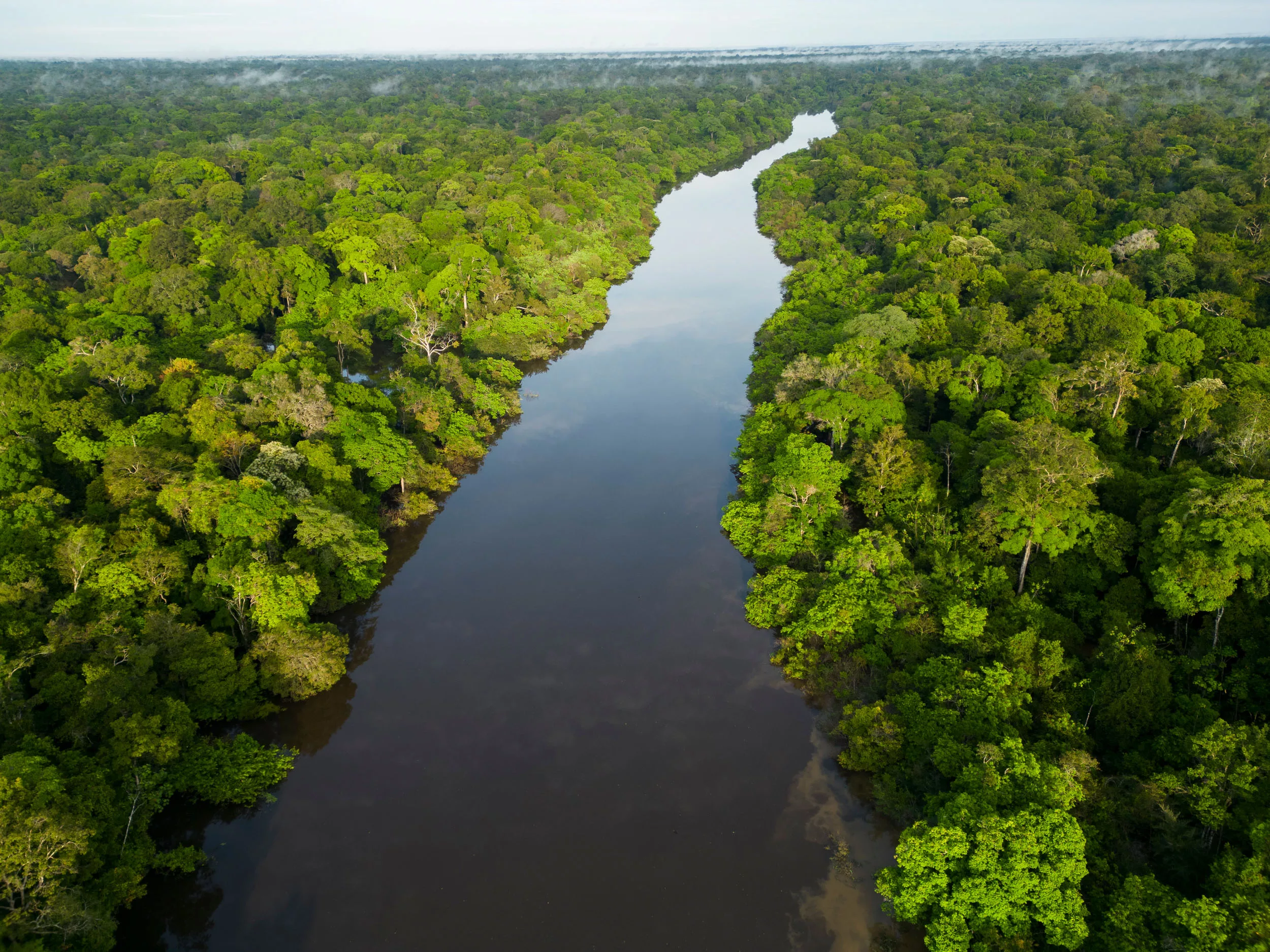
At 2025’s COP climate conference in Belém, Brazil, we continued to call out JBS. Our film ‘Respect the Amazon’ asked “Are you with the bulldozers or the defenders?”. And we flew journalists over the Amazon to report on the scale of destruction. This prompted political debates around the lack of accountability for companies like JBS.
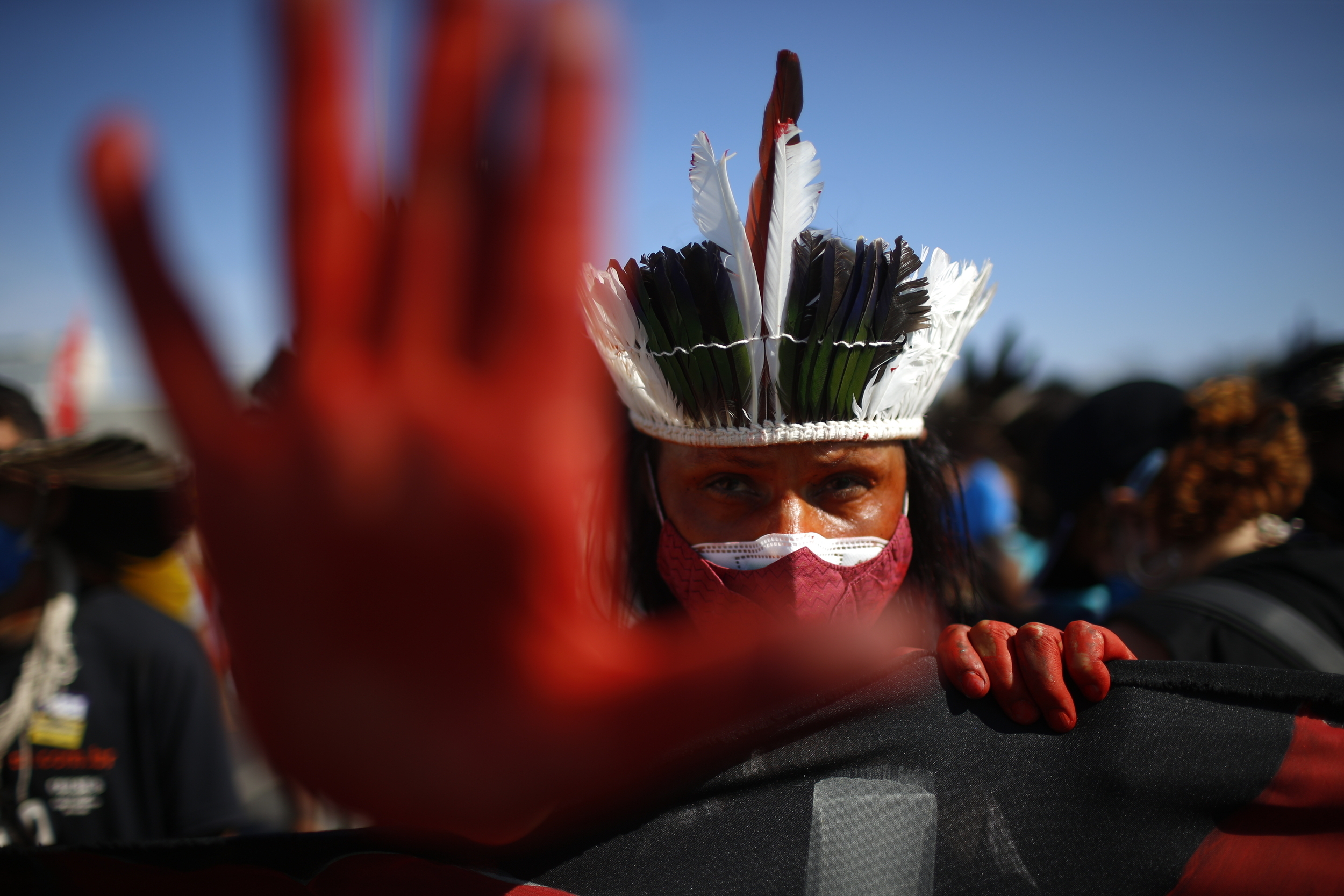
Javier Bardem joined us to demand a roadmap to end deforestation, alongside more than 90 countries including Brazil’s President Lula. No roadmap was agreed – but our pressure helped secure funding for a new financial mechanism to protect tropical forests and Indigenous Peoples’ land rights.
Throughout 2025, we raised the alarm to protect precious forests before it’s too late.
Global wins
From courtrooms to communities, Greenpeace affiliates delivered profound change around the world in 2025.
Global
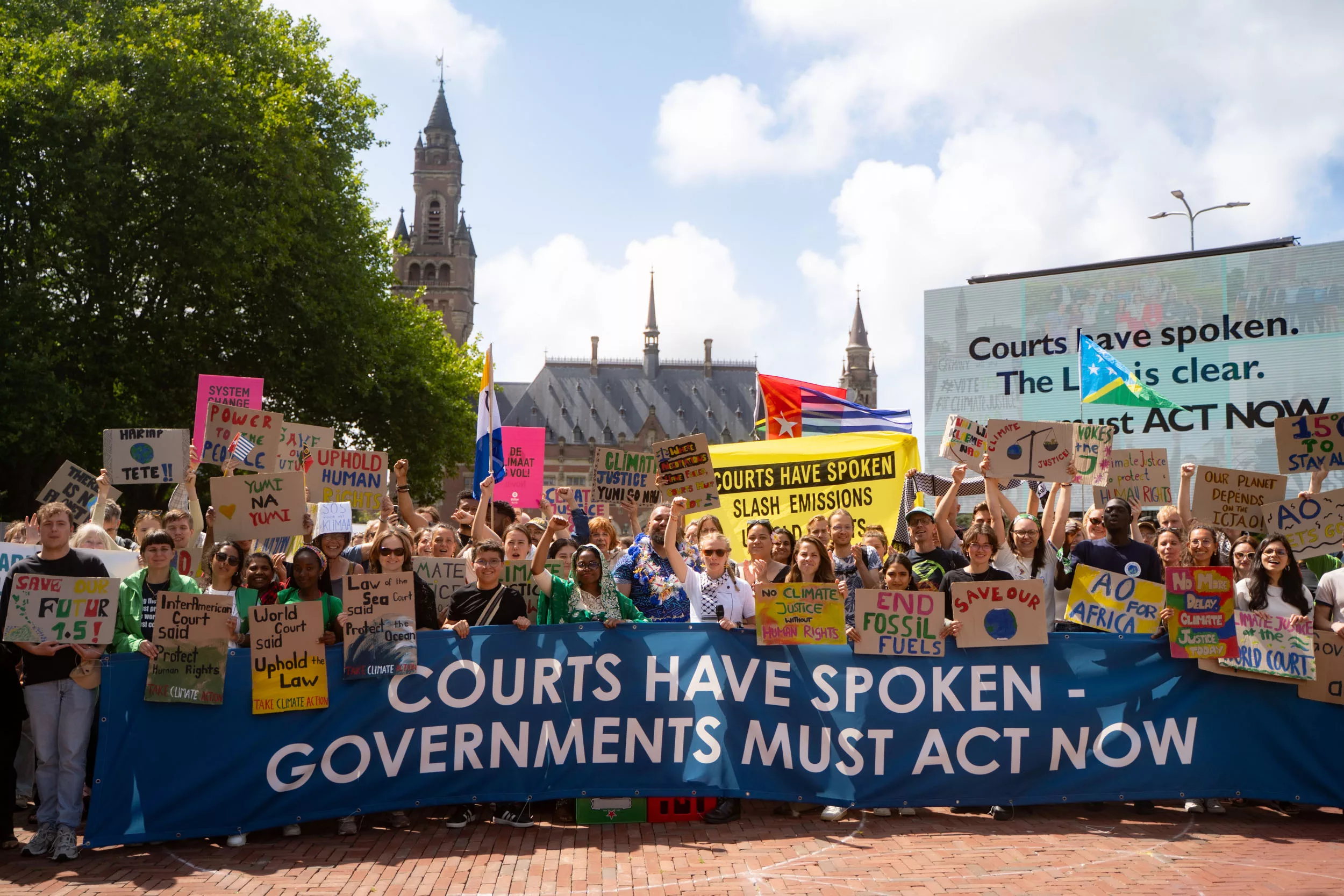
After years of campaigning, a landmark case in the International Court of Justice (ICJ) paved the way for a new era of climate accountability. The ICJ found that countries have a responsibility to regulate businesses to prevent climate harm. This could allow countries hit by the climate crisis to demand reparations from corporations.
France
In October, a Paris court issued a landmark ruling against TotalEnergies’ greenwashing. Working with partners, Greenpeace France challenged the oil giant’s claim to have ‘climate at the heart of its strategy’. The court found that TotalEnergies’ claims were likely to mislead consumers.
Indonesia
Greenpeace Indonesia launched a campaign to stop nickel mining in Raja Ampat – one of the most important areas in the world for marine biodiversity – collaborating with Indigenous and local peoples in West Papua.
Following research into the threats, direct action, lobbying and a petition, the Indonesian government revoked four out of five active mining licences.
Australia
After 15 years of campaigning, the government agreed to a package of reforms for nature. Our campaigners engaged with the government, mobilised supporters, and collaborated with scientists.
Together we won an independent environment watchdog and stronger penalties for destructive corporations.
Kenya
Alongside Kenyan farmers, Greenpeace Africa celebrated a groundbreaking legal judgement which legalised seed sharing among farmers.
For years, farmers faced jail or fines for selling or sharing unregistered seeds. This criminalised ancestral practices and handed control of the food system to corporations. The ruling is a victory for food security and food rights.
Spain
Following pressure from Greenpeace Spain, the government announced a new transport pass covering some commuter services. This is a major win in the campaign to increase use of public transport.
Campaigners are now pressing for a pass covering all local, regional and national routes. Spokesperson Cristina Arjona said: “We are demonstrating that it is possible to fight climate change with measures that make people’s lives easier”.
Time to resist
Standing firm against attacks on our rights
In 2025, we saw direct attacks on the climate movement and peaceful protest.
- Greenpeace entities in the US and Greenpeace International were in court facing Energy Transfer, a fossil fuel pipeline giant led by one of Trump’s top donors. This is the biggest legal threat in our history, and is part of a wave of abusive lawsuits filed by Big Oil against Greenpeace.
- A North Dakota jury found Greenpeace International and Greenpeace entities in the US liable for hundreds of millions of dollars. The judge rejected parts of the verdict in early 2026, but awarded Energy Transfer $345 million. The fight against Energy Transfer’s meritless lawsuit continues – and it is far from over.
- At the same time, President Trump dismantled environmental protections. That includes pulling the US out of the Paris Climate agreement, ending investment in clean energy and opening Alaska to oil drilling.
Powering protest worldwide
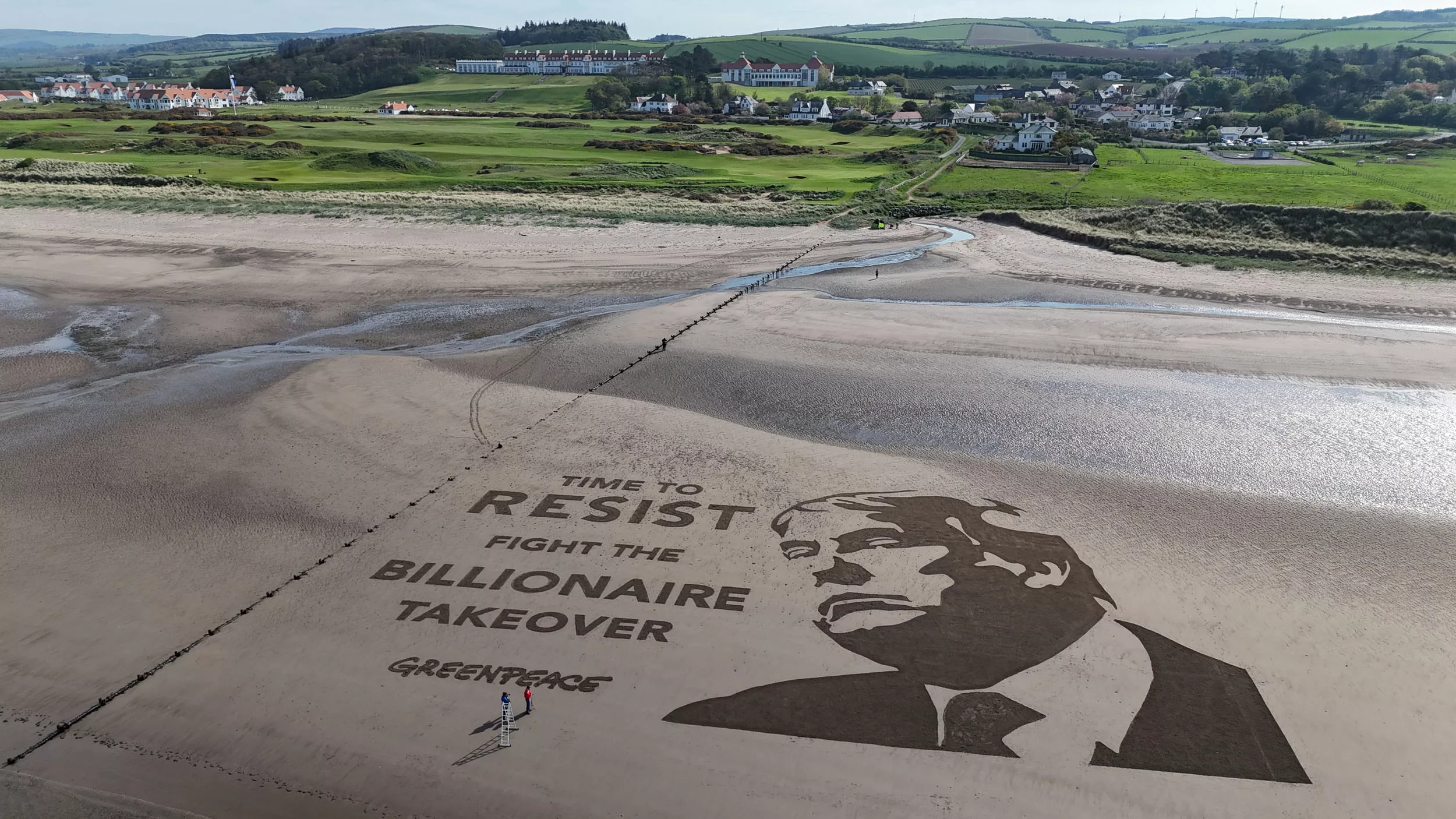
The Greenpeace network launched a global campaign to oppose the billionaire takeover. In the UK, activists created protest artwork on the beach outside Donald Trump’s Scottish golf course. We projected a ‘Time to Resist’ message on Tower Bridge in London. And we surrounded the US Embassy with adverts. From Svalbard to San Francisco, our movement mobilised.
In every corner of the world, millions of us are fighting environmental polluters. We will not be silenced.
Right to protest
When the threat to protest grew, we only grew louder
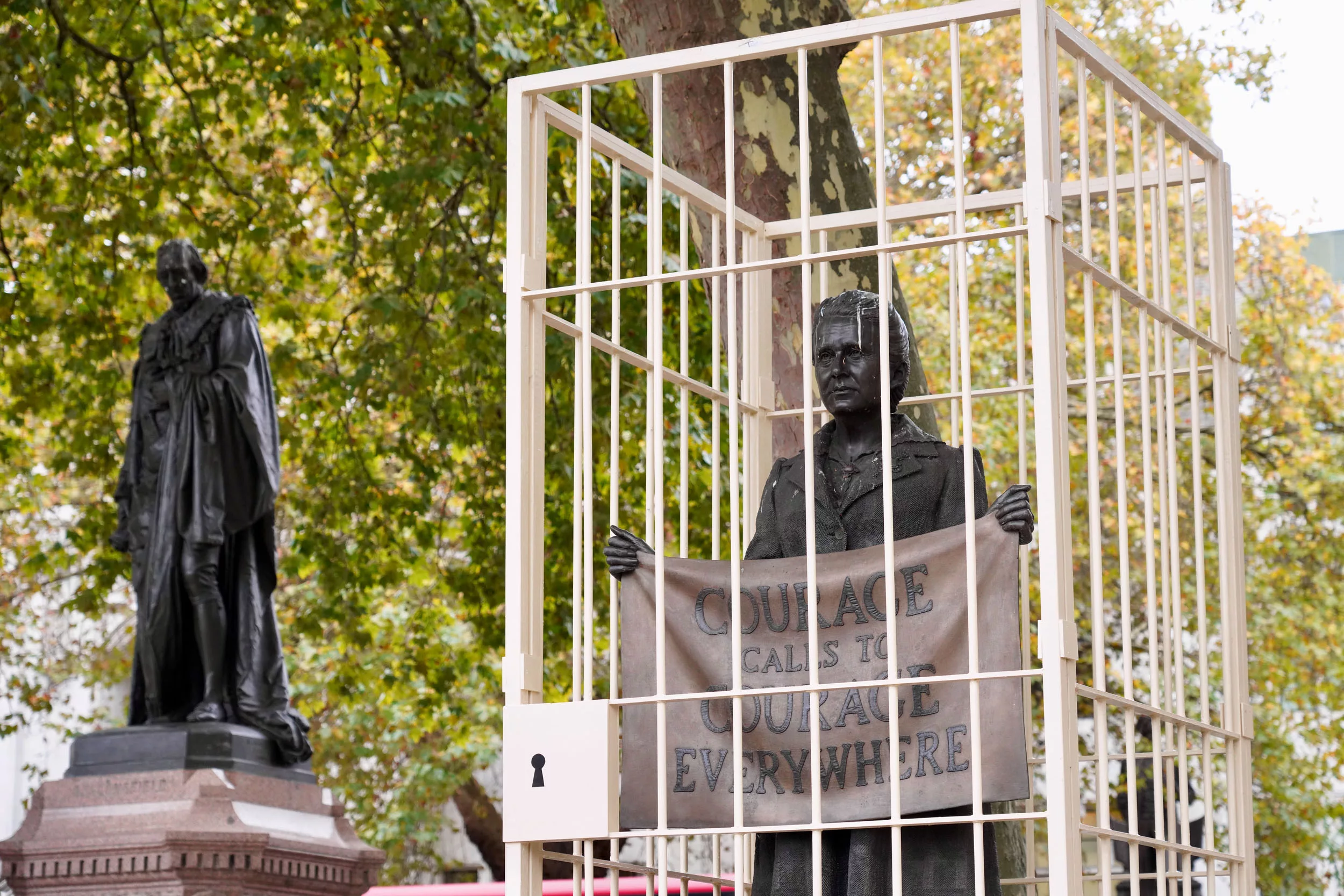
In Parliament Square, Millicent Fawcett, Mahatma Gandhi and Nelson Mandela’s statues found themselves behind bars. We pulled this stunt to highlight an unsettling truth. If these pioneering protestors took action today, they could end up in jail thanks to the UK’s anti-protest laws.
From fracking to whale hunting, peaceful protest has helped us achieve landmark progress. But new laws have a chilling effect on protest and activists are receiving unprecedented prison sentences. So we united to make clear that protest is not a crime.
Our message to millions
Together we brought activists’ stories to the streets of Birmingham, London and Manchester. We received £100,000 of free media space, so we made billboards featuring protestors who have campaigned on issues from plastics to Palestine.
The campaign generated awareness of the value of protest – and of the threats it faces. A million people saw the billboards in person, and another million saw them on Instagram. The campaign got covered everywhere, from the Guardian to Sky News.
Our Unearthed journalists also used Freedom of Information requests to show that only 3% of public nuisance arrests result in charges. We wrote to the Home Secretary with our concerns about the threat to protest, and boosted our petition to over 250,000 signatures.
The right to protest affects everyone. We’ll keep fighting to ensure our rights are restored and protected.
Unearthed investigations
Laying bare the secrets polluters don’t want you to know
Investigations by our award-winning journalists put governments and companies on the defensive again this year.
- We revealed how UK water companies were panicking at the threat of increased regulations on the use of sewage sludge as a farmland fertiliser. A clampdown would leave them with millions of tonnes of toxic waste to get rid of. Water bosses were considering how to pass costs onto the public. A month later, our investigation was used in a report by the government’s Independent Water Commission. And by the end of the year, the government had committed to hold a consultation on sewage sludge regulation.
- Unearthed’s report on how Reform’s support for fracking would impact its target seats was praised at the Labour conference for showing how we can bring the fight to the populist right.
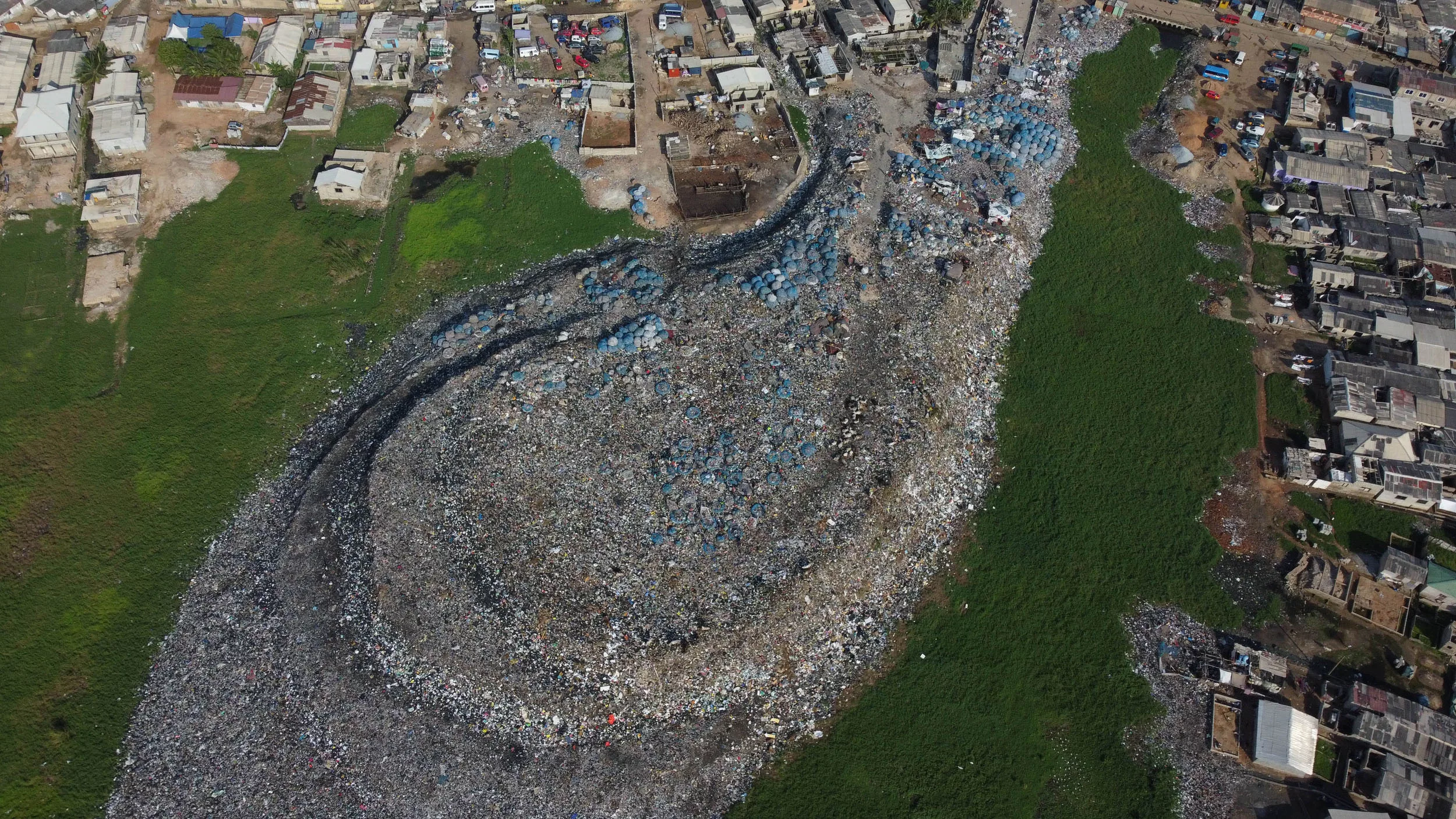
- Our video on fast fashion waste dumps in Ghana was watched over a million times in 2025. This proves how far and wide our stories can spread.
Playing the long game
We also saw the long-term impact of investigations from previous years.
- The UK government announced it would extend a ban on peatland burning. This followed a 2022 Unearthed investigation, which uncovered failings in the peatland burning ban.
- The French Parliament passed a law that means companies can no longer export banned pesticides for use overseas. This closes a legal loophole we documented in 2024.
- And Reporterre, the French media outlet, reported that oil giant Total had abandoned its so-called carbon offsetting project in the Democratic Republic of Congo. This came after we revealed in 2022 that Total was evicting people from their homelands to support offsetting projects.
Our movement has always known that uncovering hidden truths drives action.
Science
Science is one of our greatest weapons – and it’s working
The Greenpeace Research Laboratories have been at the core of our work for almost 40 years. Our lab’s evidence played a decisive role once again in 2025.
Exposing deep sea mining’s risks
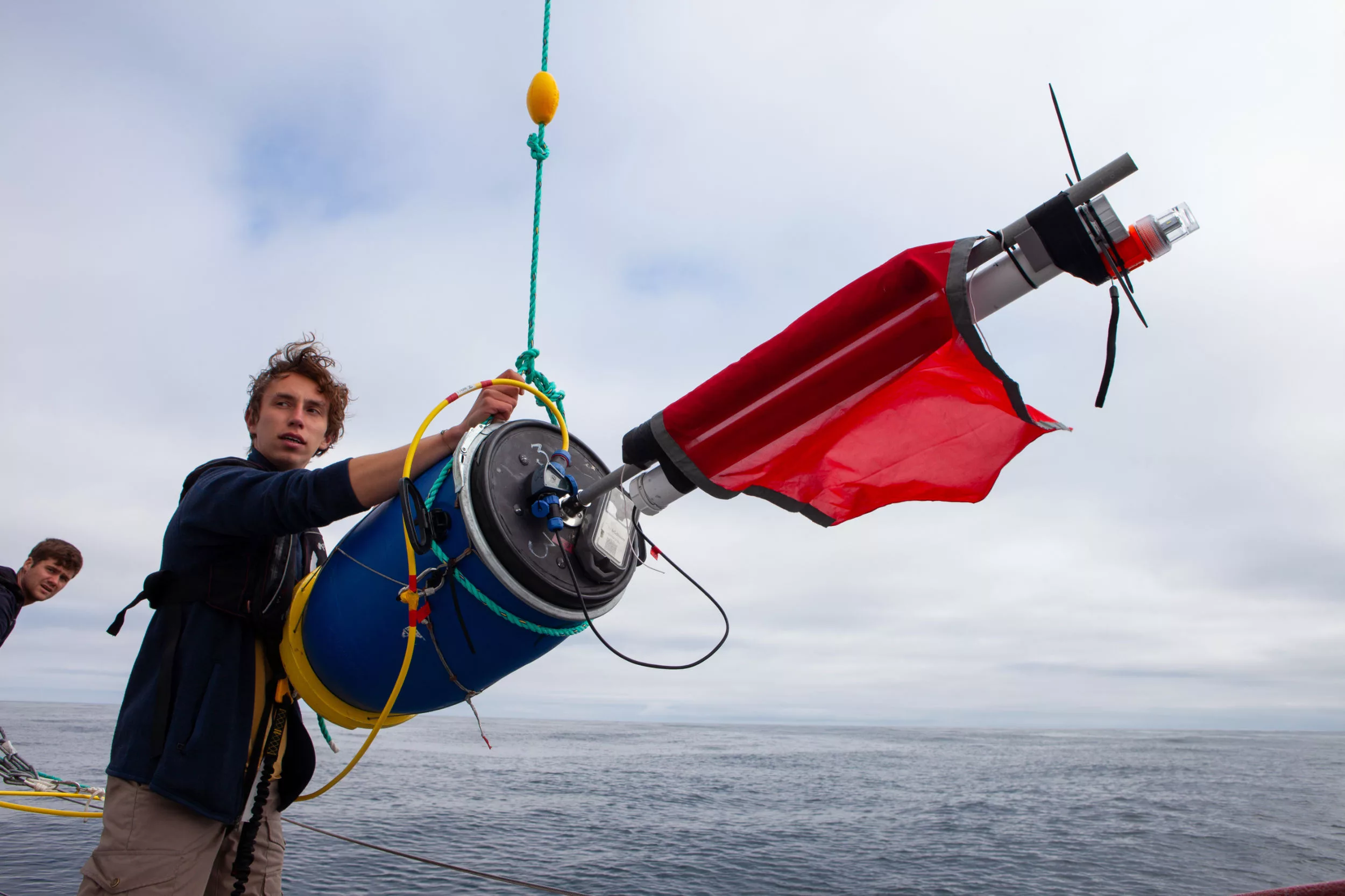
Our Science Unit helped carry out surveys of areas of the Arctic which are being considered for deep sea mining. Using pioneering technology, researchers identified whale populations that would be particularly affected by noise pollution.
Preventing offshore dumping
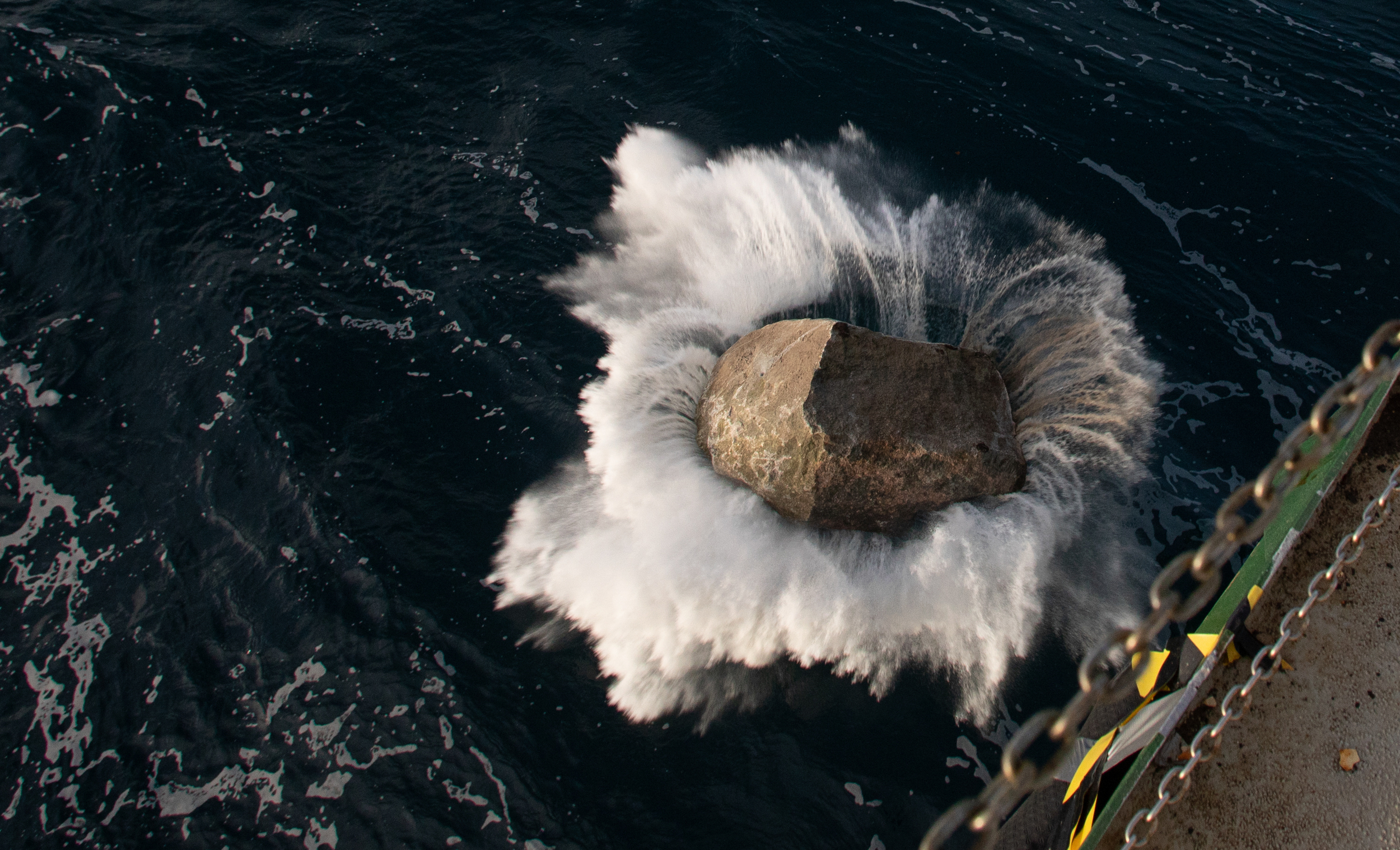
We helped win a commitment from all North East Atlantic region governments to set deadlines for oil and gas companies to remove their waste from the seafloor. This included the threat of tighter regulations unless we see major progress in the next three years. States made it clear: the sea must not be a dumping ground for oil and gas infrastructure.
Securing global action
Our experts helped create a new UN policy body on chemicals, waste and pollution. That means we now have bodies to tackle the three main crises facing our planet. That’s the plastics and chemical waste crisis, the climate crisis and the crisis facing nature.
Debunking false solutions
We’ve pushed for strong regulations on risky and unproven ‘geoengineering’ schemes. This includes unverifiable ‘carbon removal’ projects. In 2025, we took part in more than 20 meetings to bring evidence to global negotiations on the topic. More than 100 countries agreed on a strong statement on the threats posed by marine geoengineering, especially in the Global South.
Bringing science to the negotiating table makes our case for the climate undeniable.
Allyship and anti-racism
Dismantling power structures that hold us back
In 2025, we worked to build the social justice movement worldwide.
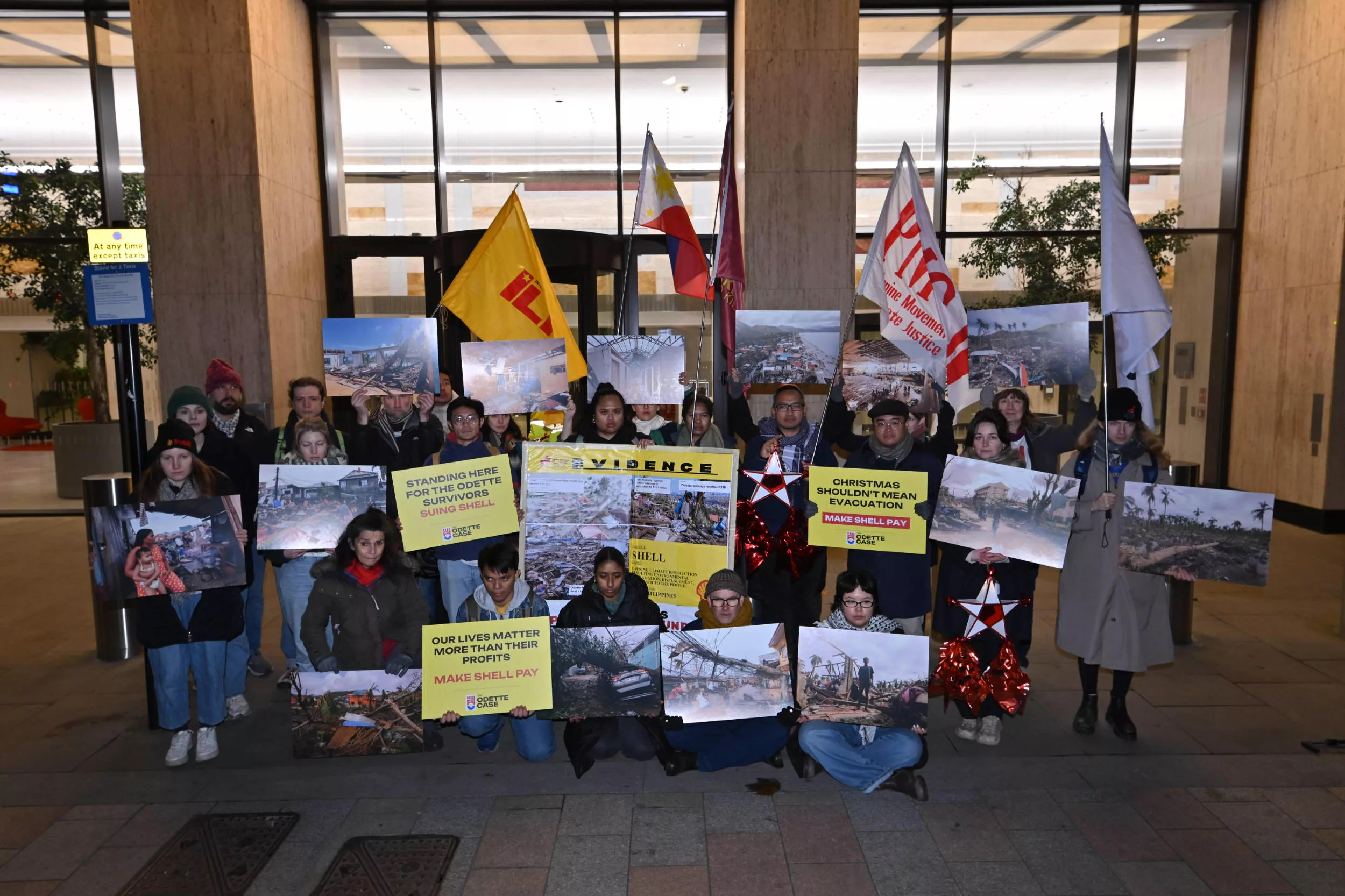
- We hosted 31 grassroots groups at our Open Workshop Community Space. Groups who focus on issues like refugee rights and safer streets used our space to connect, access resources, and prepare for protests.
- We funded seven young climate activists to travel to Brazil for the UN climate conference, so more diverse voices could be heard.
- We funded campaign groups working for climate justice, disability justice, racial justice and LGBTIA+ rights.
Solidarity is in our DNA. We will help make the demands of our allies impossible to ignore.
Inclusive by nature
We continued to embed anti-oppression, equity, diversity and inclusion across Greenpeace. This is so they become second nature.
This year, we published our Inclusion Project Findings report. The report uses interviews, surveys and analysis to understand how inclusive Greenpeace feels. It revealed our need to confront norms and behaviours that leave people feeling excluded, so everyone can thrive at work.
Our award-winning representation targets remain a priority. Our aim is for 38.3% of Greenpeace UK colleagues to identify as people of colour by 2030, in line with London’s workforce. This reflects our commitment to represent society and shift power to marginalised communities.
We are making strides towards our target, with 24% of Greenpeace UK colleagues identifying as people of colour. This intentional growth must – and will – continue.
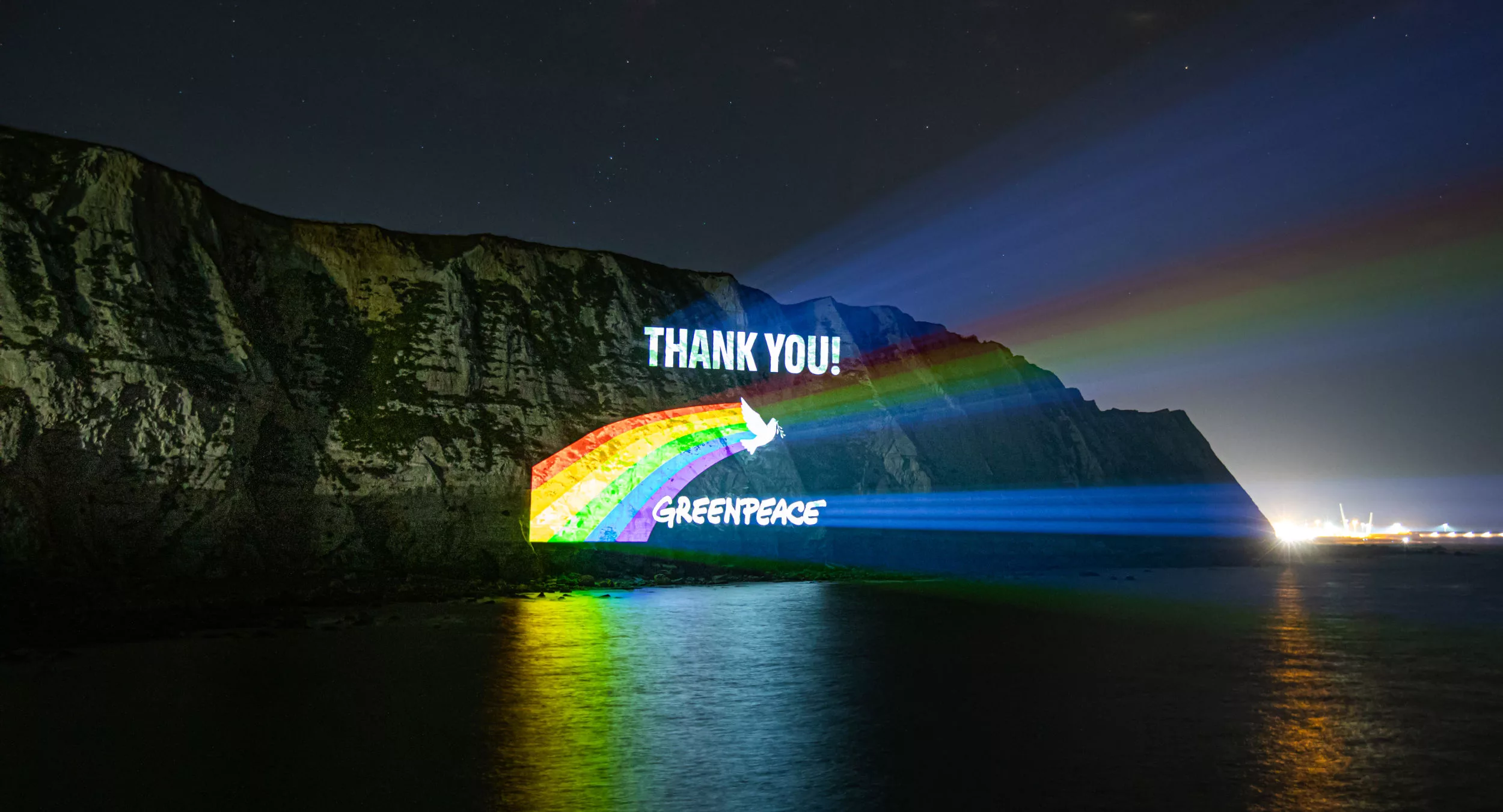
Funding our mission
Supporters like you are at the heart of everything we achieve together
At a time when many organisations are fighting to stay afloat, your donations helped deliver historic victories for our climate and oceans. And alongside financial support, you created the noise that made our arguments and campaigns cut through.
A heartfelt thank you to the significant funders and donors who continue to be with us. Without you, none of this impact would have been possible.
A special mention must go to the 171 people who remembered Greenpeace in their wills in 2025. This made up a staggering fifth of our income. Gifts in wills power our progress. And for our supporters, they are a final act of protest.
To all our supporters: whether you made a donation, a pledge in your will, or supported a campaign – all the successes in this report are yours. Thank you.
Where our money came from (£,000)
| 2025 | 2024 | |
| Subscriptions and donations from supporters | 27,241 | 27,802 |
| Grants | 3,044 | 3,132 |
| Legacies | 7,366 | 5,823 |
| Events | 633 | 703 |
| Other | 602 | 587 |
| Total income | 38,886 | 38,047 |
What we spent it on (£,000)
| 2025 | 2024 | |
| Campaigning | 12,116 | 12,487 |
| Campaign and supporter communications | 6,305 | 6,076 |
| Actions, investigations, outreach and events | 5,427 | 5,130 |
| Grants for international projects | 9,063 | 7,271 |
| Fundraising | 6,943 | 6,186 |
| Total expenditure | 39,854 | 37,150 |
Thank you Glastonbury
Greenpeace has been at the heart of Glastonbury Festival for over 30 years – as a charity partner and beacon of environmental activism and creative energy. We want to thank the Eavis family and the wider festival team for their incredible support.
The connection between Greenpeace and Glastonbury has run deep for decades, and last year was no different.
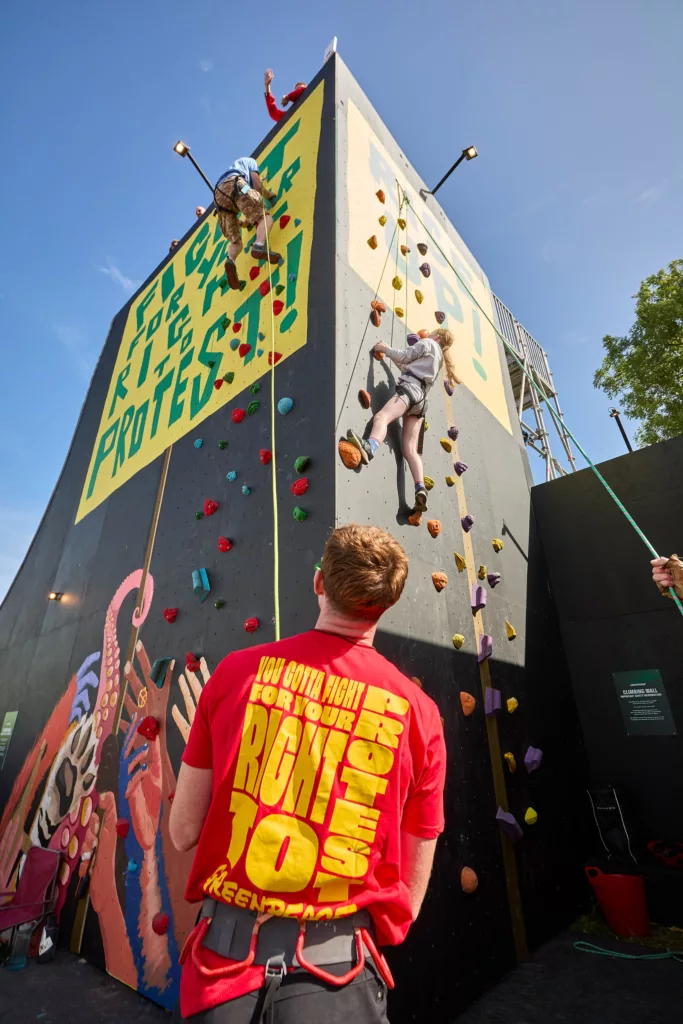
The Greenpeace Field brought Letters Live to Glastonbury for the first time, welcoming famous faces including Benedict Cumberbatch, Paapa Essiedu, Ambika Mod and Kae Tempest to read letters from history to an audience hanging on their every word. Our Apocalypse Museum/Hellbus showed the future we have to avoid. And Mikaela Loach and Venetia La Manna were among the guests who joined us for a series of fascinating onstage climate debates.
All that, along with the usual Greenpeace Field experiences – live music, the iconic DJ rave tree, our climbing wall, skate ramp and eco warm showers – ensured it was another unforgettable year. And at the heart of it was the chance to broadcast our campaigns to a global audience and engage thousands of festival-goers with our Right To Protest campaign and our call on Big Oil to Stop Drilling, Start Paying.
Together for a better future
Since 1992, Glastonbury has been one the biggest supporters of our campaigns, including a generous donation in 2026 while Worthy Farm takes a year off. The festival team also works with us every year to get our messages across to the widest possible audience. We’d like to thank Glastonbury, the Eavis family and the wonderful festival team for its dedication to our fight for a fairer and greener future.
The power of postcodes
Throughout 2025, players of the Postcode Lottery created the kind of impact you can read about throughout this report. The flexible nature of their funding helps Greenpeace plan for the future and respond to the biggest challenges facing our planet.
For the past eight years Postcode Lottery players have generously supported a wide range of charities, including Greenpeace. The depth, strength and length of our relationship sustains us as we work towards achieving our mission to halve emissions and restore biodiversity by the end of this decade, in a fair and equitable way.
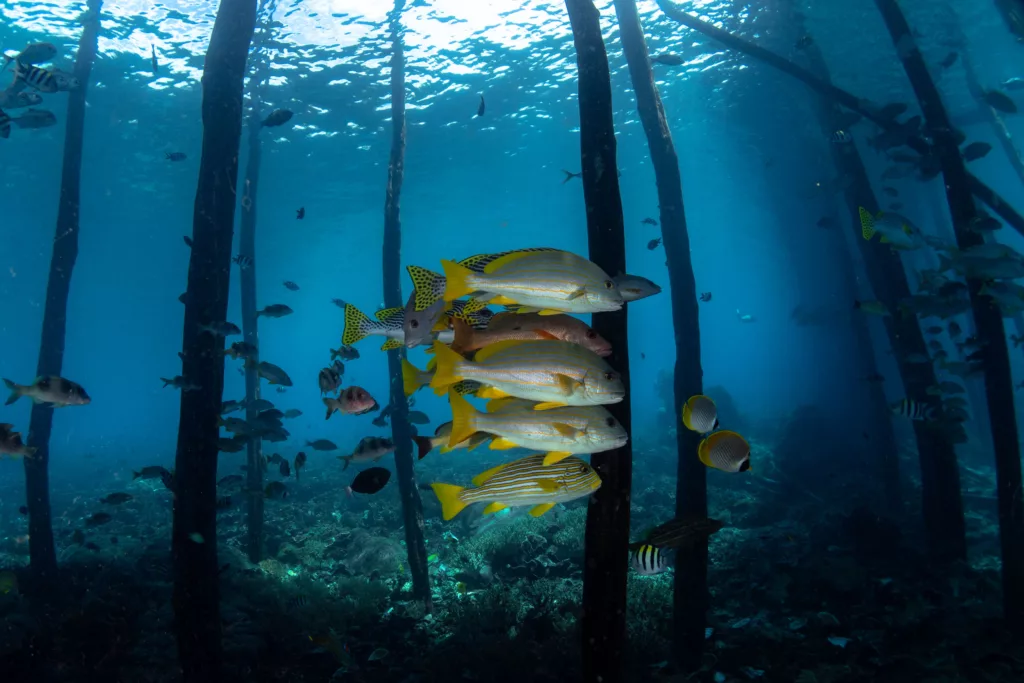
Player funding helps us champion the solutions we need to live sustainably on this planet, so that we can all call it home for generations to come. Solutions like winning a historic UN Global Ocean Treaty. Funding raised by Postcode Lottery players has supported Greenpeace to work alongside coastal communities, scientists and others over many years, to secure a framework to create vast ocean sanctuaries. Once implemented, they will protect 30% of the world’s ocean from destructive industrial fishing and oil drilling, so our ocean can recover and thrive.
That’s good news for wildlife and food security for billions of people.
Funding raised by Postcode Lottery players is unrestricted, a truly progressive approach which puts total trust in our strategy. It means we can make progress towards our mission but also respond rapidly when new threats emerge. This is all the more important as Greenpeace does not take funding from any government or corporation and relies entirely on individuals, trusts and foundations.
We would like to say a special thank you to players of Postcode Lottery for their vital part in our impact in 2025.
“We’re known by the quality of the charities we work with. They have to have a track record of delivering impact, and we have a responsibility to make sure that the funds raised by our players go as far as they can in making a significant difference.” Will Humpington, Postcode Lottery
A special thank you
As the pressures on our planet keep growing, your support makes the progress in this report possible. We would love to acknowledge the following individuals and organisations for their generous contributions in 2025:
- Adam & Jessica Sweidan
- Brian Mercer Trust
- Carol Hawkins
- Catherine Hovaguimian
- Domenico Iuliano & Paola Rigamonti
- Emily Feldberg & Elizabeth Atkinson
- Energy Transition Fund
- Esmée Fairbairn Foundation
- European Climate Foundation
- Fondation VRM
- Graeme Brooks
- Greg Jackson
- Henocq Law Trust
- James Arnell
- John Peck & Bindy Saywood
- Katherine Roper
- Keith Clarke CBE
- L. Moon
- Levine Family Foundation
- Lulu Al-Sabah
- Matthew & Audrey Lawfield
- Mick Braddick
- Mike Weightman
- Miranda Splitt
- Nick & Annette Razey & family
- Oceans 5, a sponsored project of Rockefeller Philanthropy Advisors
- Paul Marsh
- Postcode Lottery
- Phil White
- Reed Family Foundation
- Richard Coates
- Roger de Freitas
- Roger Ross & all at Lots Road
- Stephen Brenninkmeijer
- Susan Francis
- Tahir Sharif
- The Adlard Family Charitable Trust
- The Eavis family and Glastonbury Festivals
- The Fraxinus Charitable Trust
- The Frederick Mulder Foundation
- The Hugh Symons Charitable Trust
- The Makin Family Trust
- The Moondance Foundation
- The Pauline Meredith Trust
- The Peter Smith Charitable Trust for Nature
- The Sunrise Project
- The Underwood Trust
- The Waterloo Foundation
- Tim Yetman & Catherine Bryan
- Tinsley Charitable Trust
- Tristan Ramus
- Val Carlill
- VLM Foundation
- William R Kincaid
Gifts in Wills
We are honoured to receive gifts from supporters who include Greenpeace in their Will. We would love to pay tribute to the compassion and generosity of the following people:
- Martin John Agombar
- William Geoffrey Attwood
- Edna Battye
- Maryann Elizabeth Bird
- Philip Booth
- Piers Browne
- Margret Aithna Carey
- Rodney Guy Chapple
- Daphne Catherine Louise Clark
- M Clayton
- Richard Graham Coles
- Ruth Collyer
- Rosalind Mavis Conway
- Steven John Cook
- Robert Brian Cooper
- Rosalind Mary Cruickshank
- Louis Dominick Cuming
- Joan Amy Cushing
- Peter Dengate
- Alan Jackson Dorey
- Stephen Roger Duckworth
- Joyce Edmond-Smith
- Robert John Emery
- Patricia Favier
- Ahmed Foroughizadeh
- Stewart Greenwell
- John Arthur Hamlen
- Leila Mary Hammond
- Jean Ann Harris
- Colin Roger Harrison
- Elizabeth Mary Hayes
- David Maxwell Hesbrook
- Margaret Ann House
- Paul Alfred Hutchinson
- Susan Anne Jackson
- Vi James
- John Henry James
- Andrew Gardiner Jones
- Daphne Roberta Frances Kelly
- Bruce William Kensell
- Renee Kern
- Alice Kramer
- Marina Martin
- Lynn Middlemass
- Geoffrey Moore
- Simon Charles Newton-Clancy
- Tom Nicholson
- John Michael Oates
- Geoffrey Edward Oatley
- Barbara Linda Overton
- Elizabeth Enid Park
- Muriel Barbara Joyce Parsons
- Elizabeth Jane Prior
- Patricia Pye
- Judith Burgoyne Rattenbury
- Jane Dorothy Russell
- Elizabeth Scott
- Craig Austin Scott
- Leonard Harold Skinner
- Douglas William Tizzard
- Janet Toye
- Oscar Philip Clarkson Webb
- Michael Weeks
- Barbara Mary White
- Jacqueline Rose Whitlock
- Ann Rose Williams
- Ann Isabel Wilson
- Diane Wilson
- and 103 other supporters