- Article
A landmark victory for our oceans: the Global Ocean Treaty comes to life

Latest update
We did it! July 2026 marked a huge win for our oceans. The UK government has officially ratified the Global Ocean Treaty, formally committing the UK to be bound by the treaty and its terms.
The UK joins more than 90 other countries who’ve already ratified. Thanks to the commitment of our dedicated supporters, we are on the vital right track to protecting the world’s oceans.
Commenting on the momentous ratifying of the treaty, Chris Thorne, Senior Oceans Campaigner at Greenpeace UK, said:
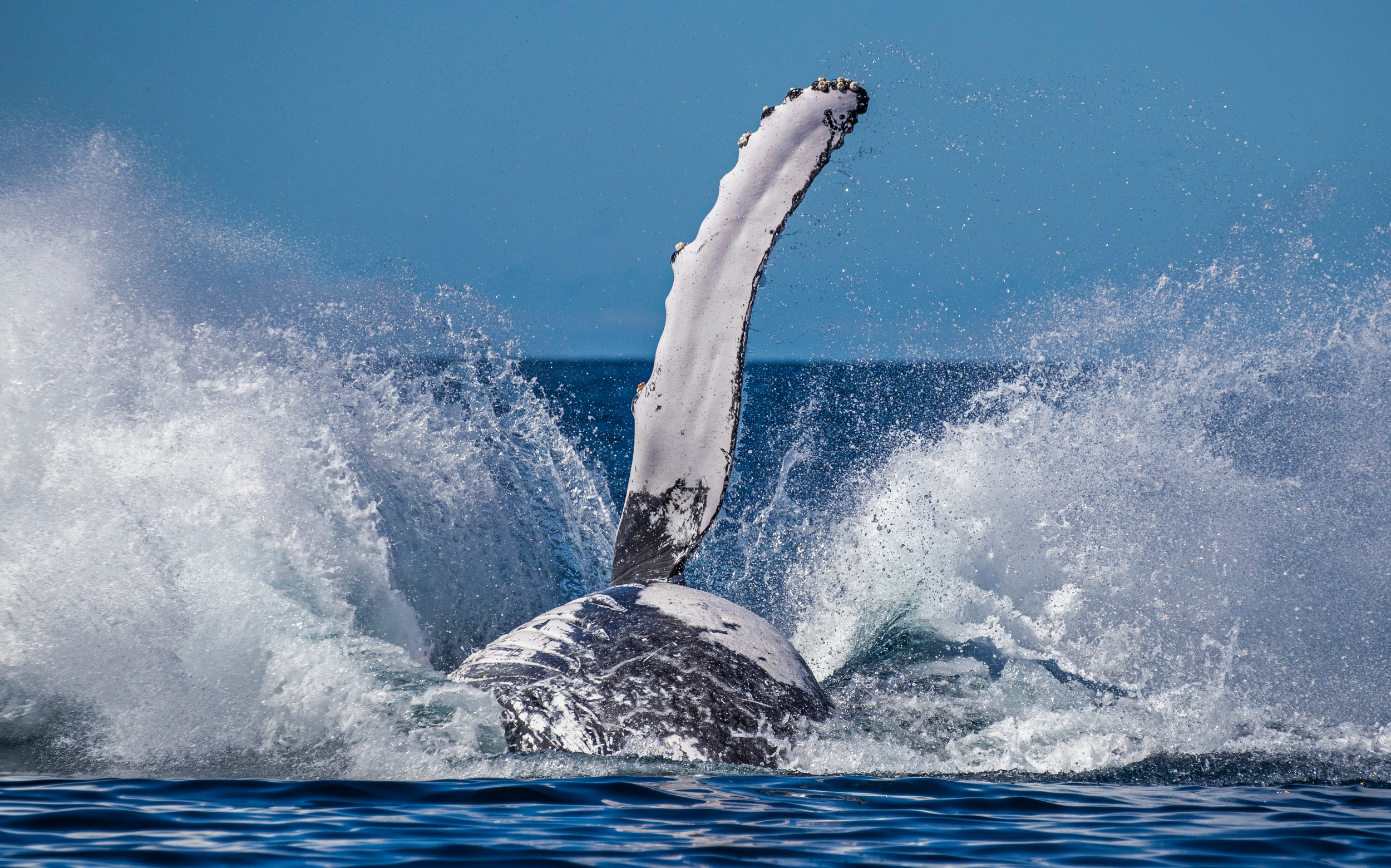
“A constellation of ocean sanctuaries—alive with whales, turtles and coral reefs—is within reach. Our government can finally help to create connected safe havens, right across our ocean, where nature can recover and thrive, free from the devastation caused by the likes of industrial fishing and oil drilling.
“This is the UK’s moment to reclaim its role as a global ocean leader and fight back against the destructive vessels plundering our seas for profit. The new prime minister must seize the opportunity that the High Seas Treaty brings and champion bold proposals to protect vast swathes of the ocean, as part of a promise to protect 30% of land and sea by 2030. The UK government should start with the Sargasso Sea and the wider Atlantic Ocean, which surrounds our shores.”
Here’s how you made it happen…
The Global Ocean Treaty became international law on 17th January 2026 – the most significant victory for ocean protection and restoration I have ever witnessed.
I have campaigned for more than 15 years with colleagues at Greenpeace and our incredible supporters. Together with so many organisations and hundreds of thousands of people worldwide, we’ve worked tirelessly for this victory.
Campaigners, coastal communities, small-scale fishers, scientists, and ocean lovers everywhere can hold on to this moment as proof that when millions of voices demand change, we can achieve what once seemed like a distant dream.
Why does the Global Ocean Treaty matter?
Our oceans are in crisis. Less than 1% of the High Seas The High Seas are the huge areas of ocean beyond any country's national waters. are fully or highly protected, meaning they remain vulnerable to industrial fishing, oil drilling, and, maybe soon, even deep sea mining.
The Global Ocean Treaty has the power to change everything. For the first time, governments have a legal framework to create High Seas sanctuaries – vast protected areas outside of any country’s national waters, where fragile ecosystems can recover and thrive. If fully implemented, the Treaty could establish the largest network of ocean sanctuaries in history, covering over a third of our global oceans.
It’s incredible to think that half of all biodiversity on Earth lives in the ocean. The Earth is more blue than green, but so much of that life remains hidden beneath the waves.
Nudibranchs are my personal favourite. They’re fascinating, tiny, sea slugs that come in all kinds of dazzling colours and bizarre shapes. They have names like “blue dragons”, “sea angels”, “sea sheep” and there’s even one called the “Pikachu sea slug”, which my children love! They’re not just beautiful, their presence also indicates the health of the oceans.
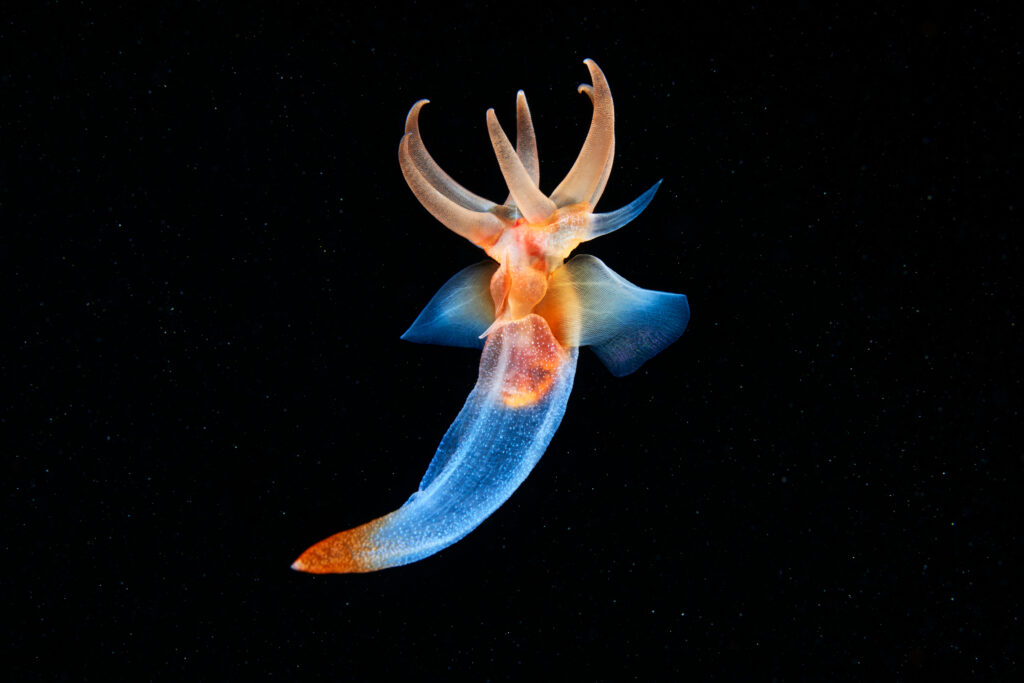
We’re still only beginning to understand the deep ocean’s importance. Seamounts – underwater mountains scattered across the High Seas – may act as signposts for migratory birds, and the deep sea may even play a role in oxygen production.
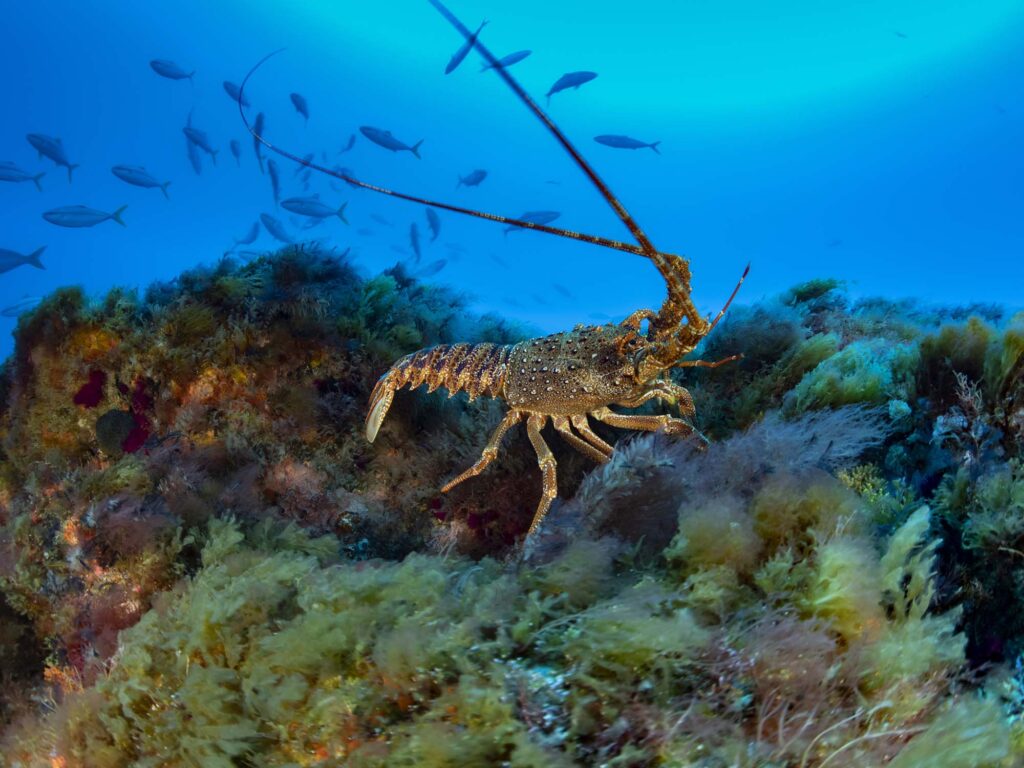
High Seas sanctuaries aren’t just about allowing wildlife to recover, they’re crucial to helping us tackle the climate crisis, and for safeguarding food security for billions of people.
Decades in the making
The very first Greenpeace briefing on the need for an ocean treaty was written back in 2005. Since then, campaigners, scientists, Indigenous communities, and countless other organisations on every continent have worked so hard to build momentum.
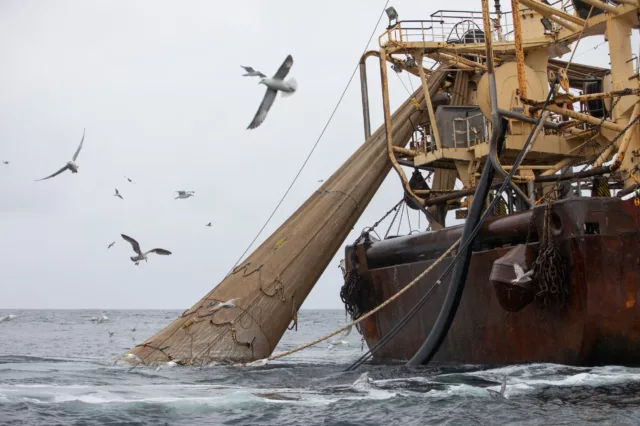
Some of my most vivid memories of oceans campaigning come from time I’ve spent at sea. In 2014 I joined Greenpeace’s ship Esperanza on a trip to the Arctic to document how industrial fishing vessels were creeping further north as the ice retreated. I’ll never forget bouncing in a tiny rhib through huge swells to get a closer look at the catch of an fishing trawler. It was terrifying and exhilarating all at once.
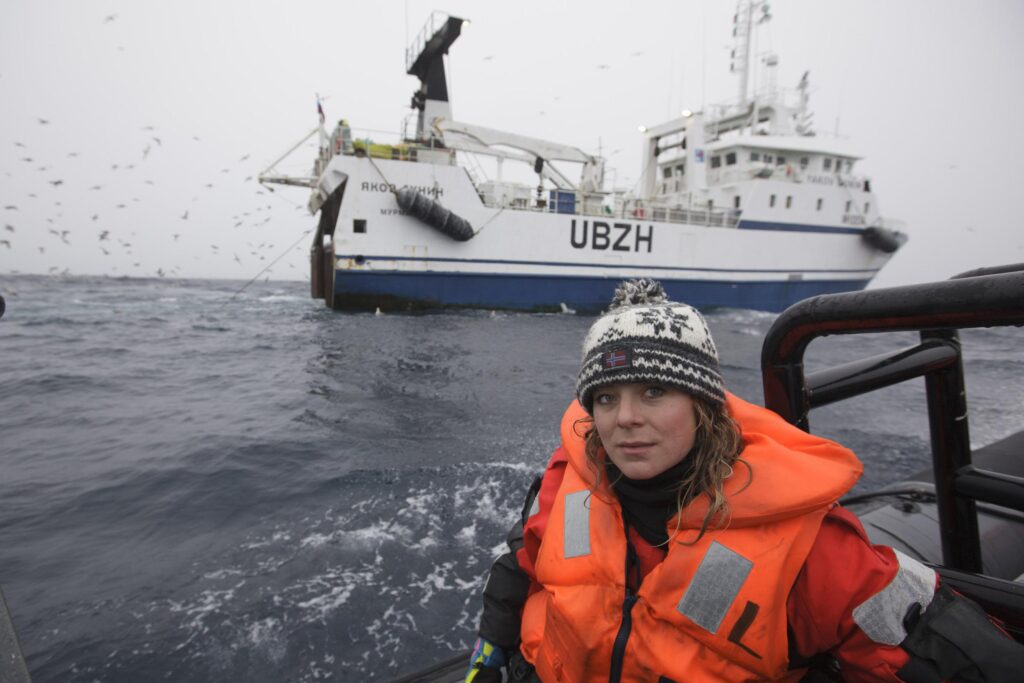
On that journey we recorded polar bears, whales, walruses, and so many seabirds – but also devastating amounts of plastic pollution. Seeing both the beauty and the threats on that trip really fuelled my determination.
Over the years, millions of you have spoken up for ocean protection. You’ve signed petitions, marched in the streets, lobbied governments, and shared your love for the sea in ways that helped push world leaders towards agreement. To everyone who took action, however you did it: thank you. This win belongs to all of us.
The starting whistle, not the finish line
World governments have committed to protect at least 30% of the oceans by 2030. But to achieve it, they will need to put more than 12 million square kilometres of the High Seas – an area bigger than Canada – off limits to destructive activity every single year until then. It’s an enormous task, and the clock is ticking.
At the first Ocean COP COP stands for Conference of the Parties. COPs are official meetings of the states that are part of a treaty. in January 2027, the UK must announce plans to champion an ambitious proposal to protect huge areas of the Atlantic Ocean, including the Sargasso Sea. This must be grounded in science, shaped with the participation of Indigenous Peoples and local communities, and ensure full protection from harmful industries.
We know High Seas sanctuaries work
We don’t need to imagine what fully protected sanctuaries could achieve. The Galápagos Marine Reserve was established more than two decades ago and expanded in 2022. It’s an incredible living showcase of how ocean sanctuaries can help wildlife bounce back when given space and protection.
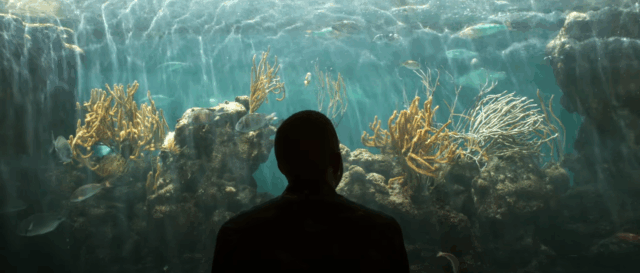
Sharks, turtles, and manta rays are returning and fish stocks have recovered, spilling over into surrounding waters and supporting local fishers. Coral reefs and ecosystems are thriving there – proof that when destructive industries are kept out, marine life can rebound quickly.
If one sanctuary around a single island chain can deliver such hope and abundance, imagine what a whole network of High Seas sanctuaries – across vast stretches of international waters – could do.
Together, we made this happen
Today, I feel an overwhelming sense of gratitude for our collective achievement. Our persistence and determination has paid off and we’ve secured the biggest ocean protection victory yet. Let’s celebrate, let’s defend it, and let’s keep going.
Let's keep changing the world
Here's three powerful ways ways to keep up the momentum for ocean protection.