- Press Release
Greenpeace threatens legal action against Crown Estate over ‘extortionate’ fees for offshore wind farm in Irish Sea

Greenpeace UK has today written to the Crown Estate threatening legal action over the way it leases plots on the seabed to offshore wind developers. The environmental group said the bidding process leads to developers paying ‘extortionate’ fees for plots on which to build new wind farms, and that the Crown Estate is exploiting its monopoly of the seabed. [1]
The move comes as new research suggests the uncapped bidding process could add up to £38 per year onto the average household energy bill in the UK. [2] From today, the Ofgem energy price cap rises to approximately £1,723 per year for a typical household energy bill – an increase of about £60.
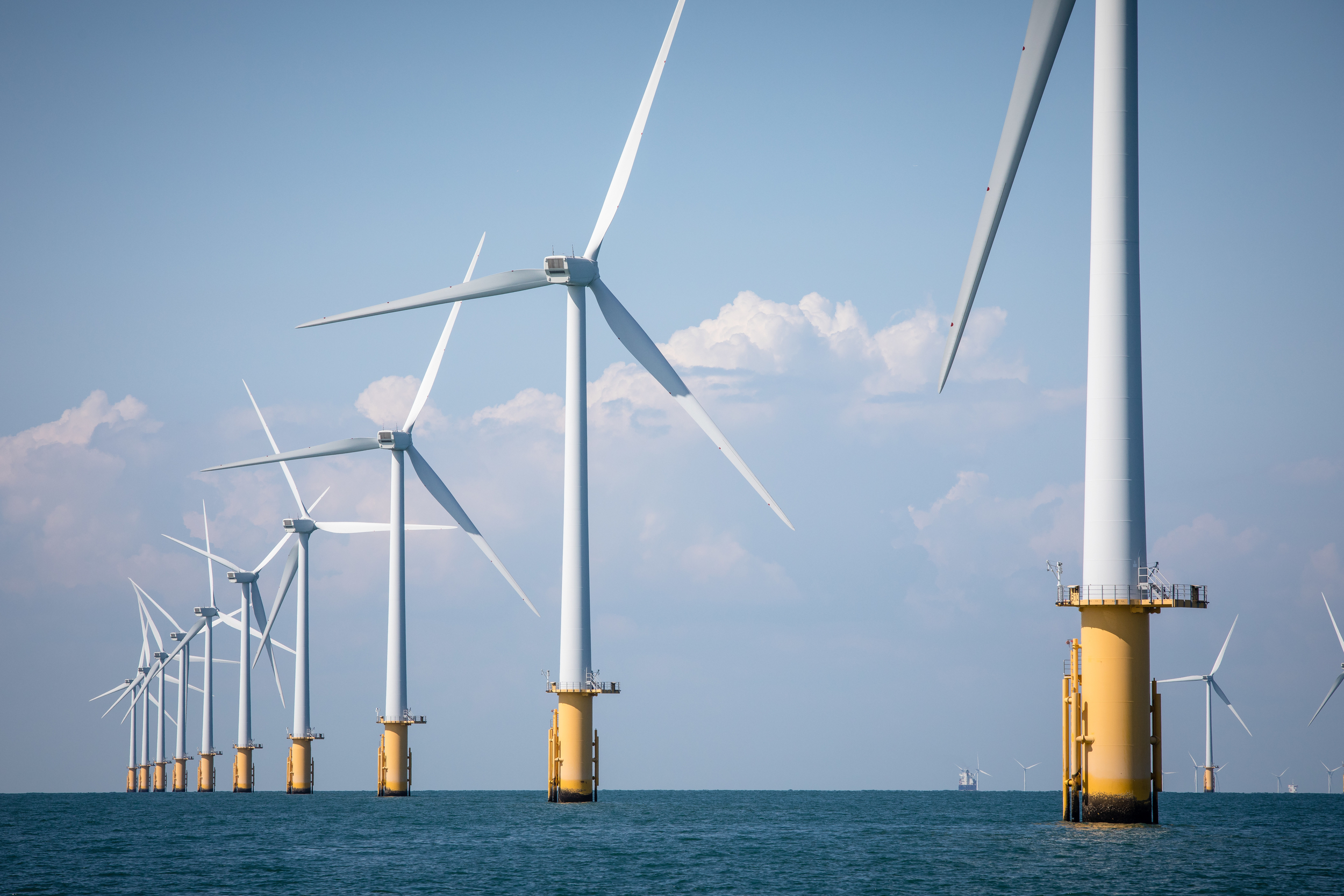
Greenpeace UK’s legal challenge focuses on the Morgan Offshore Wind Project off the coast of Lancashire in the Irish Sea. The previous developers pulled out of the 1.5GW project in January, and the Crown Estate announced in July it was seeking a new developer before the end of this year. But Greenpease understands the ‘streamlined process’ still includes uncapped fees.
Last October, Greenpeace raised the alarm that the Crown Estate is exploiting its monopoly position as legal owner of the entire UK seabed outside of Scotland to charge hefty fees for leases of the seabed. For its fourth leasing round in 2019, the estate moved to an uncapped bidding process that resulted in developers paying much higher option fees.
This has massively boosted the estate’s profits and the Royal Household’s income, at the expense of the wind power sector and energy bill payers. The estate made over £1 billion in 2024/25 and its profits have skyrocketed, turning the seabed into its most lucrative source of revenue. At the same time, the Crown Estate Commissioner’s pay has risen fivefold from around £385,000 a year in the period 2015-2020 to a staggering £1.9m in 2024/25.
Will McCallum, co-executive director of Greenpeace UK said: “The Crown Estate is acting like the cat that got the cream. Its role may be to extract profit from the King’s land, but that must not be at the expense of the common good. Accelerating homegrown renewable energy is the aim of this government and the solution to sky-high energy bills, so why is the estate cranking up costs for developers and households? Its latest plan to auction the Morgan site shows it remains intent on milking the seabed for every last penny of profit. The Chancellor should step in and put a cap on these fees to help lower bills and stop this outrageous profiteering”
A report published this week by the Smith School of Enterprise and the Environment, based at the University of Oxford, finds that the option fees paid to the Crown Estate mean that developers need to sell electricity at prices 30-59% higher than they would without the fees. It also finds that if all new offshore wind projects to meet the government’s 2030 Clean Power target passed these additional prices on to bills, it would cost consumers an extra £36-£72 billion between 2035 and 2054. This would add roughly £19 to £38 to household energy bills in 2035, falling to £14 to £29 by 2054.
For comparison, the cut in VAT on electricity bills that Andy Burnham announced on his first day as prime minister, which comes into force today, should reduce bills by about £45 a year.
Despite negotiations with Greenpeace leading to some minor changes, the group alleges in its ‘pre-action protocol’ letter to the Crown Estate that the Morgan auction “suffers from materially the same legal defects” as previous auction rounds, and that this approach represents a “continuation of their short-sighted and irresponsible disregard for the impact that extortionate lease pricing would have on the offshore wind market”.
Greenpeace is concerned the conditions of the Morgan auction could be replicated in future leasing rounds for much larger areas of the seabed. The campaign group is calling for the Chancellor to intervene to ensure the Crown Estate puts a cap on option fees including in the sixth round expected to launch in the first half of next year. The excess profits from the last auction round should be invested in measures to conserve the seabed around the British isles.
Ends
For interviews, or a copy of the legal letter sent to the Crown Estate, contact press.uk@greenpeace.org / 020 7865 8255
Notes:
[1] The Crown Estate manages all of the land and property belonging to the King, and provides revenue to the Treasury and the Royal Household. As the legal owner of the entire UK seabed outside of Scotland, it runs auctions to lease blocks of seabed to offshore wind developers, generating income from option fees and leasehold rents.
[2] The Smith School of Enterprise and the Environment report, Headwinds: how seabed leasing risks adding costs to clean energy, can be found here.