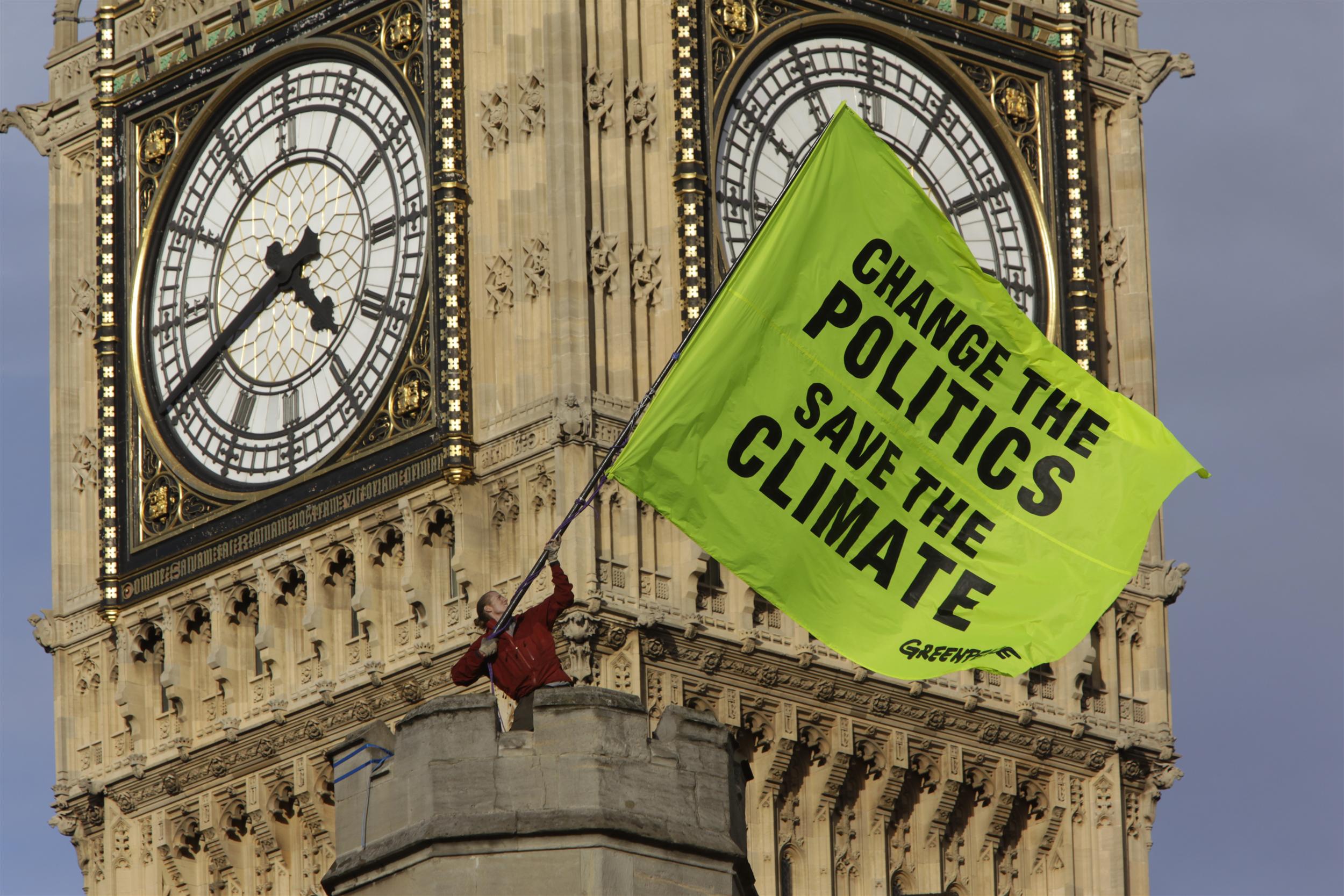

Thirteen of the UK’s leading environmental organisations have proposed six ‘tests’ for the next prime minister as Keir Starmer prepares to hand over the keys to Number 10. They cover the immediate actions needed to restore nature, deliver net zero and build a fairer, more resilient economy.
The six tests, which have been sent to Andy Burnham, are endorsed by Climate Action Network UK, Climate Outreach, ClientEarth, Friends of the Earth, Green Alliance, Greenpeace UK, Marine Conservation Society, Oceana UK, RSPB, The Climate Coalition, The Wildlife Trusts, Wildlife and Countryside Link and WWF. Together the groups represent millions of supporters across the UK.
They warn that “climate change and nature loss are … threatening our economic stability, food security and public health” but that policies to tackle these threats are “too often treated as separate from the government’s core priorities”.
It comes as the UK braces for another heatwave with temperatures expected to reach the mid-30Cs in England and Wales next week – the third heatwave so far this year. The groups also point to the continued decline of wildlife and rising pressures on food, water and public health as evidence of environmental breakdown.
The six ‘key tests’ for the next prime minister are as follows:
- Bring down bills for good
Ensuring more people feel the benefits of the energy transition by using the Energy Independence Bill to roll out renewable energy at pace, legislate for the North Sea oil and gas licensing ban, and make a full government commitment to electrification and insulation for homes.
- Support a fair transition for workers and communities
Champion policies that lower bills, warm homes and create high-quality jobs, learning from past transitions to better support workers and industries impacted by change, including British farmers.
- Restore our natural environment
Protect at least 30% of land and sea for nature while also supporting nature friendly farming practices and ensuring that new housing and infrastructure allows both people and nature to thrive.
- Ensure polluters play their part in the transition
Stand up to the polluters who have been making huge profits – whether by dumping sewage and chemicals into our waterways or by producing climate-wrecking fossil fuels – and hold them to account through tighter regulation, fines and taxation.
- Protect civic space, public participation and the right to protest
Safeguard our democracy and protect civic space to ensure the British public can have their voices heard, whether that be through protest, legal challenge, campaigning or community action.
- Champion international leadership
Drive forward international action on climate and nature. They must also oppose violations of international law that so often cause – and are caused by – environmental neglect and unsustainable energy policies.
Public support for stronger action is clear: 83% of people say that restoring nature is a priority, yet only 15% believe the government is currently doing enough to deliver it. Separate polling by Greenpeace shows that investing in renewables and higher taxes on oil and gas company profits are among the most popular policies among Labour defectors.Together, this points to both a strong mandate and a significant political opportunity for leaders prepared to put climate and nature at the heart of their agenda.
Areeba Hamid, co-executive director of Greenpeace UK said:
“A prime minister’s first duty is to keep us safe. In the last few months we’ve seen hundreds of people die prematurely in back-to-back heatwaves. Our energy and food bills have skyrocketed because of Trump’s fossil fuel war, forcing millions into fuel poverty. Burnham’s in-tray is overflowing, but thankfully we’re already well on our way to clean, homegrown power. Many of the policy foundations are there – he just needs to go further and faster. These six tests would be good for people, good for our environment and good for the economy. Now Burnham must decide.”
Blanche Shackleton, interim executive director of Green Alliance said:
“The next Prime Minister must avoid treating climate and nature as political battlegrounds. The choices made in the coming years will shape the UK’s prosperity, security and wellbeing for decades to come. Getting this right means lower bills, healthier communities, and a thriving natural environment. Failing to act will leave everyone paying a far higher price.”
Tanya Steele, CEO of WWF, said:
“Climate and nature are central to the UK’s resilience, security and future prosperity. The next prime minister has an opportunity to put climate and nature at the heart of their vision to make Britain a better place to live for everyone. Getting this right won’t just help save our wildlife and cut emissions, it will strengthen our food security, protect communities from growing climate shocks and build a more resilient future for both people and nature.”
Ends
Notes to editors:
The full letter with the six tests is available here: https://www.greenpeace.org.uk/resources/open-letter-to-the-uks-next-prime-minister/
The signatories to the key tests are: Climate Action Network UK, Climate Outreach, ClientEarth, Friends of the Earth, Green Alliance, Greenpeace UK, Marine Conservation Society, Oceana UK, RSPB, The Climate Coalition, The Wildlife Trusts, Wildlife and Countryside Link, WWF.
Polling by the National Trust and More In Common in March 2026 found that 83% of respondents say restoring nature is important or a top priority to them personally – rising to 91% for Labour voters. Only 15% think the government is doing a good job at protecting the natural world. https://www.businessgreen.com/news/4527282/poll-brits-political-stripes-nature-lovers
Polling by Greenpeace UK and YouGov in May 2026 offered respondents a choice of policies from different areas. Investing in renewable power and implementing higher taxes on oil and gas company profits were consistently among the most popular among people who have defected from Labour since 2024.