How Greenpeace changed the world
Greenpeace campaigns are changing the world for the better. From saving the whales to getting rid of polluting cars, here are some of Greenpeace’s biggest victories.
Greenpeace is working towards a greener, healthier and more peaceful world – one that can sustain life for generations to come.
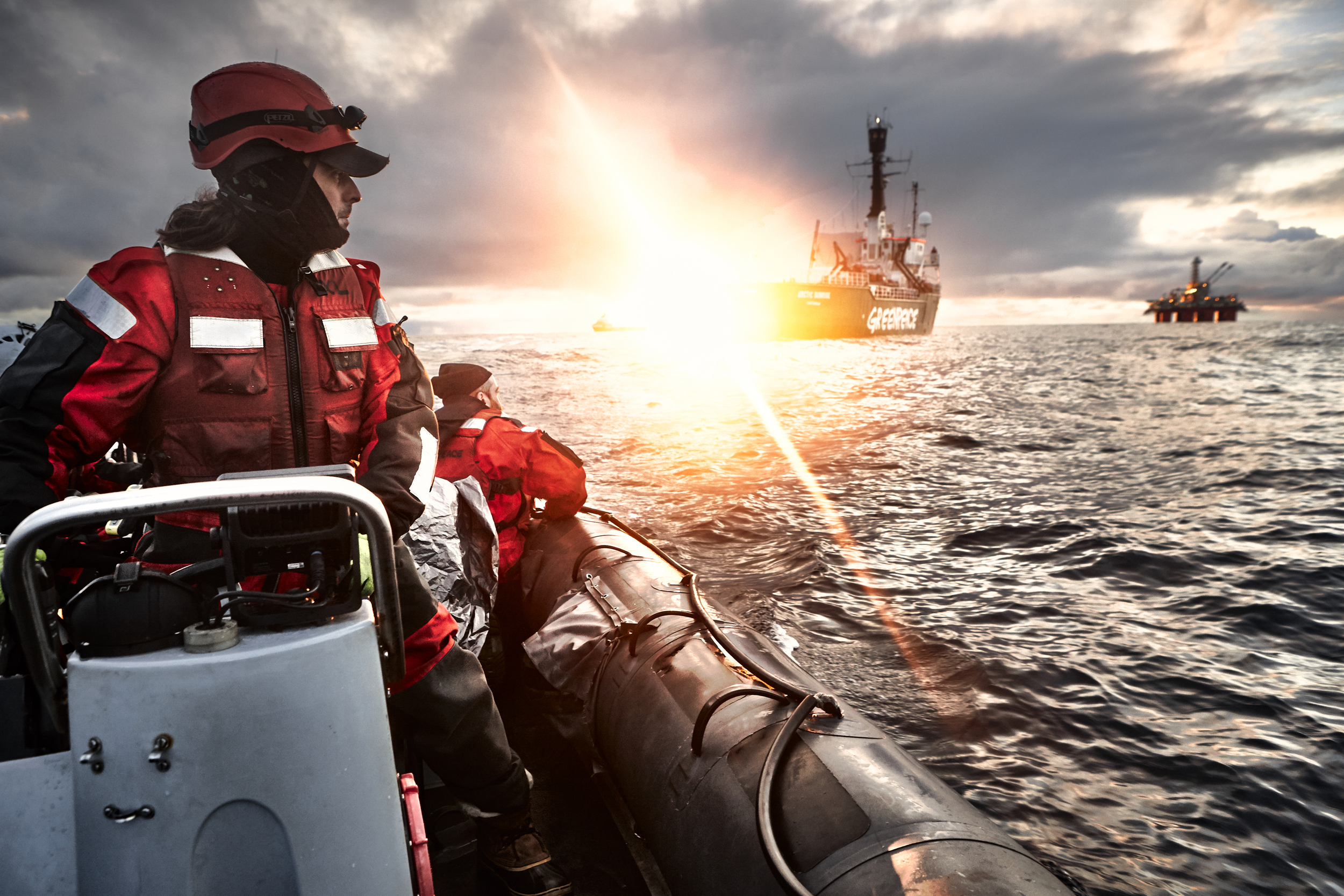
Powered by individual donations, dedicated volunteers and millions of supporters, our campaigns combine cutting-edge science, investigative journalism, political lobbying, mass mobilisation and creative peaceful protests. And the iconic Greenpeace ships allow us to protect the most remote and precious environments on Earth.
Of course, we’re still a long way from winning. But these successes – nearly always won in alliance with grassroots groups and other organisations – show a glimpse of what’s possible.
Latest wins
Greenpeace victories through the ages
Founded in 1971, Greenpeace now works in dozens of countries around the world, campaigning on a huge range of issues. These highlights from our 50-year history show how so many of the environmental protections we enjoy today were won through the bravery and dedication of Greenpeace campaigners, activists and supporters across the decades.
Jump to decade
1972
US abandons nuclear testing grounds
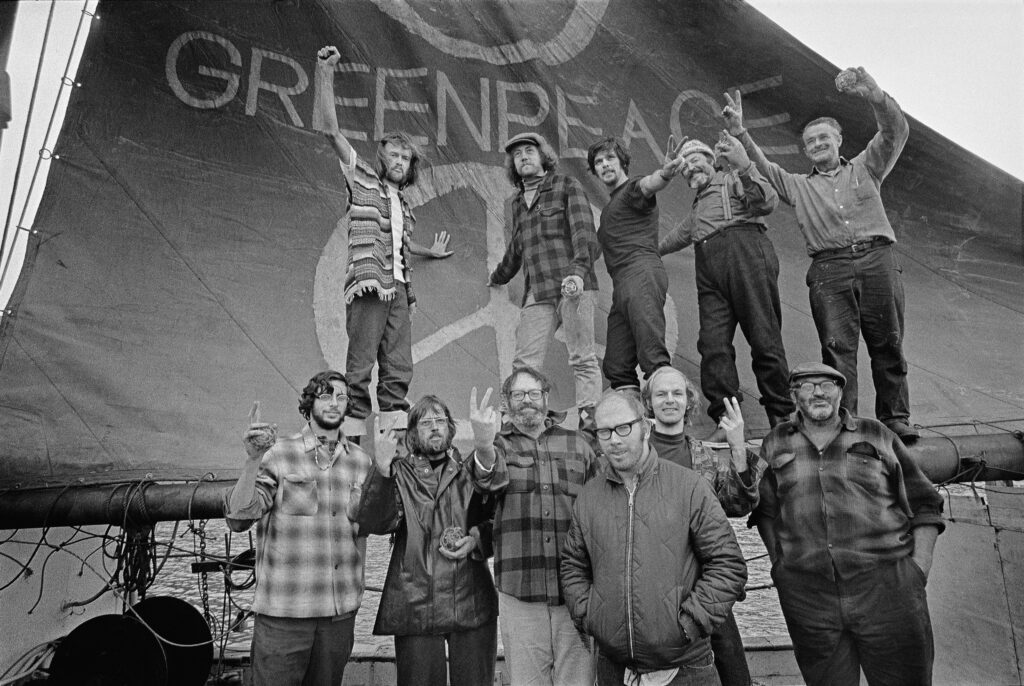
In 1971, a small group of activists set sail to Amchitka island off Alaska in an old fishing boat called The Greenpeace. Their mission: to stop a US nuclear weapons test. Although the voyage was racked with personal conflict, and failed to stop the test itself, it sparked a storm of publicity that ultimately turned the tide. Five months after the group’s mission, the US stopped the entire Amchitka nuclear test programme. The island was later declared a bird sanctuary.

1974
France ends Pacific nuclear testing
In the 1970s and 80s, Greenpeace campaigned for a ban on nuclear testing. In 1974, Canadian activist David McTaggart took the French government to court. He won: in 1974 France announced that they would end their atmospheric nuclear testing program. The Nuclear Test Ban Treaty was eventually agreed in 1996, forbidding all nuclear weapon test explosions or other nuclear explosions.
1978
Confronting seal slaughter in Scotland
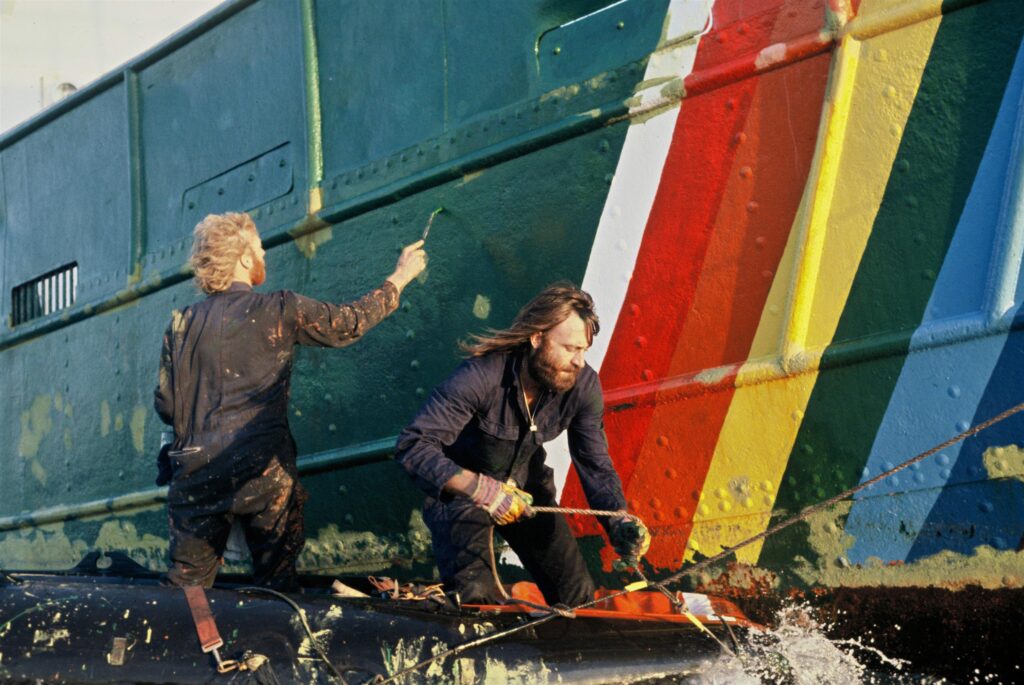
Through the 1960s and 1970s, the government permitted mass killing of seals around the Orkneys and Western Isles because they ‘interfered’ with commercial fishing. But in 1978, Greenpeace intervened. The Greenpeace ship Rainbow Warrior trailed the seal hunters’ vessel for two weeks, preventing the start of the cull and sparking a public outcry against the killing. Eventually, the planned cull was massively reduced, and in 2020, shooting seals was completely banned in Scotland.
1982: Commercial whaling banned worldwide
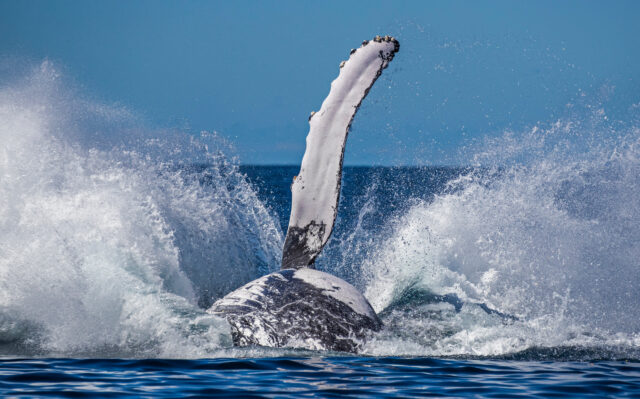
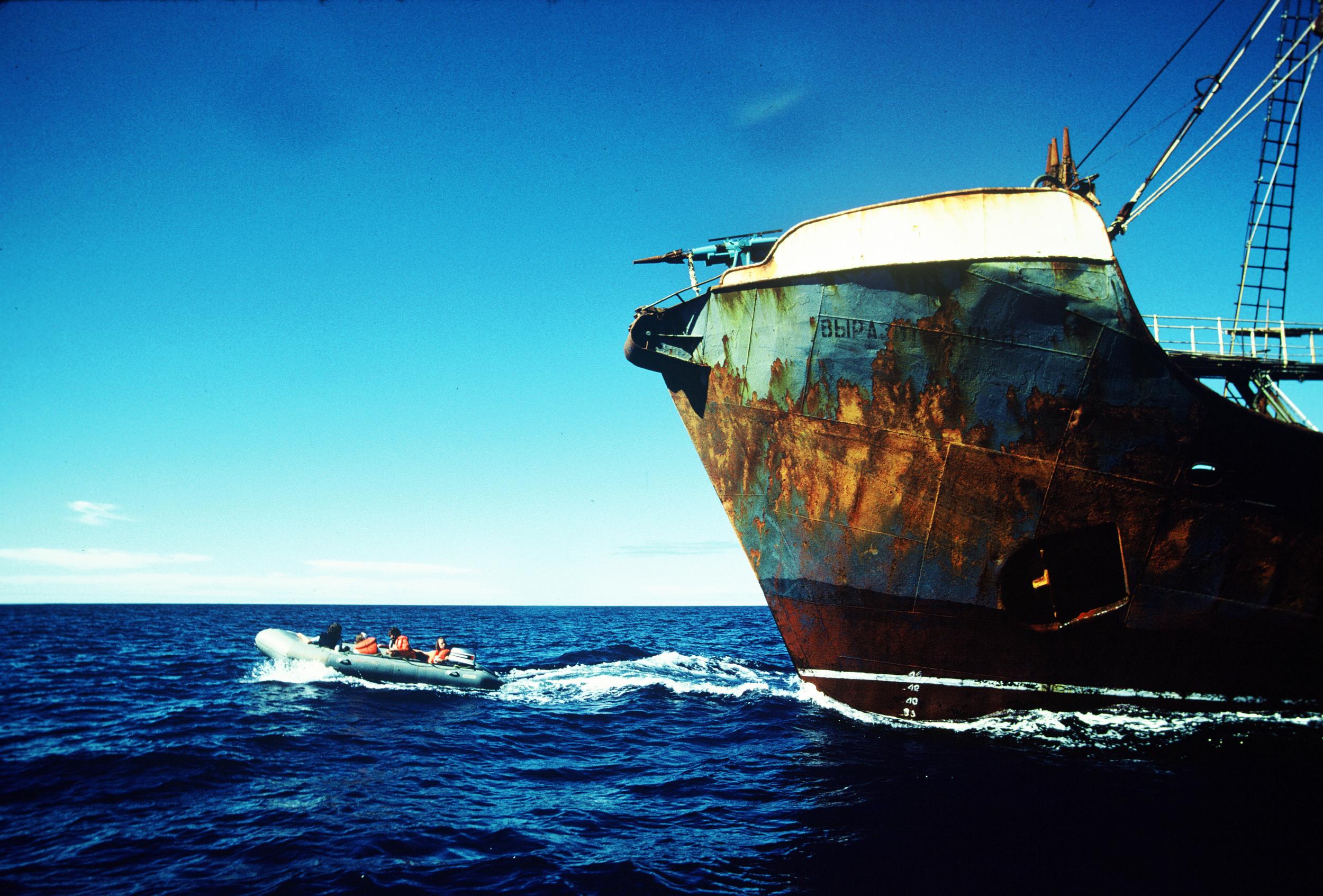
Whaling for meat, oil, or whalebone devastated the world’s biggest whale species in the first half of the 20th century, pushing some of them to the very brink of extinction. Greenpeace’s early whaling campaign showed the public images of whales being killed, which sparked a popular movement against whaling. After over a decade of committed campaigning, the ‘Save the Whales’ movement triumphed in 1982, when the International Whaling Commission voted to ban commercial whaling.
1989
Greenpeace campaign ends the use of deadly drift nets
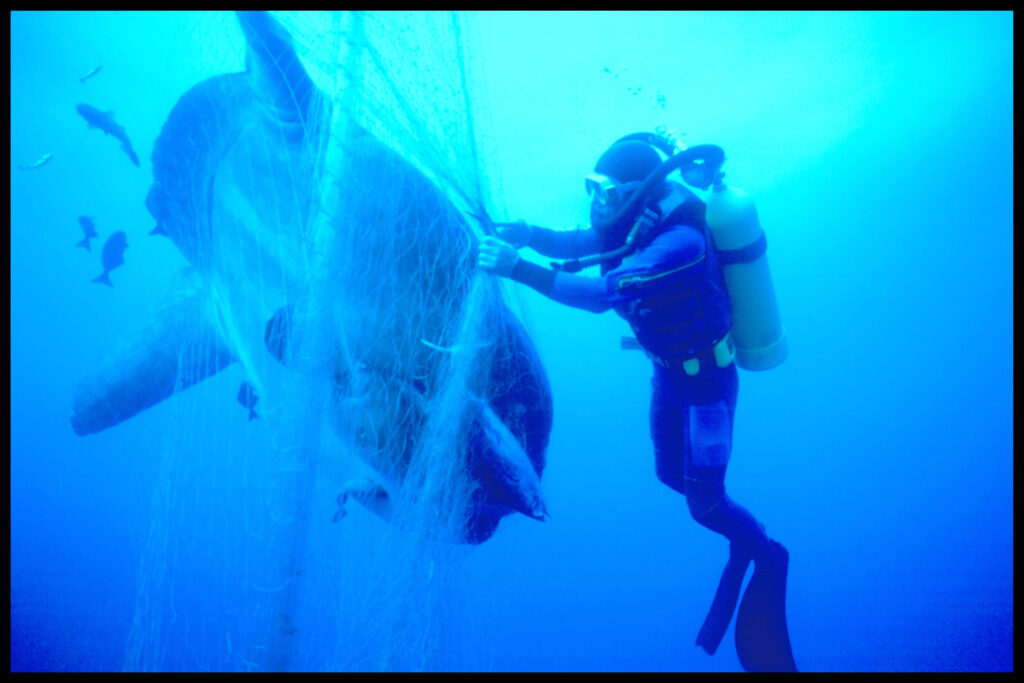
Greenpeace campaigned for 15 years against destructive fishing practices like bottom trawls and driftnets. Activists campaigned at sea, and produced a documentary exposing the reckless destruction they caused. This led to widespread public outrage, and even saw Japanese ships being denied entry into US waters of the Bering Sea in 1984. The UN eventually agreed a moratorium on using large driftnets in the high seas, followed by a worldwide ban in 1992.
1991
Antarctic Treaty protects the continent from mining
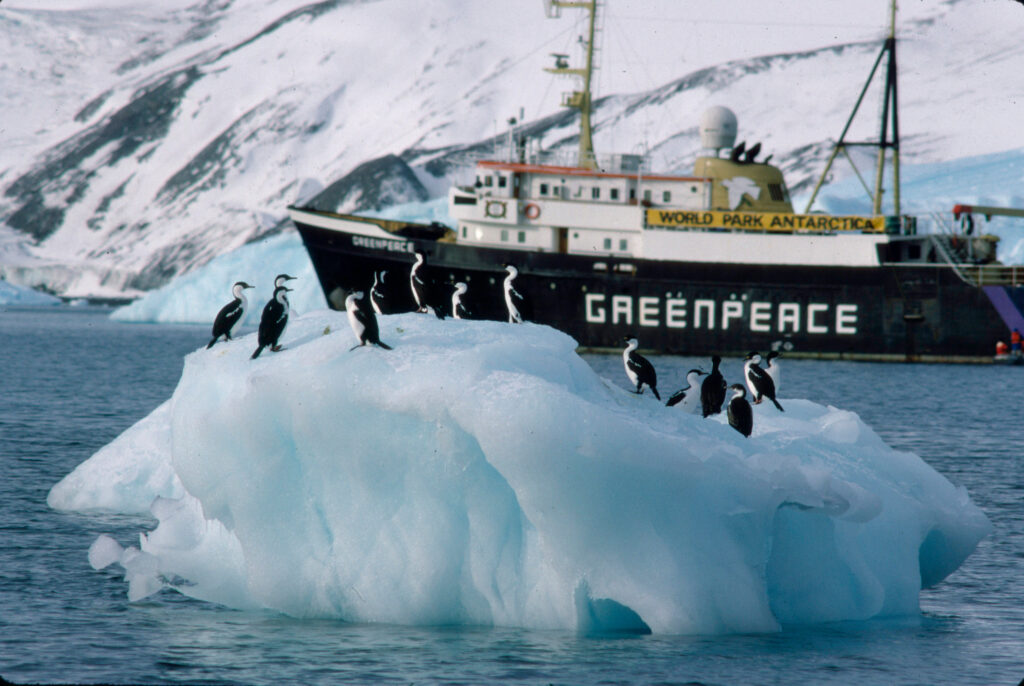
In 1958 the Antarctic Treaty was signed by eighteen countries with an interest in the continent, protecting it for 30 years. But by the early 1980s the threat of commercial exploitation loomed large. There was oil under the ice and the Antarctic Treaty Nations were disputing a proposal from New Zealand that the continent should be designated a protected World Park. Greenpeace set up a base in Antarctica and campaigned for seven years against Antarctic mining and oil exploration. The Antarctic Treaty Nations were eventually persuaded. In 1991, they agreed to adopt new environmental rules, including a minimum 50-year ban on mineral exploitation.
1996
A global ban on nuclear testing
After decades of campaigning by Greenpeace and other groups, a global nuclear weapons testing ban was finally passed in 1996. From 1994–96, the world’s nations came together to negotiate the Comprehensive Nuclear Test Ban Treaty, which prohibits all nuclear test explosions.


1998
Ban on dumping in the North Sea and beyond
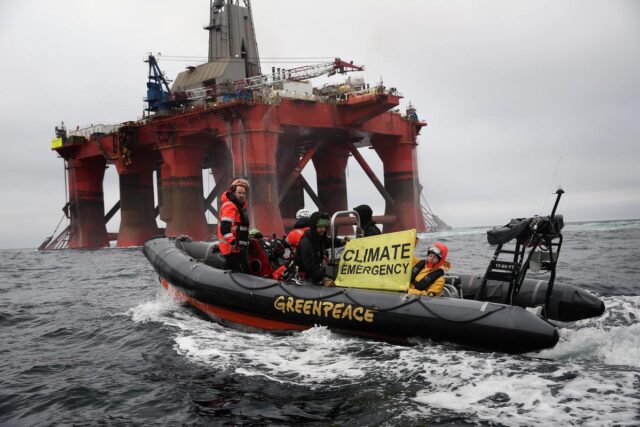
The historic OSPAR Convention makes it illegal to dump toxic waste, scrapped oil rigs and other industrial equipment at sea in the north-east Atlantic. Greenpeace’s anti-dumping campaign mixed high-level political pressure with dramatic direct action, including the occupation of Shell’s notorious Brent Spar platform. Brent Spar was eventually towed to shore and recycled.
2004
Working with the Deni to protect their Amazon homeland
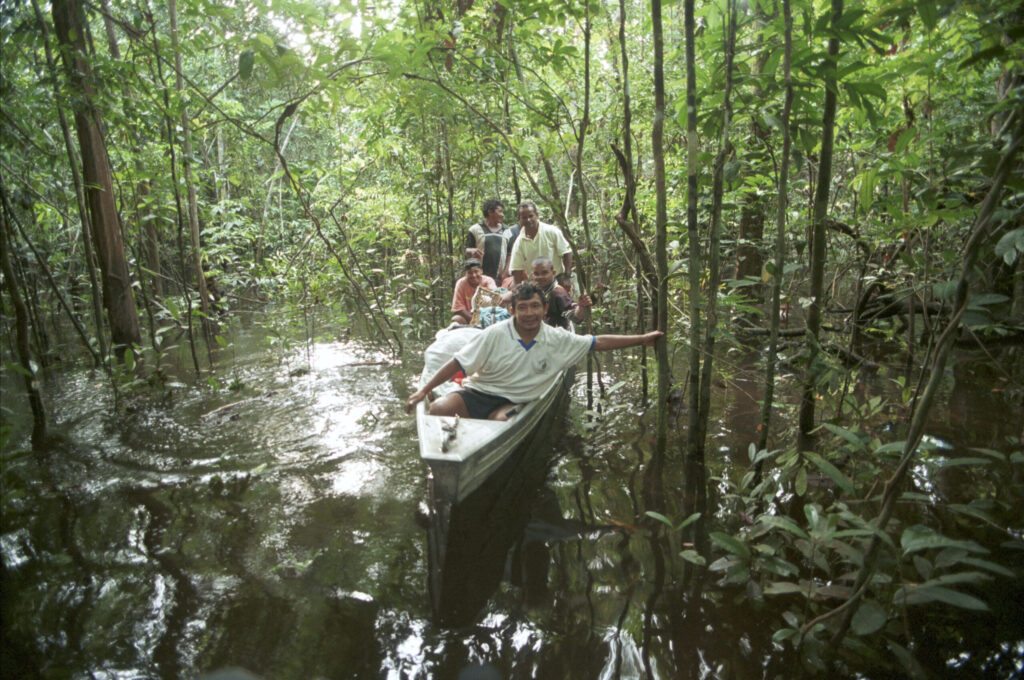
The Deni are an Indigenous group living in a very remote part of the Brazilian Amazon, whose land was illegally sold to a logging company without their knowledge. After waiting for more than 10 years for the government to recognise their traditional territory, the Deni asked Greenpeace to help. We sent a team to live with the Deni and train them to use GPS and other instruments to formally record the boundaries of their lands. This spurred the government into action, and soon afterwards, Brazil’s president officially recognised the Deni as owners and stewards of over 1.6 million hectares of Amazon forest.
2006: Great Bear Rainforest protected from logging
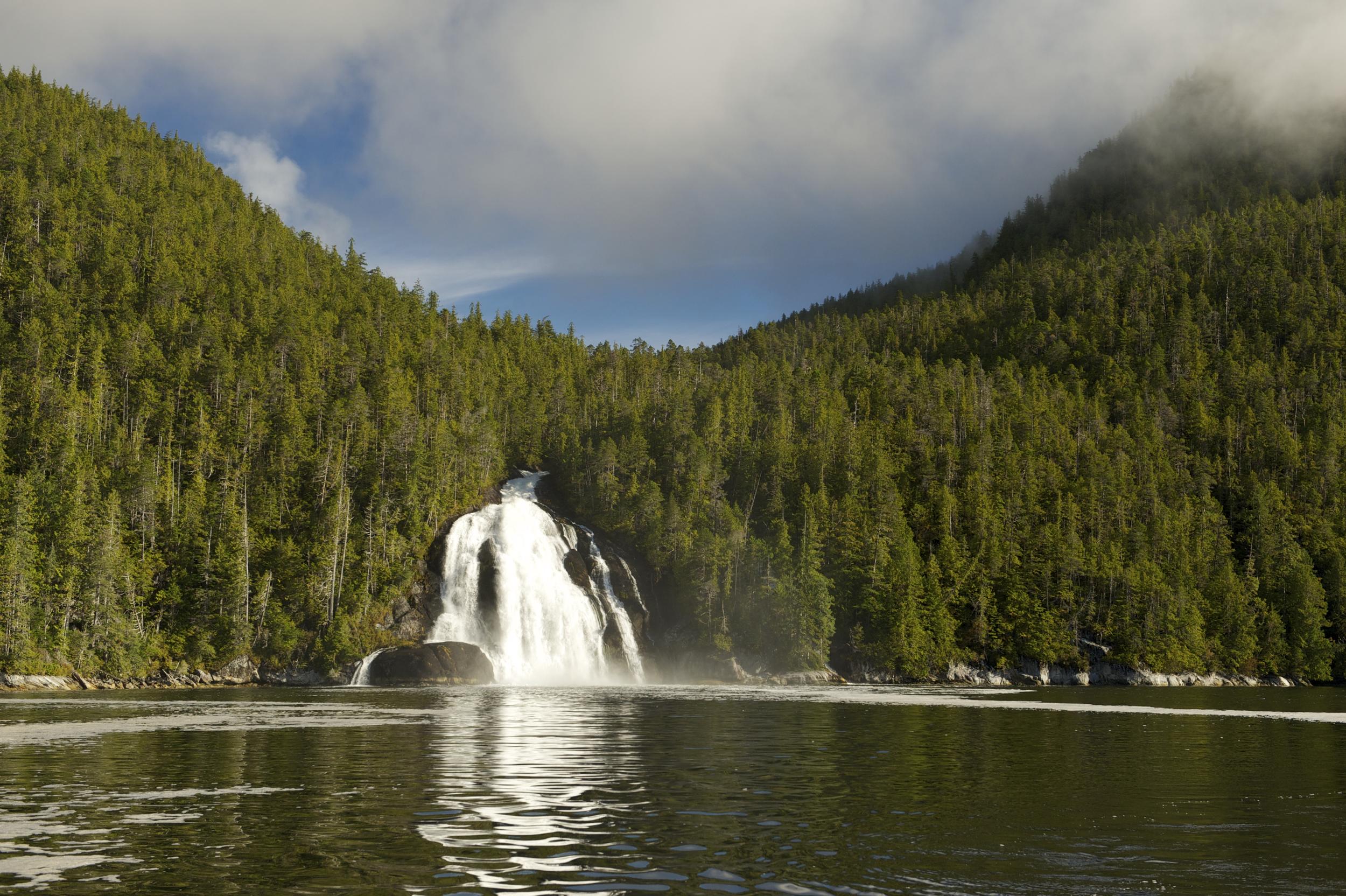
After a ten-year campaign alongside First Nations groups, Greenpeace secured protection for over two million hectares of Canada’s stunning Great Bear Rainforest. Seen as one of the greatest environmental victories in Canadian history, the campaign saw activists arrested, sued and beaten as they resisted the logging interests that threatened the forest, and piled pressure on the British Columbian government to act.
2009
Daring climb halts a new wave of coal power stations
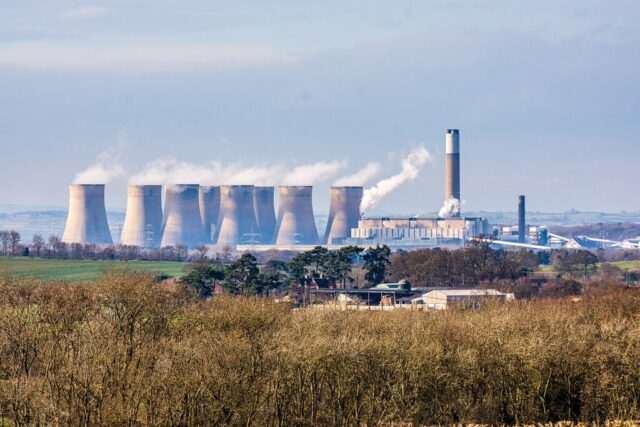
Greenpeace activists Emily, Huw, Kevin, Tim, Will and Ben climbed the 200m chimney at Kingsnorth coal-fired power plant, forcing it to go offline. At the time, the UK was planning a new generation of coal power stations. But this action – and the groundbreaking court case that followed – helped to transform the debate. The UK has now closed its remaining coal power stations, and renewable energy makes up a large and growing share of the electricity mix.

2014
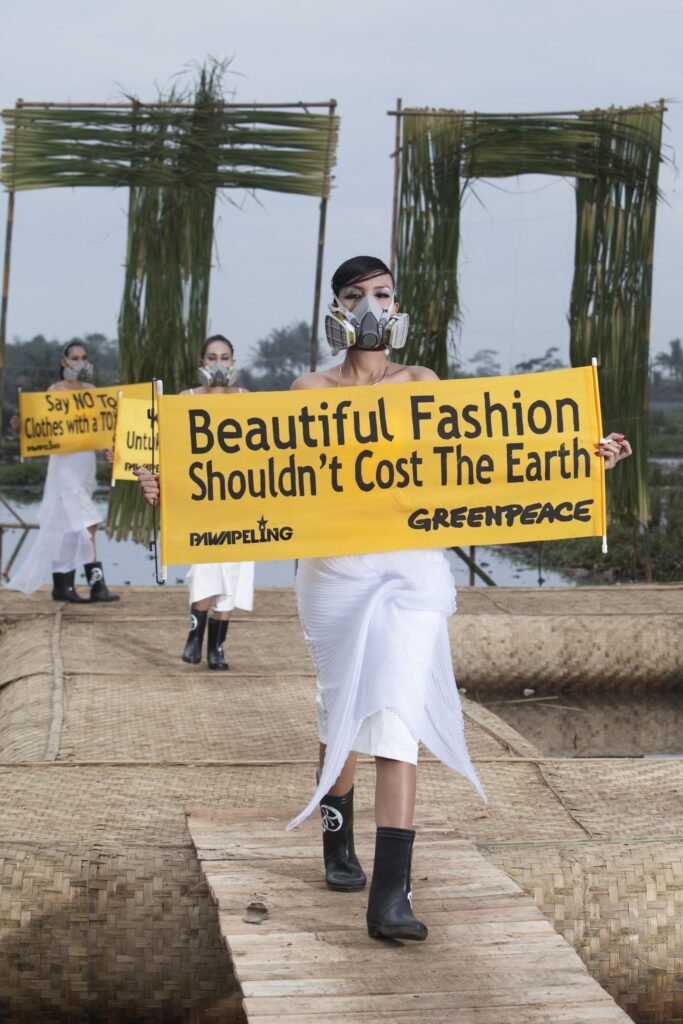
80+ fashion brands pledge to ditch toxic chemicals
Greenpeace’s Detox My Fashion campaign called on clothing companies to stop polluting waterways with hazardous chemicals. In response, 80 companies pledged to phase out these chemicals from their production-line, and seven years after the start of the campaign, all 80 companies had made significant progress.
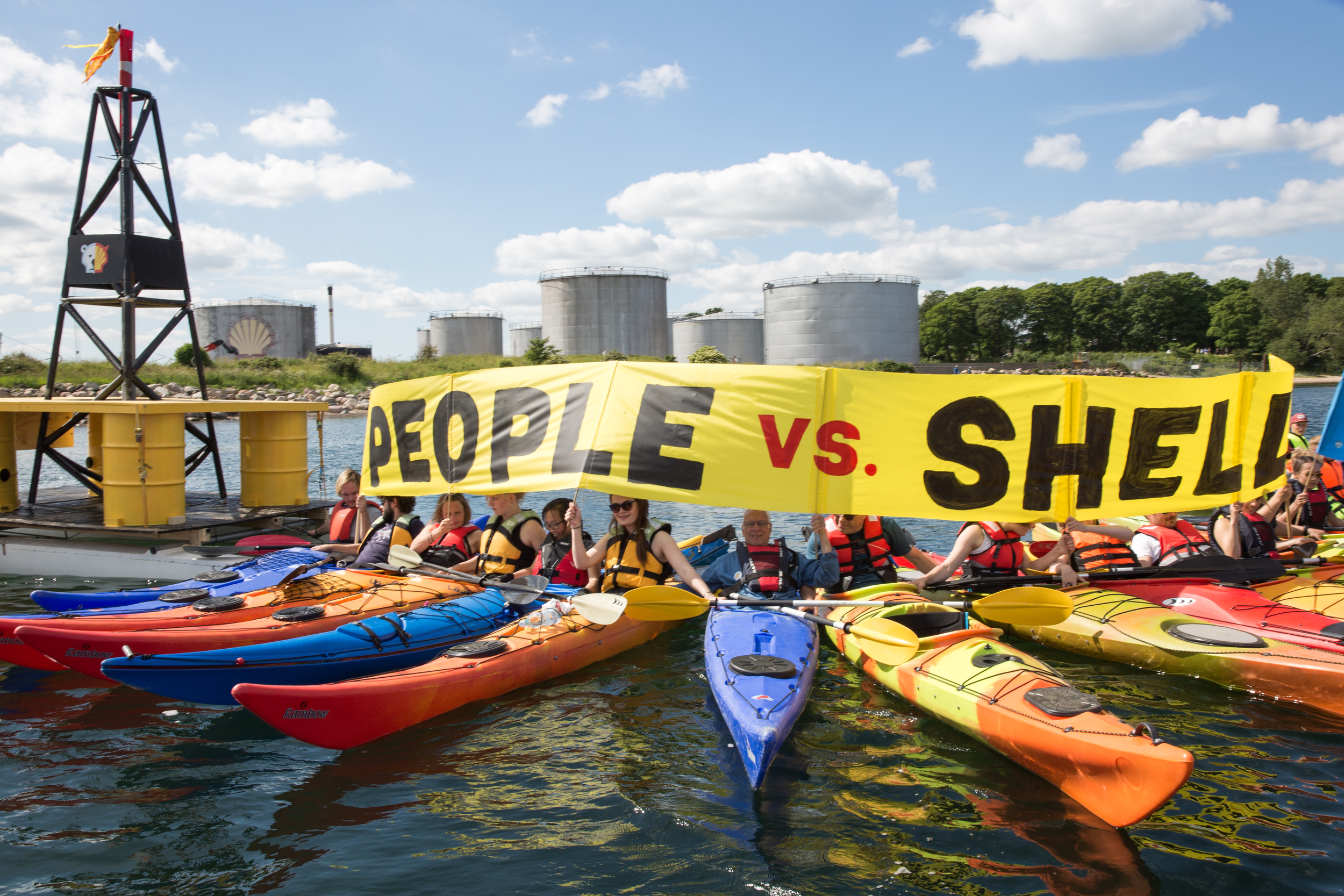
2015: Shell drops plans for Arctic drilling
In October 2015, Shell announced that it was giving up plans to drill for oil in the Alaskan Arctic. This followed years of Greenpeace protests all across the world, building a movement of millions of people that Shell couldn’t ignore. Shell blamed the decision on low oil prices and high costs, but the company also admitted that the protests had a bigger impact than they expected, and damaged Shell’s reputation.
2018
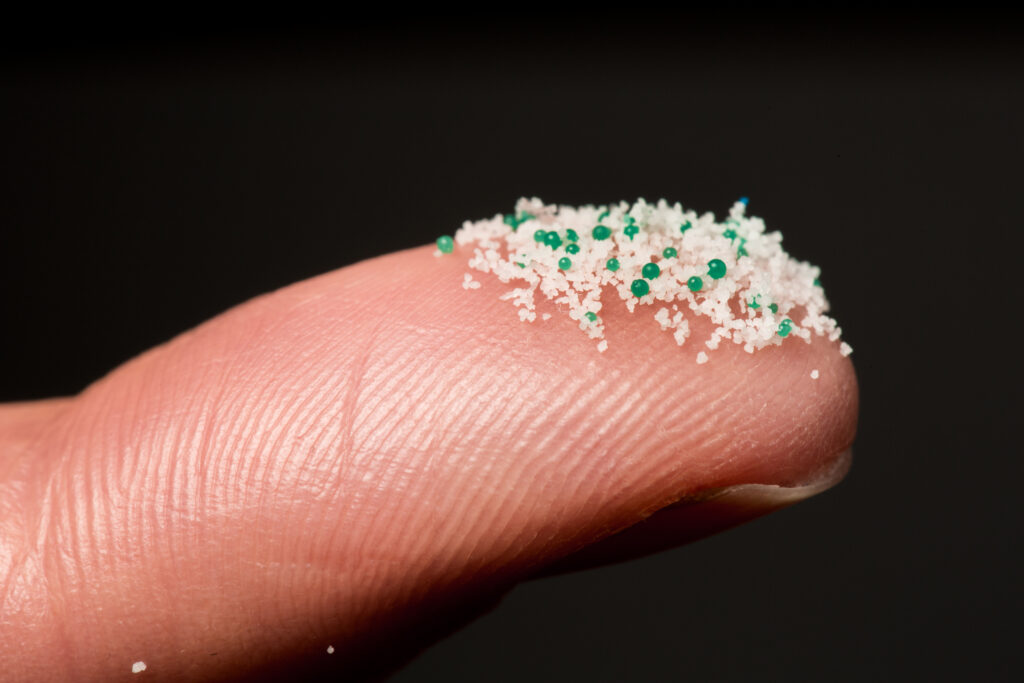
Plastic microbeads banned in the UK
After two years of campaigning from Greenpeace and many others, the UK government banned plastic microbeads in January 2018. Products like toothpastes, shower gels and facial scrubs with plastic microbeads can no longer be sold in the UK. This was an important first step to protect ocean life, and to stop plastic getting into the food chain.
2020
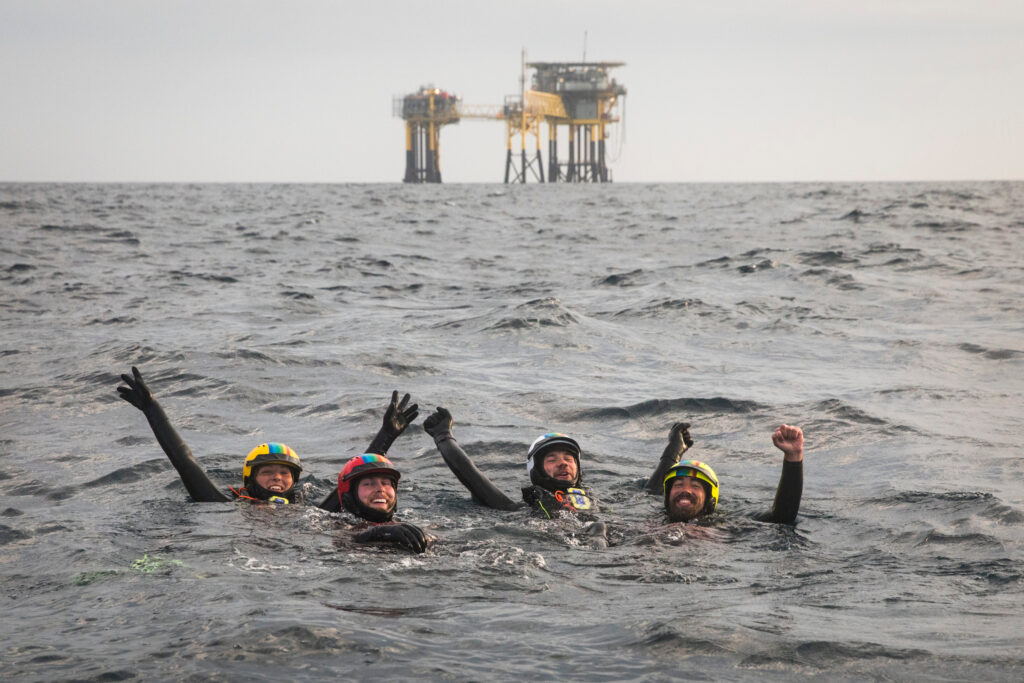
Denmark ends North Sea oil drilling
The Danish Parliament announced that it won’t allow any new oil drilling in the Danish part of the North Sea, and will end existing production by 2050. They also allocated money to help impacted workers make the transition into greener industries. As a major oil producing country in the EU, Denmark’s announcement is major step towards phasing out fossil fuels.
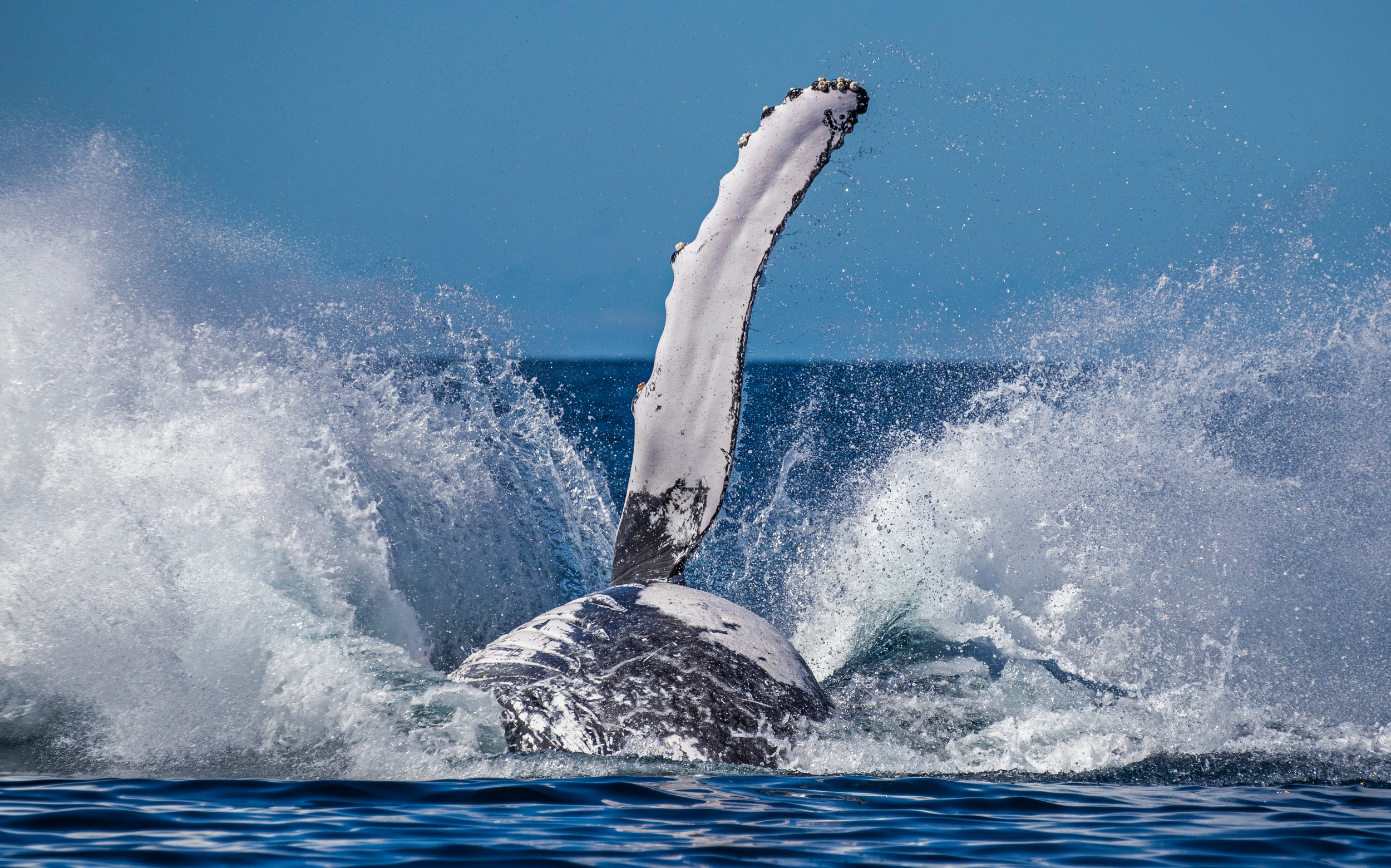
2023: Historic UN Global Ocean Treaty agreed
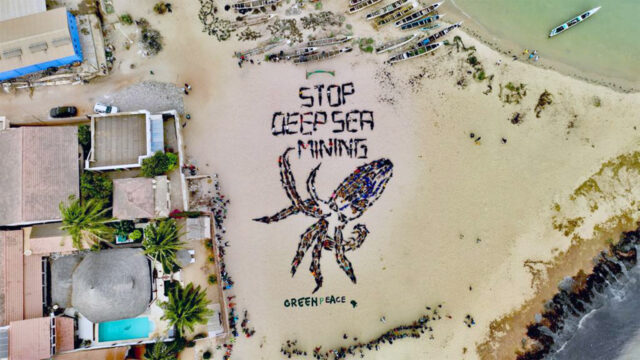
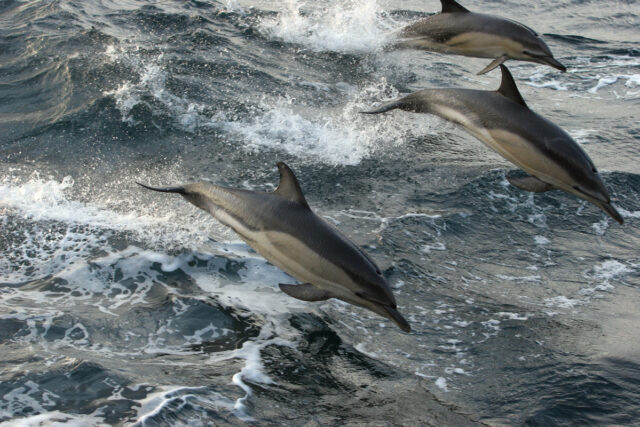
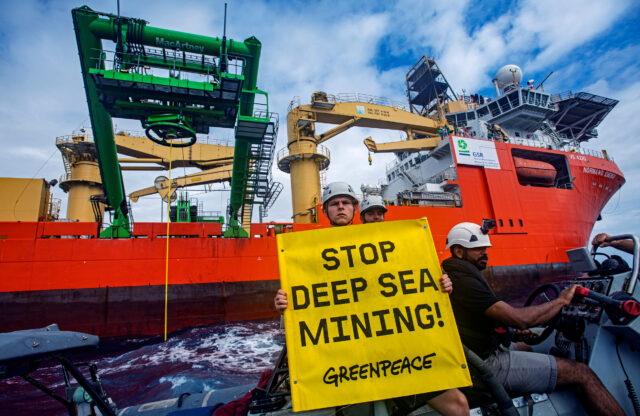
After years of tense negotiations, world leaders secured a Global Ocean Treaty. Over years of campaigning, Greenpeace visited every ocean, documenting challenges to marine life and ecosystems – from destructive fishing to deep sea mining. Hailed as the biggest conservation victory ever, the new treaty paves the way for the creation of ocean sanctuaries in which ecosystems can recover and thrive, potentially saving our oceans from the brink of disaster.
2025
UK government ends oil and gas exploration
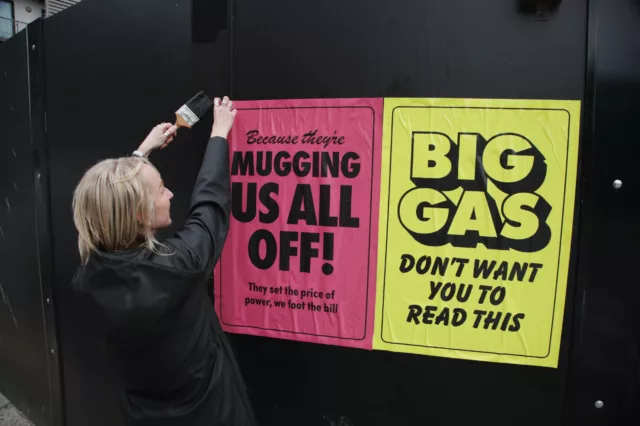
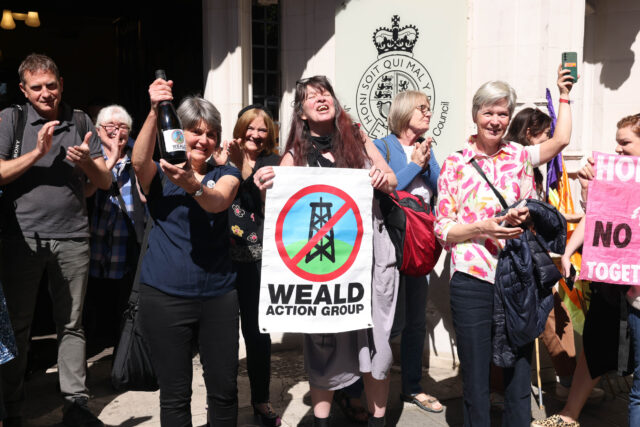
No more hunting for fossil fuels we can’t afford to burn. Nearly 30 years of persistent campaigning paid off as Britain banned new North Sea exploration licences, becoming the largest economy to turn away from oil and gas.
How Greenpeace creates change
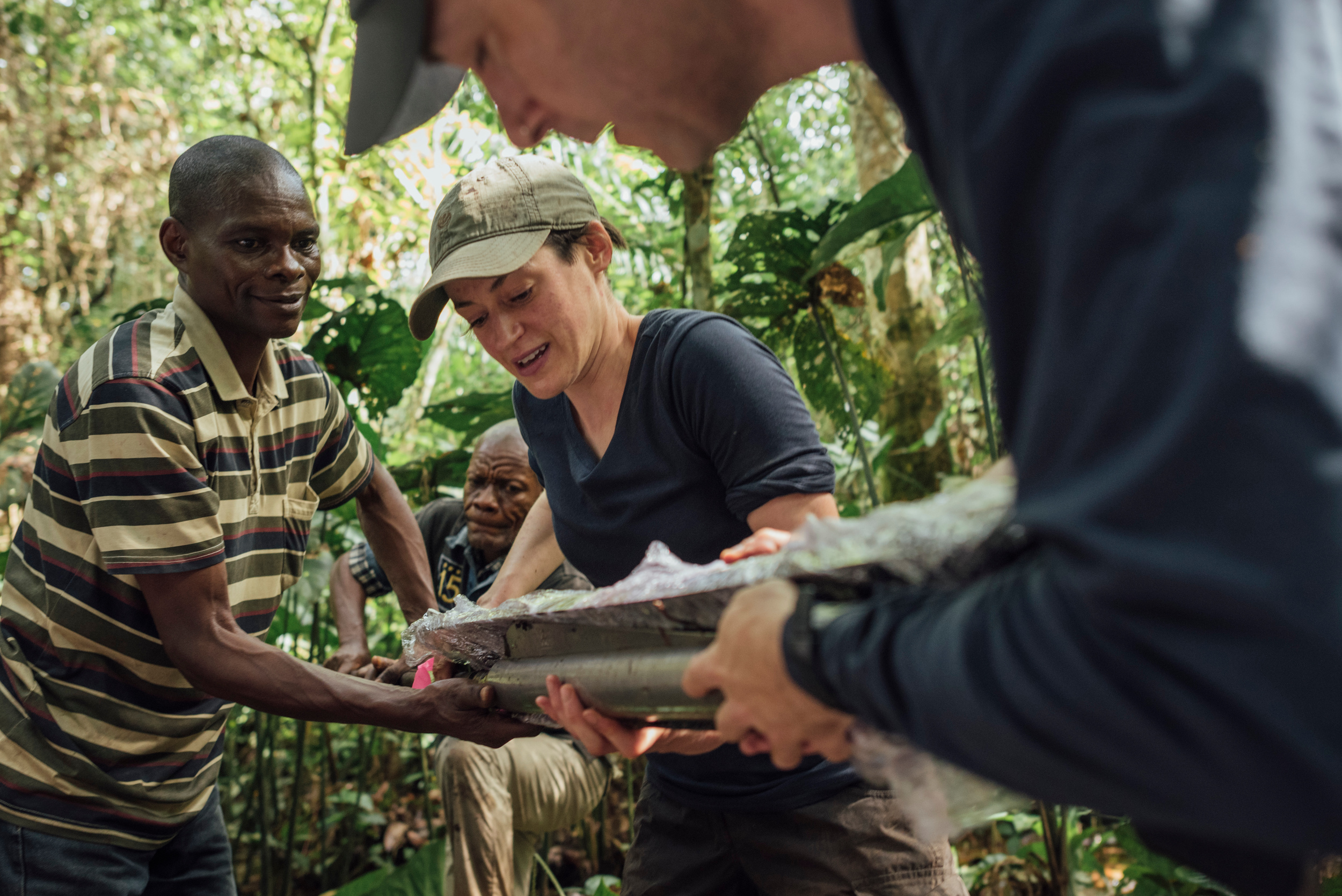
Investigate and expose
Our investigations provide research, evidence and intelligence about environmental crimes and their perpetrators to inform and enable our campaigns.

Communicate and confront
We make sure that our campaign demands are clearly heard by decision-makers like politicians and business leaders, and we ask them to translate these demands into real action that protects the environment.
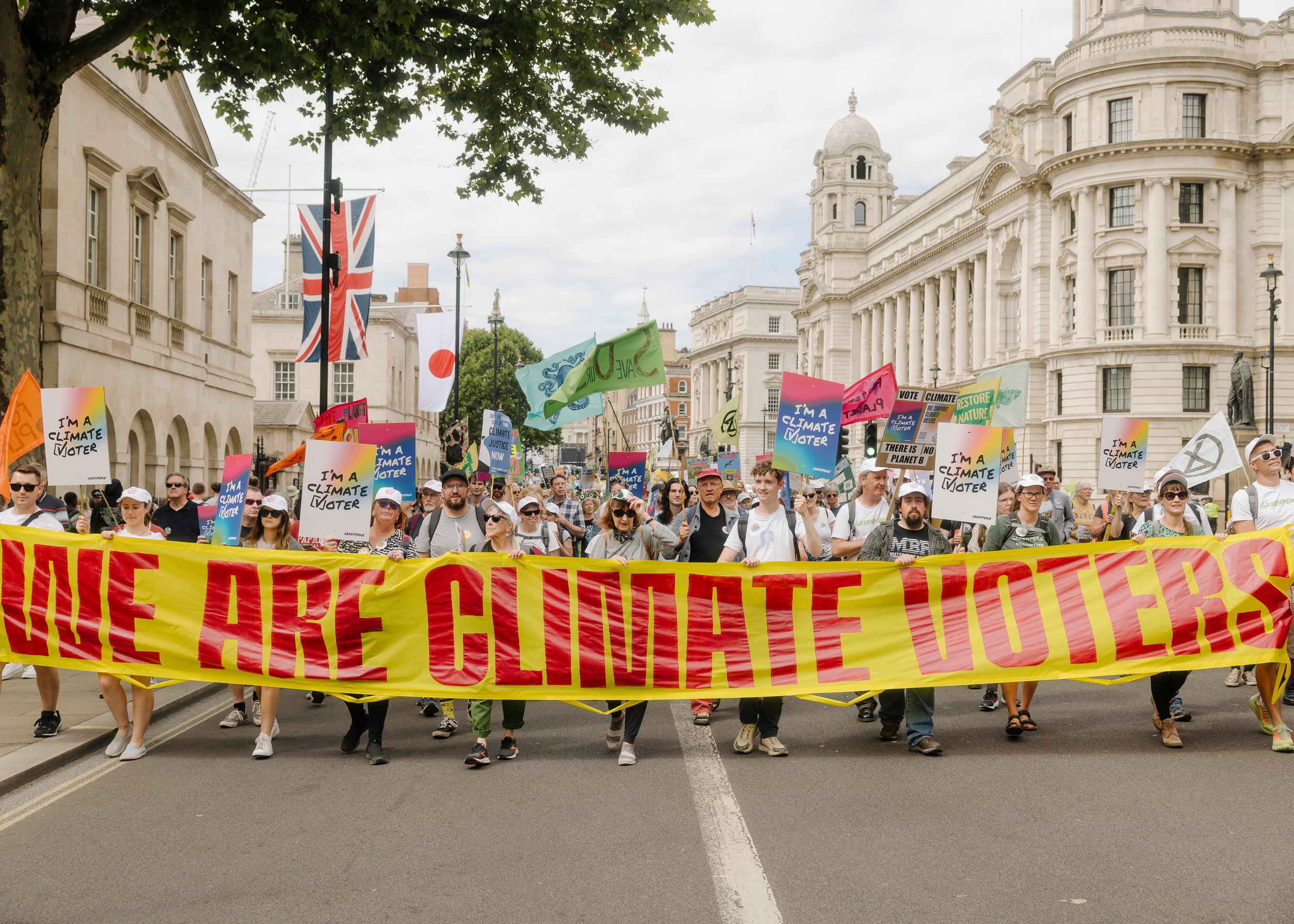
Mobilise millions
Our campaigns give people a chance to channel their love for our world into real action. Millions of people play a part in Greenpeace’s work, working together to demand a better world.

Take peaceful direct action
Guided by principles of non-violence and personal responsibility, Greenpeace activists intervene to stop environmental crimes, and use creative peaceful protests to demand action from those in power.
Help Greenpeace keep winning
For 50 years, we’ve changed the world, but nothing changes without you. Together, let’s keep the victories coming!